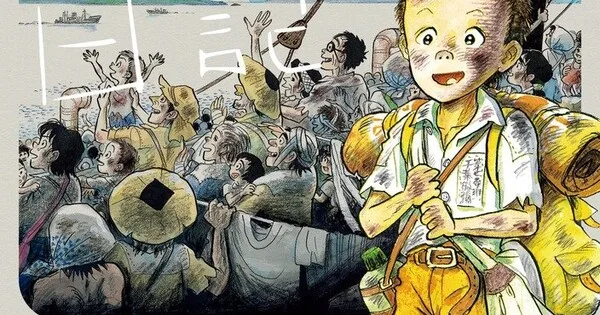
Tetsuya Chiba, the legendary manga creator whose seminal boxing series Ashita no Joe shaped generations of Japanese pop culture, passed away in a Tokyo hospital on October 22 due to myelodysplastic syndrome. He was 87 years old. Chiba had been navigating complex health issues in recent years, including coronary artery stent surgery in January 2022 and treatment for a throat tumor in late 2021, leading him to place his autobiographical essay manga Hinemosu Notari Nikki on hiatus in September 2024.
A Titan of Manga History
Born in Tokyo in 1939 and raised partly in northeastern China during his early childhood, Chiba made his debut as a professional manga artist in 1956 at just 17 years old. His career reached unmatched monumental stature with the publication of Ashita no Joe (written by Ikki Kajiwara under the pen name Asao Takamori) between 1968 and 1973 in Kodansha's Weekly Shonen Magazine. The series detailed the tragic, fierce pursuit of redemption by troubled youth Joe Yabuki, capturing the spirit of post-war Japan and establishing structural conventions for the sports genre that persist today.
The cultural influence of Ashita no Joe yielded two iconic television anime adaptations in 1970 and 1980, alongside two feature films. Decades later, the narrative was reimagined into the acclaimed cyberpunk series Megalobox in 2018 and its 2021 sequel Megalobox 2: Nomad by studio TMS Entertainment, both crediting Chiba's original work as their primary foundation. Kodansha launched the official English print publication, Ashita no Joe: Fighting for Tomorrow, in late 2024.
Recognized at the Highest Order
Chiba's contributions extended well beyond his drawing board. As chair of the Japan Cartoonists Association, he championed creator rights and the historical preservation of the medium. In 2022, Chiba and Yoshiharu Tsuge became the first manga creators nominated to the prestigious Japan Art Academy. Shortly before his passing in 2024, Chiba became the first mangaka in history to be honored with Japan's Order of Culture award, an distinction granted directly by the Emperor for outstanding cultural advancement.