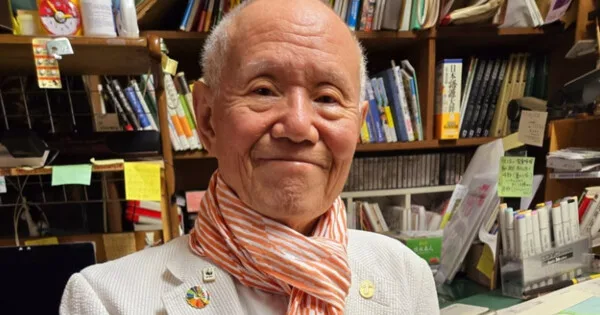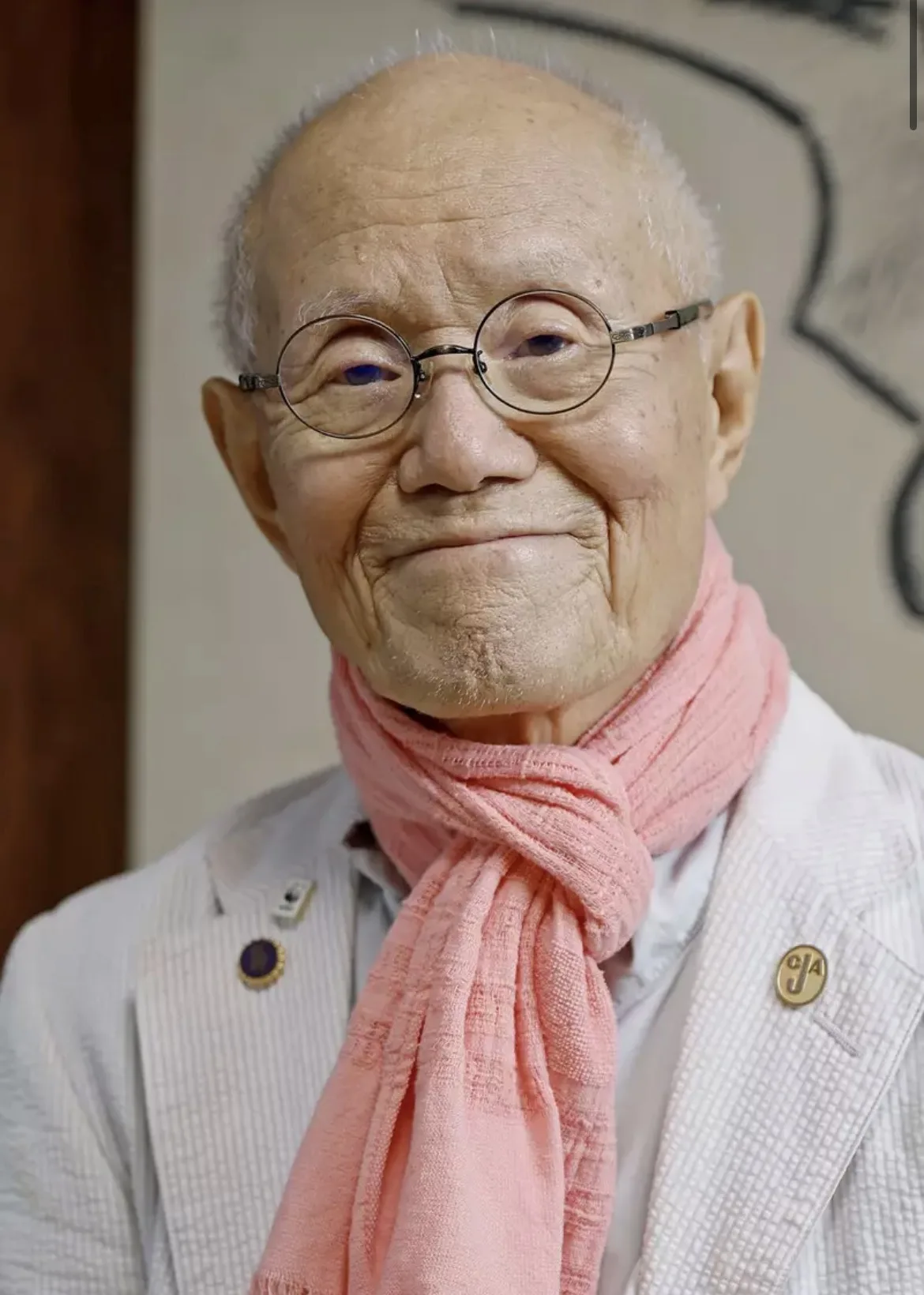
Legendary manga artist Tetsuya Chiba, widely celebrated for his definitive work on the iconic boxing epic Ashita no Joe alongside writer Ikki Kajiwara, passed away on October 27 at the age of 87. His career left an indelible mark on Japanese sequential art, bridging the postwar era with the golden age of weekly manga serialization.
Born in Tokyo in 1933, Chiba spent his early childhood in Manchuria before returning to Japan following the end of World War II. He made his professional manga debut in 1956 with Fukushuu no Semushi, quickly establishing a reputation for expressive character work and dynamic storytelling. In January 1967, he partnered with Ikki Kajiwara to launch Ashita no Joe in Kodansha's Weekly Shounen Magazine. The legendary sports drama followed the gritty journey of orphan protagonist Joe Yabuki and became a profound cultural touchstone, selling over 25 million copies and defining an entire generation of shonen storytelling.
A Monumental Legacy in Sports Manga
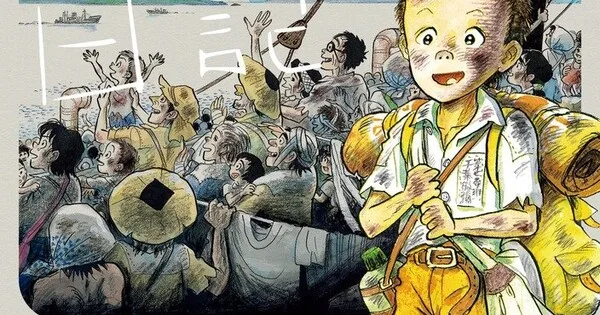
Beyond his defining work on Ashita no Joe, Chiba's creative output spanned multiple genres and decades. He authored the martial arts comedy Ore wa Teppei and simultaneously serialized the long-running sumo drama Notari Matsutarou in Shogakukan's Big Comic from 1973 to 1999. His later credits include the popular golf series Ashita Tenki ni Naare and his reflective autobiographical serialization, Hinemosu Notari Nikki, which began in 2015.
Throughout his celebrated career, Chiba received numerous prestigious accolades, including the Kodansha Culture Award, the Shogakukan Manga Award, and the Special Prize at the 22nd Tezuka Osamu Cultural Prize in 2018. His passing marks the end of an era for classic Japanese manga creators who shaped the medium into a global cultural phenomenon.