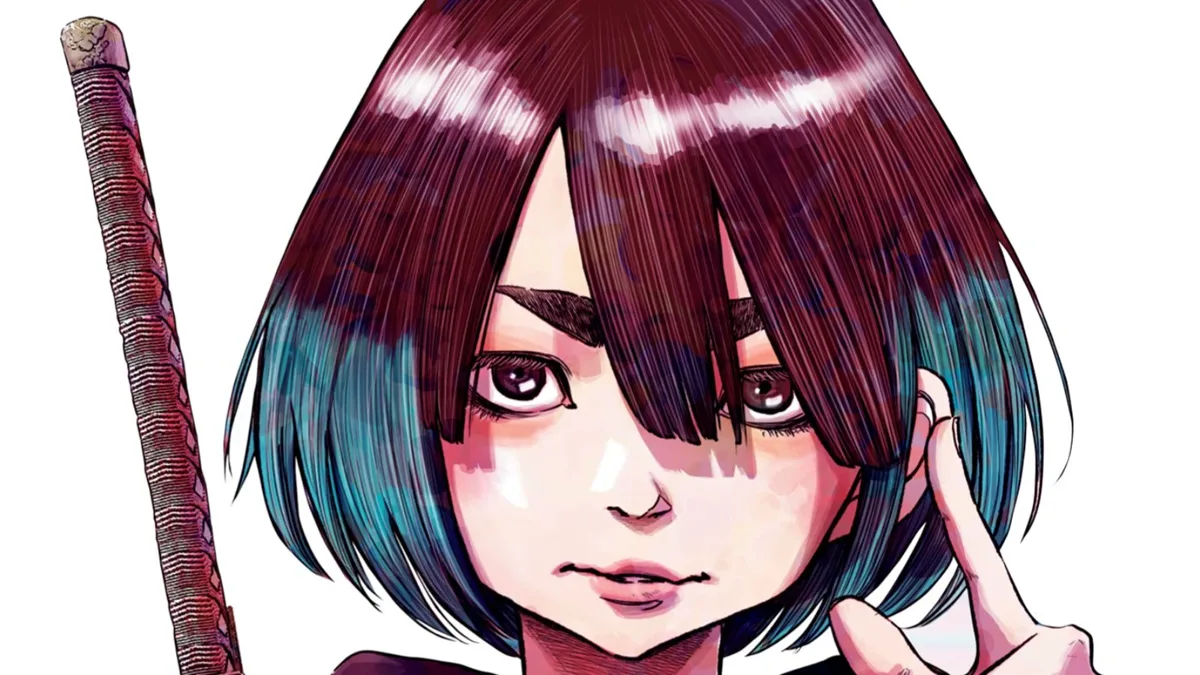
Inio Asano, the visionary creator behind the critically acclaimed psychological masterpiece Goodnight Punpun, has placed his current serialization Mujina Into the Deep on an unexpected hiatus. The prominent mangaka revealed that the production pause stems largely from rigid industry restrictions surrounding the use of generative artificial intelligence in professional manga creation.
Appearing on the Japanese talk show WEEKLY OCHIAI, Asano broke down his unconventional workflow, explaining that his creative process relies heavily on 3D modeling tools such as Blender and Unreal Engine. Rather than starting with a traditional script, the creator manually builds over ninety percent of the manga’s expansive urban environments first. He meticulously traces real-world locations—such as Tokyo's iconic Shimokitazawa district—to construct authentic architectural layouts before framing a single character interaction.
Workflow Evolution
This virtual architectural approach fundamentally altered the trajectory of Mujina Into the Deep, organically steering the project from a grounded narrative about a middle-aged protagonist into a high-octane parkour action series. However, maintaining this level of digital fidelity manually requires staggering amounts of time and labor.
According to Asano, integrating generative AI tools could dramatically accelerate this intensive environment-building stage. Yet, major publishing houses currently enforce strict bans preventing professional artists from utilizing these technologies due to lingering copyright ambiguities.
It’s a strange situation. You’re not allowed to use it precisely because you’re a professional.
Inio Asano, Mangaka
Rather than burning out under the immense pressure of manual 3D asset generation or compromising his vision, Asano chose to pause the series completely. The creator hopes that industry policies regarding AI assistance will evolve before the manga's anticipated return in 2027.
Beyond his immediate production struggles, Asano offered a broader philosophical perspective on the shifting creative landscape. He argued that generative algorithms are naturally suited for producing viral, algorithm-driven media, whereas human authors must instead double down on deeply personal, niche storytelling that machine learning cannot authentically replicate.
Asano’s frank admission highlights an escalating tension within the modern Japanese comic industry. The ongoing debate grows increasingly complex as publishers navigate the commercial realities of automated workflows alongside the preservation of traditional artistic integrity.