
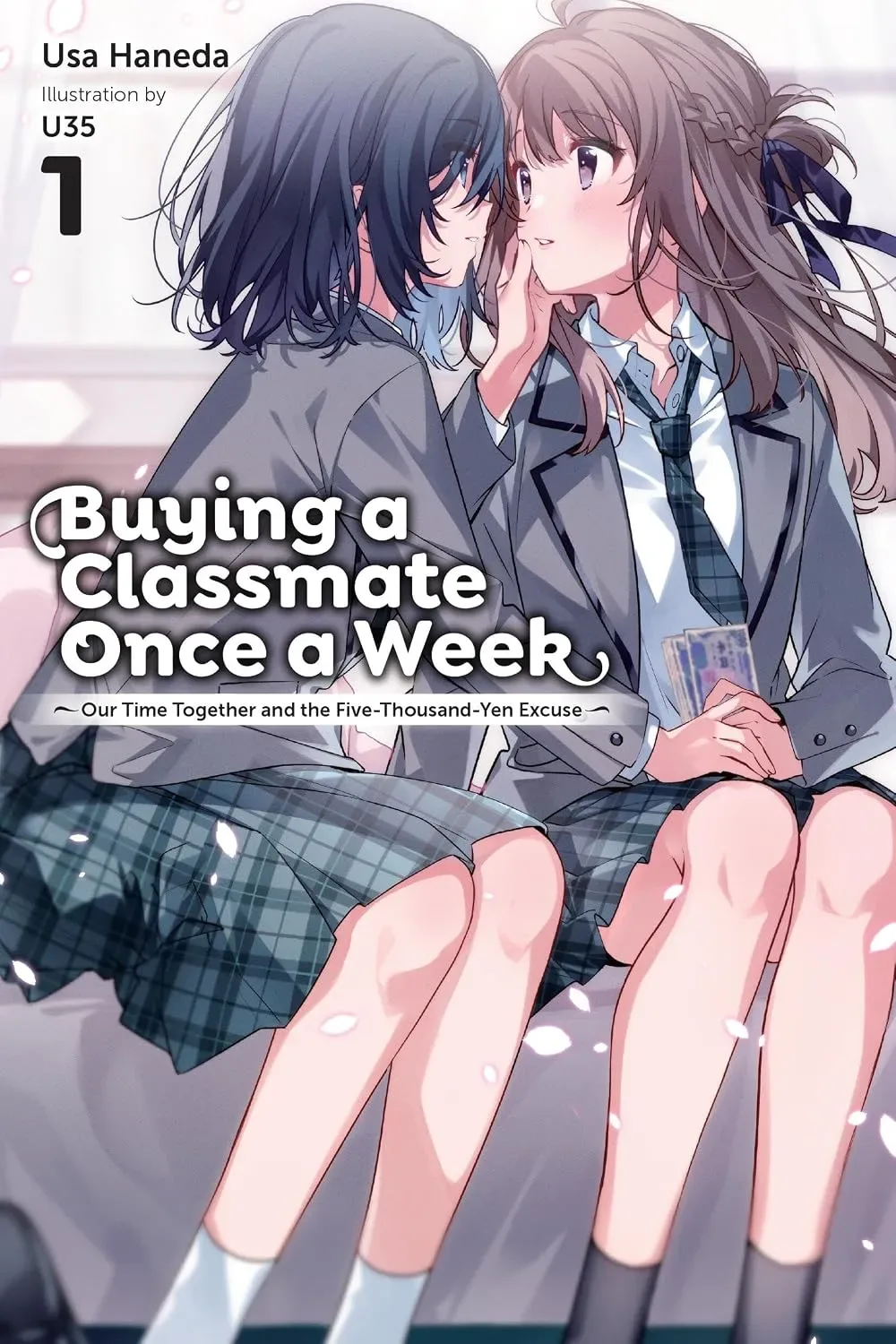
Following the official English publication of Buying A Classmate Once A Week: How to Spend 5,000 Yen (Shuu ni Ichido Classmate o Kau Hanashi, colloquially known as Shuukura), author Usa Haneda opened up about the creative impulses driving the acclaimed web novel turned commercial hit. The series explores the intricate dynamic between high schoolers Shiori Miyagi and Hazuki Sendai, rooted in isolation, domestic trauma, and an unorthodox weekly arrangement mediated by five thousand yen.
Constructing A Transactional Bond
Haneda began penning the narrative on web novel portal Kakuyomu out of personal creative frustration, operating under the philosophy that if a story you wish to read does not exist, you must write it yourself. While initially sketched as an accessible, lighter entry into girls' love fiction, the psychological gravity of the characters demanded a far more nuanced, friction-heavy trajectory.
For Buying A Classmate Once A Week, elements such as the title, giving orders, and buying a classmate’s time with money were established from the outset. I then considered why one girl would buy her classmate’s time and give her orders, and why the other would continue to have her time bought and given orders. This led to a story about two girls who are each missing something and gradually change through their influence on each other.
Usa Haneda, Author
The infamous initial command—demanding Sendai lick Miyagi's feet in exchange for five thousand yen—served as an intentional test of boundary and authority. Haneda noted that the payment amount was selected specifically because five thousand yen exists as a single physical banknote in Japan: an amount substantial enough to give a high schooler pause, but not so exorbitant that they would surrender absolute autonomy.