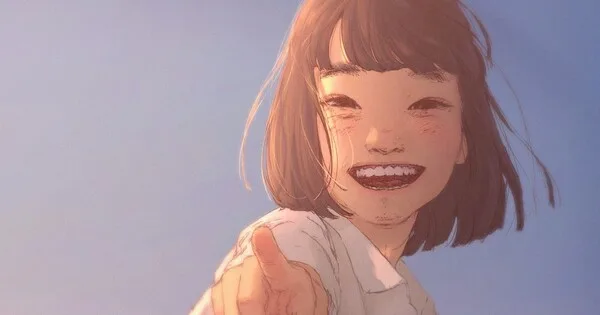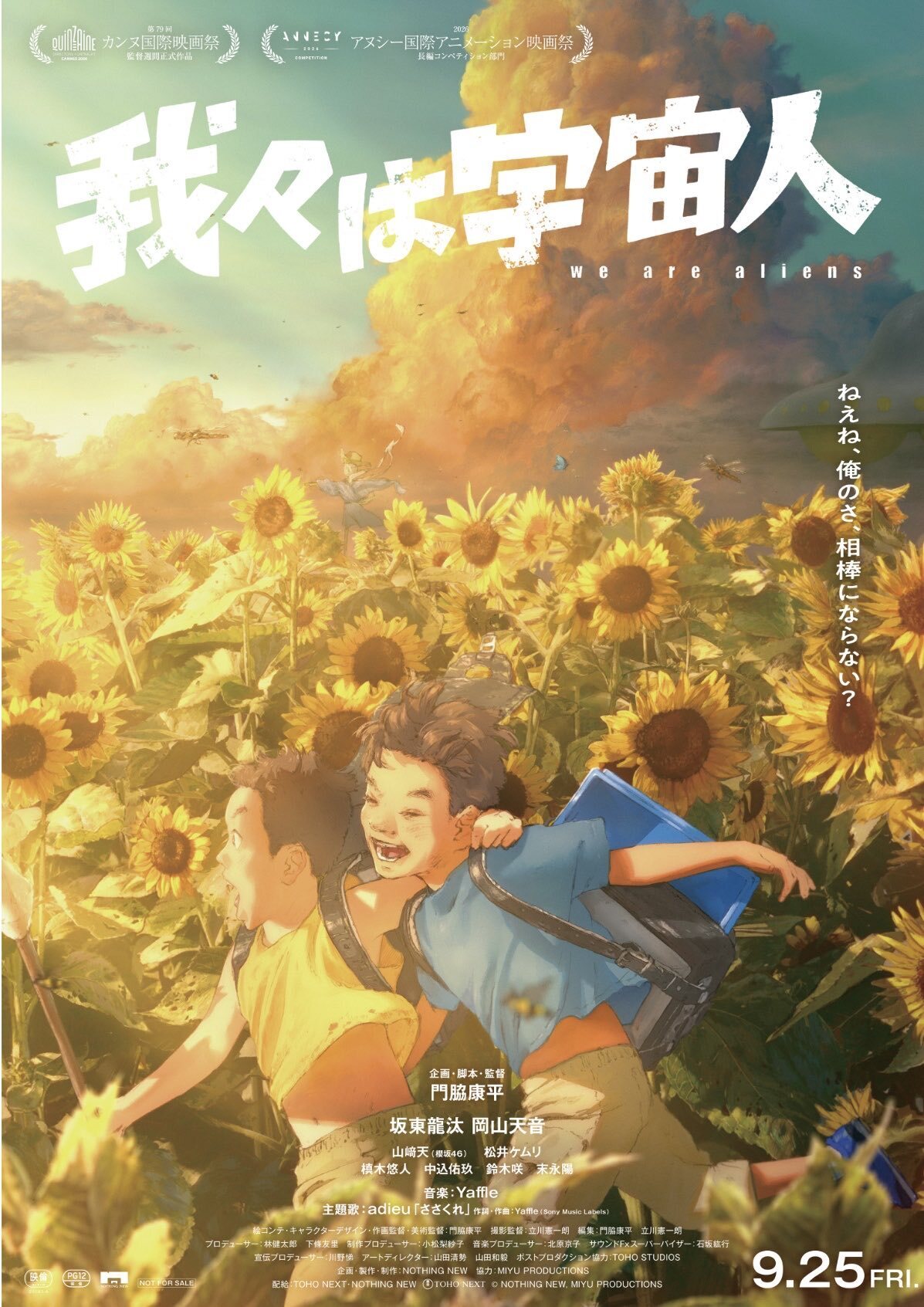
Independent and auteur-driven Japanese animation achieved a major international milestone this weekend. At the 50th Anniversary Awards Ceremony of the Ottawa International Animation Festival, three distinct cinematic and television projects triumphed across competitive categories, highlighting the global resonance of contemporary Japanese creators. Topping the accolades, NOTHING NEW and director Kōhei Kadowaki secured the Grand Prize for Animated Feature with their critically lauded film We Are Aliens (Ware Ware wa Uchūjin).
Kadowaki—widely recognized for his work on the second season's ending sequence of BEASTARS and music videos for YOASOBI—orchestrated nearly every major creative pillar of the feature, serving as planner, scriptwriter, director, storyboard artist, and editor. The production also benefited from the musical sensibilities of producer Yaffle and a cross-cultural collaboration with French studio Miyu Productions. Following competitive exhibition runs at Cannes' Directors' Fortnight, Annecy, and upcoming screenings at the Busan International Film Festival, this Grand Prize win firmly establishes the film as a standout work of modern auteur animation.
Festival Honors for Eri and Candy Caries
Joining the winner's circle in Canada, director Honami Yano earned the Best Animated Short Award for Eri. Adapted from Kasumi Asakura's 2008 novel Hoka ni Dare ga iru (Who Else is There?), the French-Japanese co-production explores a poignant narrative centered on dairy farming and forbidden affection.
In a world where dairy cows must bear calves to survive, Eri, a Holstein, falls in love with another cow. Her sighs linger through sleepless nights — will they find their way to the one she loves?
Honami Yano, Director
Meanwhile, in the television and young audiences domain, Tomoki Misato and Wit Studio captured a win in the Animation for Young Audiences 7+ Competition with their stop-motion series Candy Caries (Candy Caries). Originally conceptualized after Wit Studio established a dedicated stop-motion division in late 2020, the slapstick comedy utilizes a distinct semi-three-dimensional aesthetic crafted from plastic board and acrylic, bringing the bizarre relationship between a sweet-loving child named Ame and her anthropomorphic tooth decay to vibrant life.
The simultaneous recognition of We Are Aliens, Eri, and Candy Caries at the Ottawa International Animation Festival demonstrates the remarkable breadth of Japanese animation today—stretching seamlessly from avant-garde feature films to inventive artisanal short works and stop-motion television comedy.