Natanami//NEWS
All NewsAnnouncementsIndustryBox Office
Bluesky↗
Natanami//NEWS

Next-generation digital anime ecosystem: real-time industry scoops, release tracking, and global catalog.

All Systems Operational

Ecosystem

  • Streaming Hub↗

News & Media

  • Latest Stories
  • Industry Insights
  • Announcements
  • Editorial Board & Authors
  • Sitemap↗

Legal & Policy

  • About & Editorial Policy
  • Privacy Policy
  • Terms of Service
  • DMCA Notice

© 2026 Natanami. All rights reserved.

All anime artwork, key visuals, logos, and trademarks belong to their respective owners and licensors.

BlueskyTelegram
All NewsAnnouncementsIndustryBox Office
/
/

/
/

  1. Home
  2. News
  3. Wakako Mizuki's Itihasa Classic Manga Feature: 1986 Sci-Fi Fantasy Epic Explored
Anime Update

Wakako Mizuki's Itihasa Classic Manga Feature: 1986 Sci-Fi Fantasy Epic Explored

A retrospective look at Wakako Mizuki's 1986 mythic sci-fi manga Itihasa, examining its depiction of ancient gods, human faith, and its potential for modern animated adaptation.

Wakako Mizuki's Itihasa Classic Manga Feature: 1986 Sci-Fi Fantasy Epic Explored

Back to Feed

Published

October 23, 2026

2 min read

by

Natanami Editorial Team

Natanami Editorial Team

Newsroom & Research Desk

Source

animeanime.jp ↗by Anime! Anime! Japan

Related Franchise

Itihasa

Tags

SHOJOFANTASYSCI_FIINDUSTRY_NEWS
Impact Score4 / 10

Table of Contents

  • Duality of the Gods
  • Visual Beauty and Moral Ambiguity
  • A Timeless Mythic Canvas
Table of Contents
  • Duality of the Gods
  • Visual Beauty and Moral Ambiguity
  • A Timeless Mythic Canvas

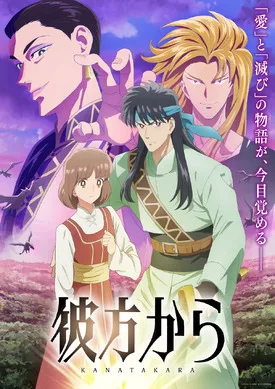
Amid the growing revival of seminal shojo classics—highlighted by television adaptations for Kyoko Hikawa's From Far Away and Chie Shinohara's Red River—the manga industry continues to re-examine foundational works from the late 20th century. Among these milestone creations, Wakako Mizuki's legendary manga series Itihasa stands out as an extraordinary blend of mythic lore and spec-fiction worldbuilding.

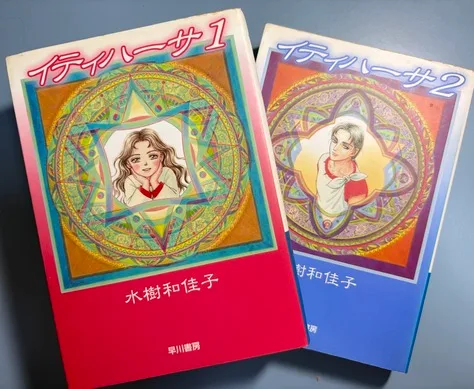
Serialized initially in the shojo magazine Bouquet starting in 1986 and concluding in 1999 across 15 tankobon volumes (later collected in 7 Hayakawa Bunko JA volumes), Itihasa transports readers 12,000 years into Japan's ancient past. The narrative constructs a grand historical chronicle surrounding an existential conflict between deities and humanity, posing fundamental questions about faith, salvation, and mortal agency.

Itihasa Manga Visual

Duality of the Gods

The story opens in a peaceful settlement during an era when humanity maintained direct contact with the unseen forces of the world. A young boy named Takano discovers an abandoned infant named Tooko, raising her as his sister alongside their intellectual mentor, Aohiko. Their tranquil existence shatters seven years later when violent worshippers of visible deities destroy their home, driving the survivors into a conflict that spans celestial and mortal realms.
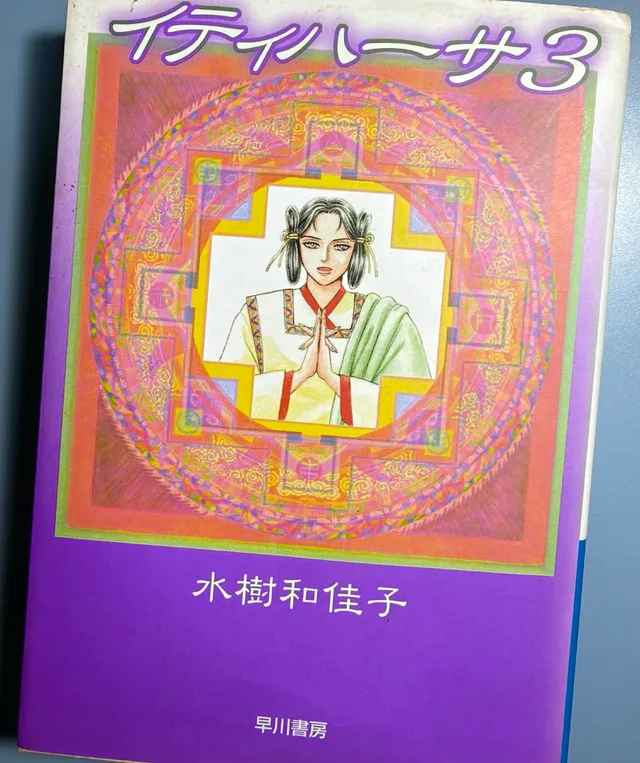
Itihasa Vol 3 Cover Featuring Aohiko
Hayakawa Bunko JA Volume 3 cover featuring Aohiko

At the heart of Mizuki's narrative lies the ideological clash between visible and invisible gods. Unlike conventional religious allegories where divine figures remain abstract, Itihasa presents physical deities who intervene directly in human affairs—often with destructive indifference. This conflict forces the central characters to confront whether devotion to tangible power offers genuine redemption or ultimate subjugation.

Visual Beauty and Moral Ambiguity

A defining artistic element of Itihasa is Mizuki's meticulous illustration of divine entities. Her character designs alternate between ethereal elegance and terrifying majesty, forcing readers to examine how physical appearance shapes perception and devotion.
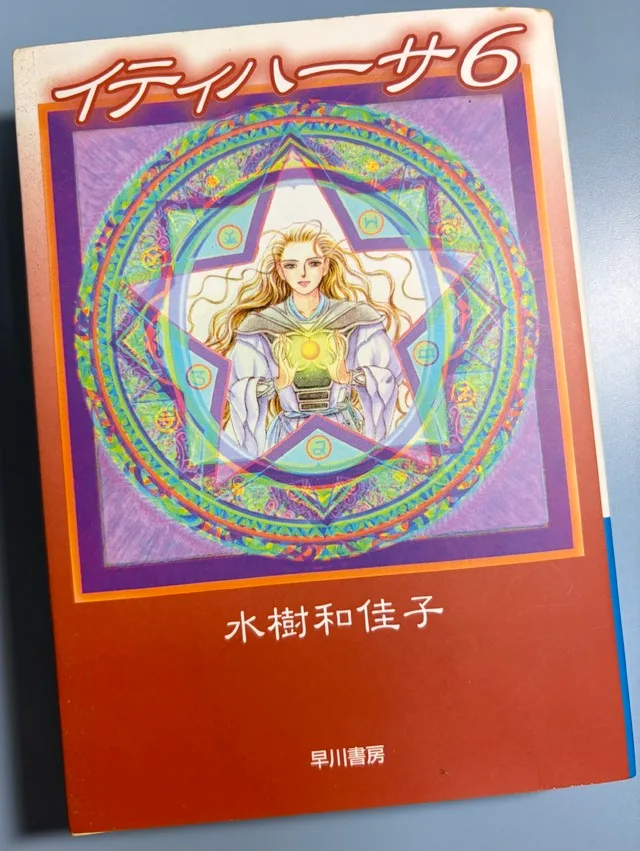
Itihasa Vol 6 Cover
Hayakawa Bunko JA Volume 6 cover illustration

As Takano seeks power to protect Tooko and Aohiko struggles with the morality of conflict, the boundary between hero and adversary bluring. Tooko's emerging destiny reveals that the war among gods is far more complex than a simple battle between good and evil.
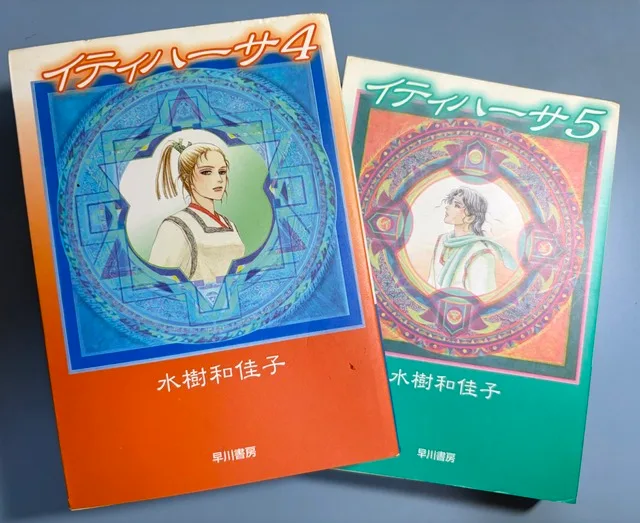
Itihasa Character Visual
Hayakawa Bunko JA Volume 6 cover featuring Katsura and Nachi

A Timeless Mythic Canvas

Though created across the 1980s and 1990s, the thematic core of Itihasa—authority, belief, and the consequences of human choice—remains strikingly relevant to contemporary readers. Mizuki combined shojo character drama with intricate speculative mythology to produce a narrative scale rarely seen in the demographic.
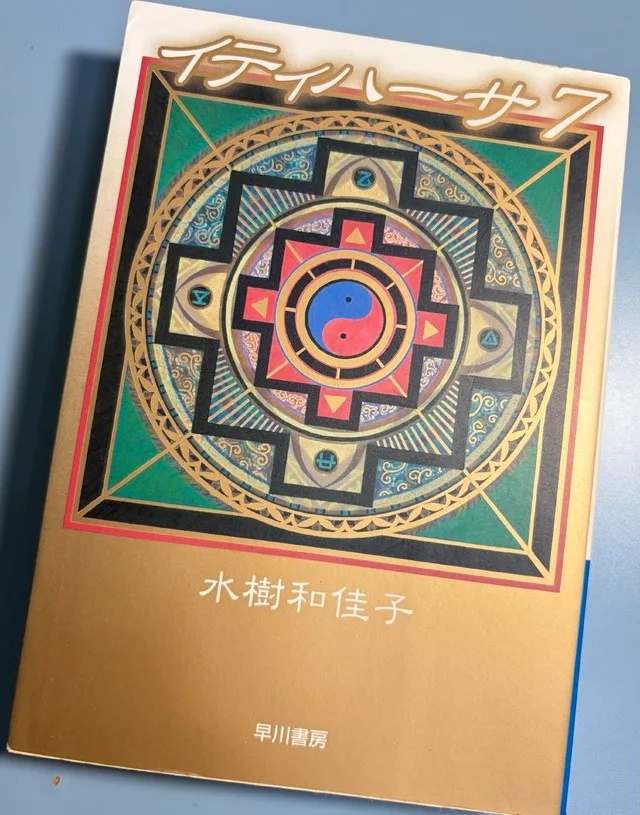
Itihasa Manga Cover Art

With vintage shojo properties gaining renewed appreciation across modern media formats, Itihasa stands as a premier candidate for modern artistic re-discovery, leaving fans hopeful that this ancient epic might one day find new life through an animated adaptation.
Related Stories

Classic Shojo Manga Legends 2026: Major Anime Adaptations, Exhibitions, and Anniversary Events Announced
Industry Insight

Classic Shojo Manga Legends 2026: Major Anime Adaptations, Exhibitions, and Anniversary Events Announced

Showa and Heisei shojo manga masterpieces are experiencing a major cultural resurgence in 2026, featuring new TV anime adaptations for From Far Away and Red River, a live-action series for Please Save My Earth, and landmark art exhibitions.

Oct 23, 2026
Kanata Kara Anime Theme Song Interview: Genjibu Discuss Opening Track 'Tokoukou'
Kanata Kara

Kanata Kara Anime Theme Song Interview: Genjibu Discuss Opening Track 'Tokoukou'

Genin wa Jibun ni Aru. vocalists Kohsaku Koizumi and Kaname Yoshizawa break down the nostalgic depth and vocal arrangements behind 'Tokoukou', the opening theme for the Kanata Kara anime adaptation.

Oct 12, 2026
Kanata Kara (From Far Away) Anime October 2026 Premiere: Studio Deen Adaptation Trailer, Staff & Cast Revealed
Kanata Kara

Kanata Kara (From Far Away) Anime October 2026 Premiere: Studio Deen Adaptation Trailer, Staff & Cast Revealed

Kyoko Hikawa's classic shojo isekai manga 'Kanata Kara' makes its long-awaited anime debut, directed by Noriyuki Abe at Studio Deen.

Oct 9, 2026
Back to Feed