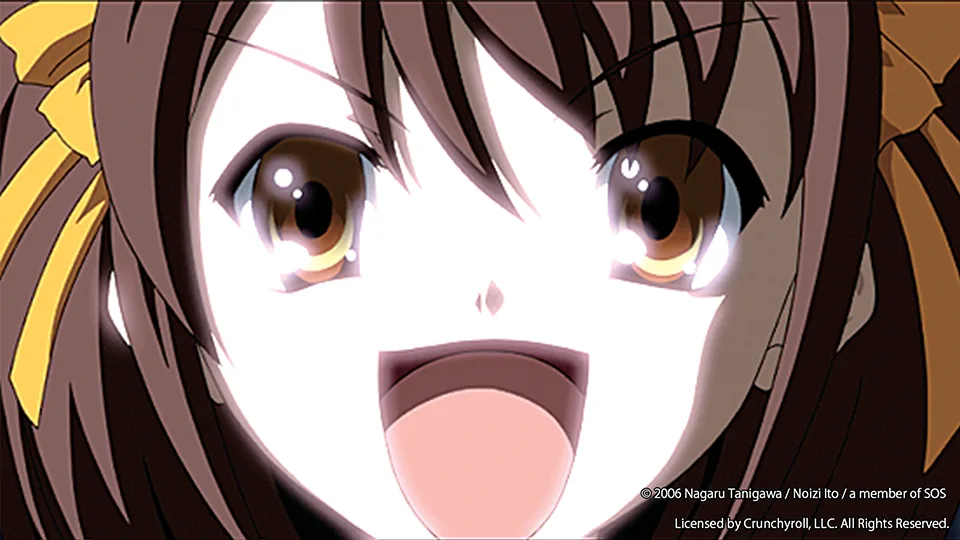
The Melancholy of Haruhi Suzumiya was an absolute phenomenon when it debuted in 2006, captivating audiences with its meta-narrative, unforgettable characters, and a willingness to embrace narrative gimmicks. Yet, its most enduring cultural footprint remains its iconic ending sequence, set to the infectious rhythm of "Hare Hare Yukai." Fans famously took the choreography out of the television screen and into the real world, reenacting the synchronized dance in public spaces like the bustling streets of Akihabara. This blend of playful character expression and interactive choreography transformed anime credits from passive bookends into participatory cultural touchstones.
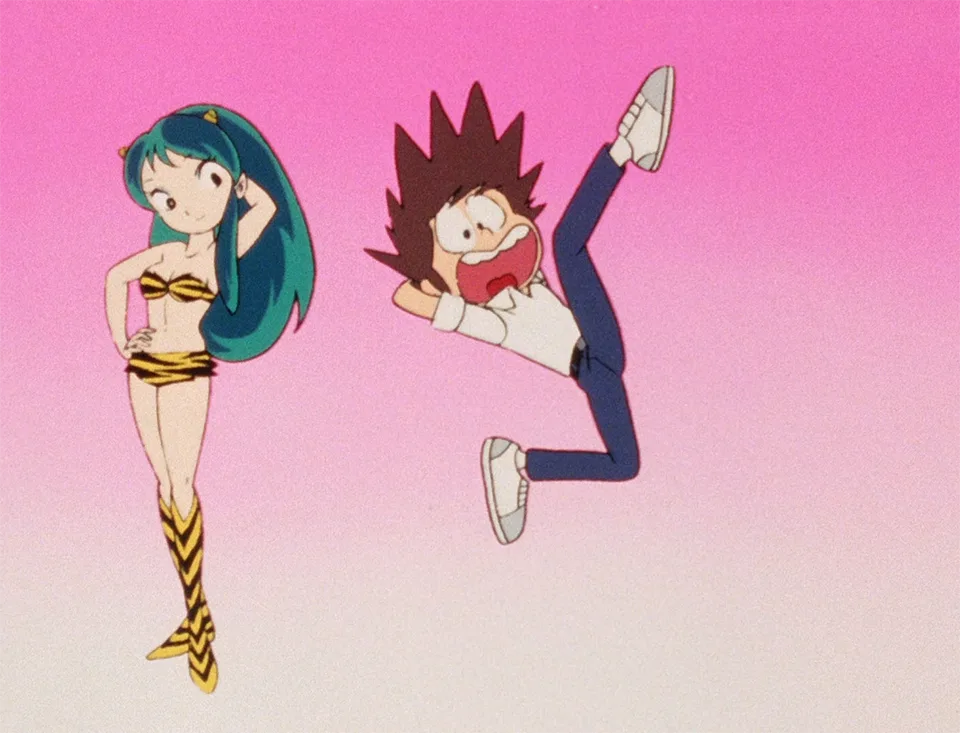
Tracing the genealogy of anime dance sequences reveals that studios were experimenting with physical movement long before Haruhi redefined the medium. Early 1970s classics like Heidi, Girl of the Alps and The Gutsy Frog incorporated simple, charming interludes of characters holding hands or dancing. However, the modern language of credits choreography truly took root in the 1980s. Series like Urusei Yatsura leaned heavily into Tokyo's thriving jazz fusion and pop music scene, utilizing memorable themes composed by artists like Izumi Kobayashi to establish character dynamics and narrative premises through movement.
As decades progressed, animation studios elevated these sequences into sophisticated artistic showcases and affectionate nods to pop culture. From the Broadway-inspired flair of Hana Yori Dango to the surprising, high-energy variety show antics in Death Parade, dance became a vital shorthand for personality. Shows like Stars Align utilized modern internet choreography to capture the distinct attitudes of a middle school cast, proving that physical movement could communicate teenage angst, enthusiasm, or apathy far more efficiently than exposition ever could.
Crucially, many of these sequences rely on "furicopy"—the Japanese fan phenomenon of learning and replicating idol choreography. Early examples like 1997's Kodocha laid the groundwork by offering clear, accessible steps designed for imitation at home, a tradition proudly carried forward by children's mainstays like Pretty Cure! and Pokémon. Even parodies like Kill Me Baby playfully push against the boundaries of what is physically possible for human viewers, while internet memes born from visual novels like Popotan demonstrate how easily animated movement can ripple across global digital spaces.
Ultimately, the enduring appeal of dance in animation reflects the fundamental nature of fandom itself. When viewers watch characters move with unbridled joy, rhythm, and style, it triggers an innate human urge to participate, adapt, and create. Whether through viral YouTube flash mobs or generations of animators inspired by iconic sequences like Overman King Gainer, dance remains a vital bridge connecting creators, fans, and the animated worlds they cherish.