To mark Space Day in Japan—celebrating astronaut Mamoru Mohri's historic space shuttle flight in 1992—the digital publication Anime! Anime! published the results of its annual reader survey dedicated to the best science-fiction anime. Spanning visionary mecha masterpieces, existential space operas, and hard sci-fi investigations, the poll captured the enduring dominance of classic space epics among both veteran enthusiasts and younger demographics.
The Titans of the Cosmos Take the Crown
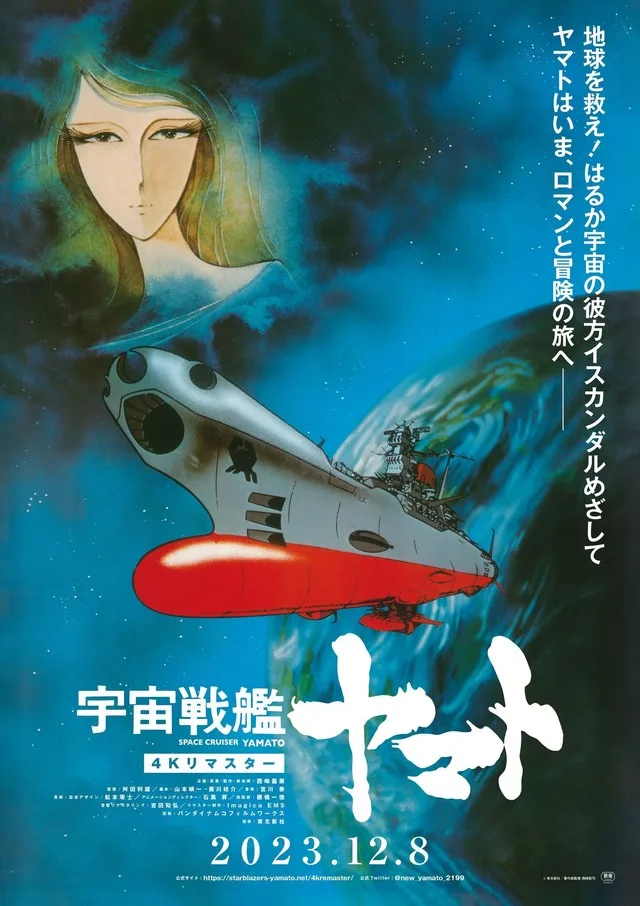
Claiming the number one spot with roughly 37 percent of the total vote is Yoshinobu Nishizaki and Leiji Matsumoto's legendary Space Battleship Yamato (Uchuu Senkan Yamato). First broadcast in 1974, the seminal series redefined animation that had previously been pigeonholed as strictly children's television. Respondents praised its rich orchestral score by Hiroshi Miyagawa, meticulous mechanical design, and the emotional resonance of characters like Susumu Kodai and Captain Okita.
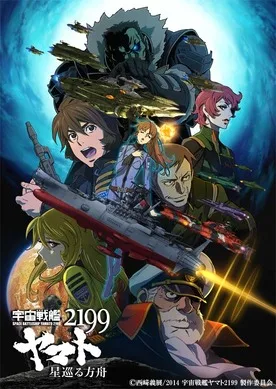
Securing the second position is Space Battleship Yamato 2199, the acclaimed 2012 theatrical remake overseen by chief director Yutaka Izubuchi. Fans lauded the production's rigorous astronomical and naval research, enhanced tactical space battles, and modernization of a 40-year-old narrative for contemporary audiences. Meanwhile, Yoshiki Tanaka's monumental space opera Legend of the Galactic Heroes (Ginga Eiyuu Densetsu) rounded out the top three, celebrated for its sprawling political intrigue and the ideological clash between Reinhard von Lohengramm and Yang Wen-li.
Tradition Meets Modern Innovation
The wider top ten rankings demonstrated a profound reverence for foundational sci-fi pillars, alongside entries from contemporary franchises. Other notable titles appearing in the upper echelon included Mobile Suit Gundam, Yamato Rebirth 3199, Gintama, and The Melancholy of Haruhi Suzumiya. Survey participants highlighted how enduring franchises continue to bridge generational divides through ambitious storytelling and technical craftsmanship.
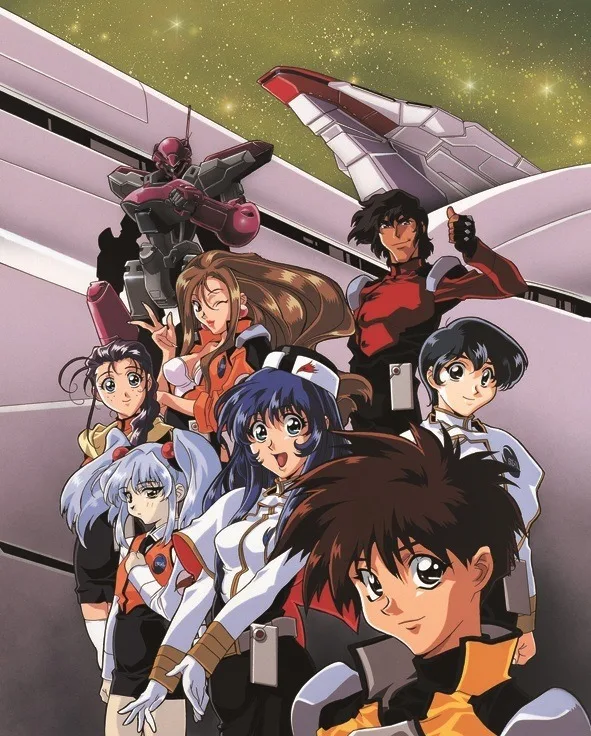

As studios continue to revisit these universes—with upcoming theatrical projects in the Yamato pipeline and anniversary retrospectives—the appeal of the cosmos in Japanese animation remains as vital as ever.