Japanese name conventions have always provided a fascinating linguistic playground for anime creators, often utilizing rare kanji, archaic vocabulary, or completely unique readings tied to traditional folklore and seasonal shifts. In celebration of Surname Day in Japan, the pop-culture outlet Anime! Anime! conducted a reader survey asking fans to vote on the anime characters whose family names are the hardest to read on the first attempt.
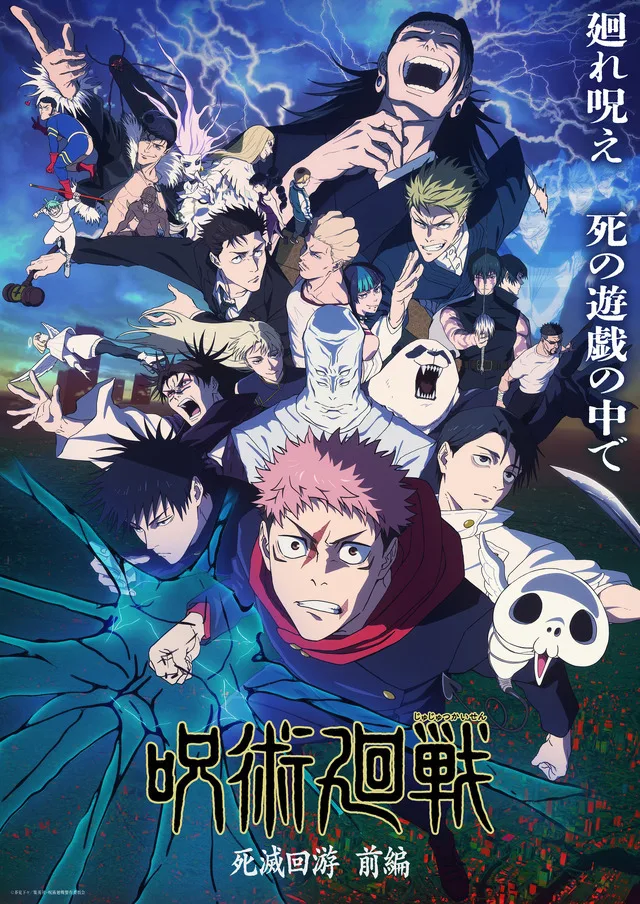
Gathering over 260 responses from a predominantly young demographic, the resulting ranking highlights how profoundly linguistic complexity and seasonal symbolism can leave a lasting impression on viewers. Taking the crown at the number one spot is Yuji Itadori from Jujutsu Kaisen. While casual viewers might stumble over the pronunciation of 'Itadori' (虎杖), the surname actually refers to the Japanese knotweed, whose spotted stems resemble tiger patterns. Respondents noted their initial confusion before learning that it represents a genuine, albeit rare, Japanese family name.
Securing the second position is Kimihiro Watanuki from CLAMP’s classic supernatural series xxxHOLiC. Written with the kanji for April 1 ('四月一日'), the surname is pronounced 'Watanuki'—derived from an ancient lunar calendar custom where people removed the cotton padding from their garments at the start of the fourth month. Fans reflected on how the unique reading puzzled audiences when the manga first launched in the early 2000s, cementing its status as an iconic piece of anime trivia.

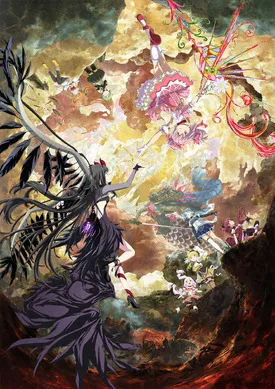
Rounding out the top three is Kanao Tsuyuri from Demon Slayer: Kimetsu no Yaiba. The character's surname uses three extremely common individual kanji—chestnut, flower, and drop—yet combined, they produce the elusive reading 'Tsuyuri', linked traditionally to the onset of the rainy season when chestnut blossoms fall to the ground. Other notable entries across the top ten include Suguru Geto from Jujutsu Kaisen, Kaminome Madoka from Puella Magi Madoka Magica, and Sasara Nurude from Hypnosismic, proving that memorable character nomenclature often relies on linguistic puzzles that linger in the audience's memory long after the credits roll.