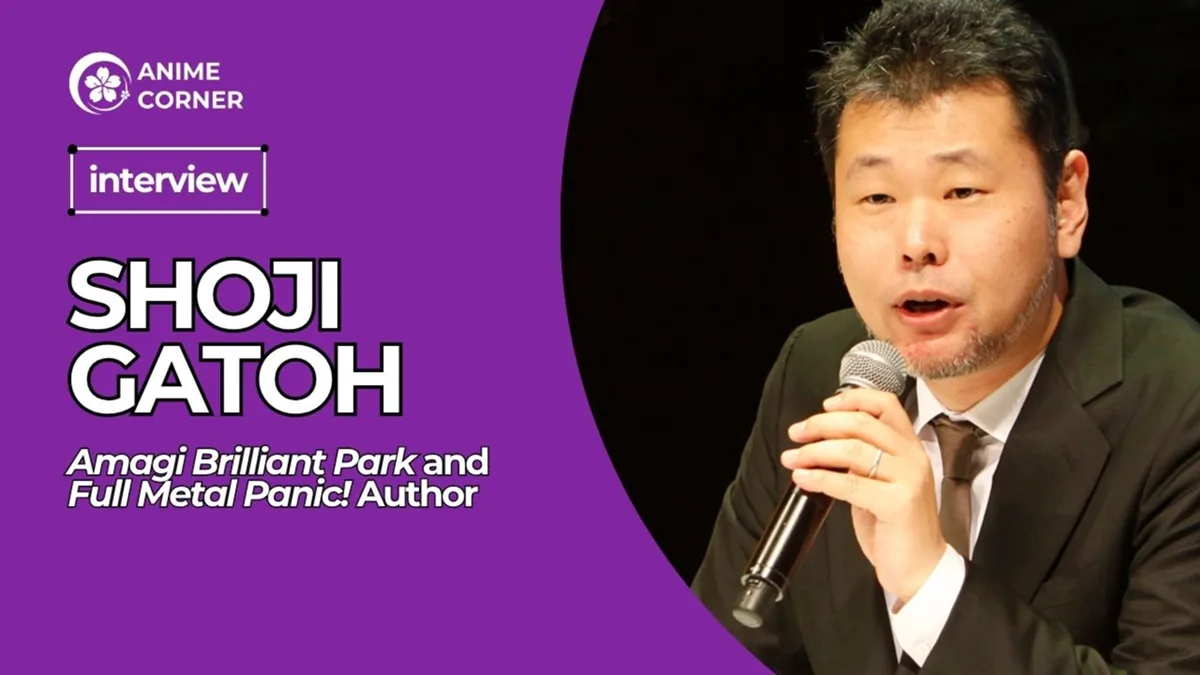
Veteran light novel author and screenwriter Shoji Gatoh shared rare insights into his creative process during an appearance at Japan Expo Paris. Best known internationally for the military mecha landmark Full Metal Panic! and the whimsical comedy Amagi Brilliant Park, Gatoh offered a candid look back at his storied career, character design quirks, and his ongoing projects under KADOKAWA's Fantasia Bunko imprint.
Park Mascots and Hip-Hop Nods
Addressing the inspiration behind Amagi Brilliant Park, Gatoh noted that nostalgic visits to vintage Japanese amusement hubs—most notably Tokyo's former Toshimaen park—shaped the rundown setting. The series' distinctive cast names famously pay homage to American hip-hop icons like Kanye West, 50 Cent, and Queen Latifah.
My inspiration came from CDs I had at home. It was the kind of music I listened to every day, including James Brown and Ice Cube. At that time I didn't expect Amagi Brilliant Park to be read by people outside of Japan.
Shoji Gatoh
When asked about the beloved 2014 anime adaptation produced by Kyoto Animation, Gatoh highlighted his close rapport with late director Yasuhiro Takemoto. Trusting the studio's technical prowess, Gatoh gave the team full creative freedom, praising their visual execution of the chaotic park environment and its fairy mascots Moffle, Macaron, and Tiramy—whom he confessed were the true driving force behind writing the novels.
Mecha Legacies and Future Frontiers
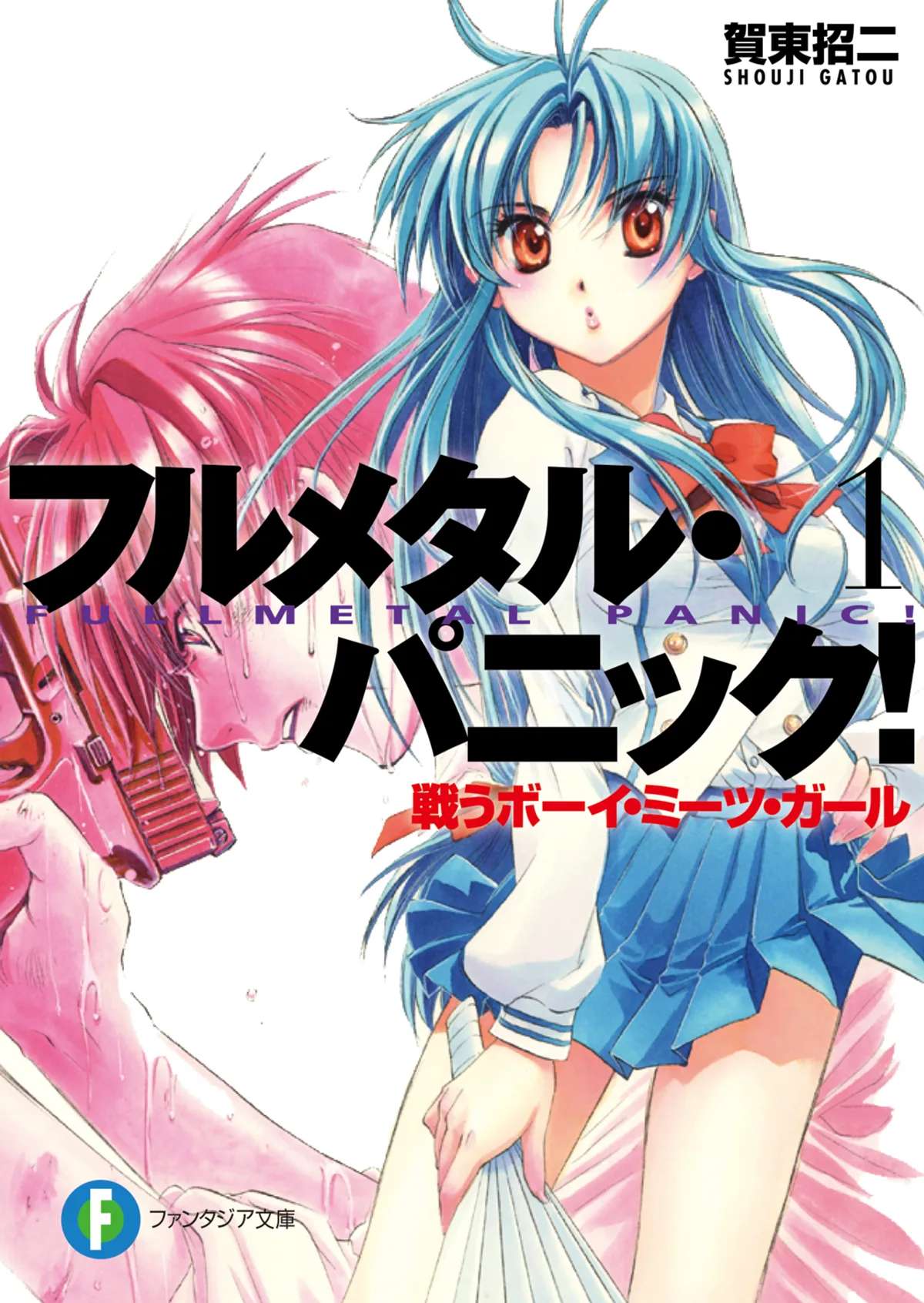
Turning to military sci-fi staple Full Metal Panic!, Gatoh touched on the origins of the franchise's proprietary "Black Technology" lore and his narrative balance between high-stakes combat and romantic comedy. The creator also touched upon Full Metal Panic! Family, a sequel set two decades after the original conclusion that originated as a simple 25th-anniversary commemorative short story before ballooning into a full-fledged serialized continuation.
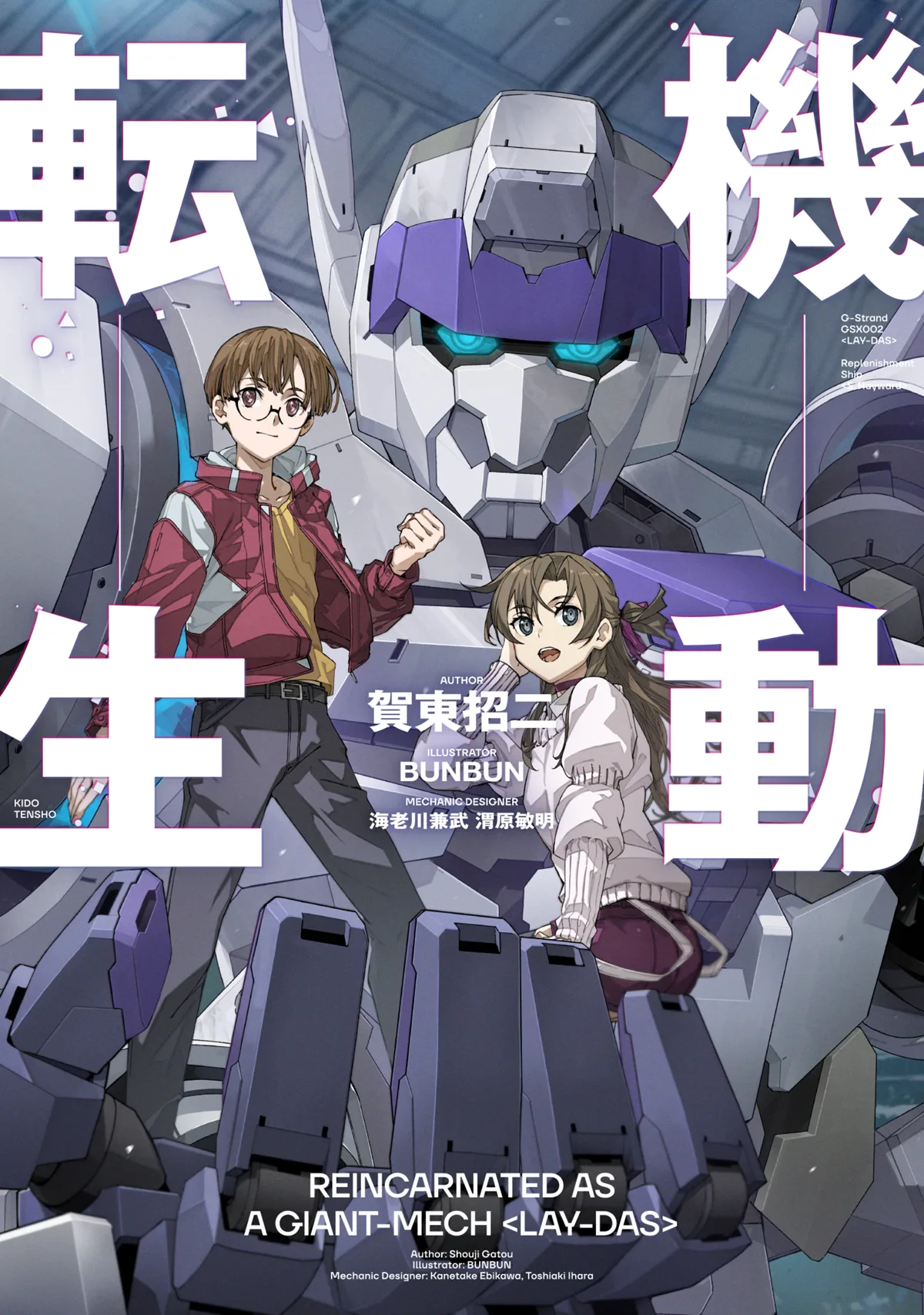
Gatoh is currently penning the isekai mecha series Reincarnated as a Giant-Mech (Kidou Tensei). When reflecting on personal inspirations and favorites among modern media, he cited Western thriller novelists Stephen Hunter and Andy Weir, alongside studio Trigger's anime production Cyberpunk: Edgerunners.