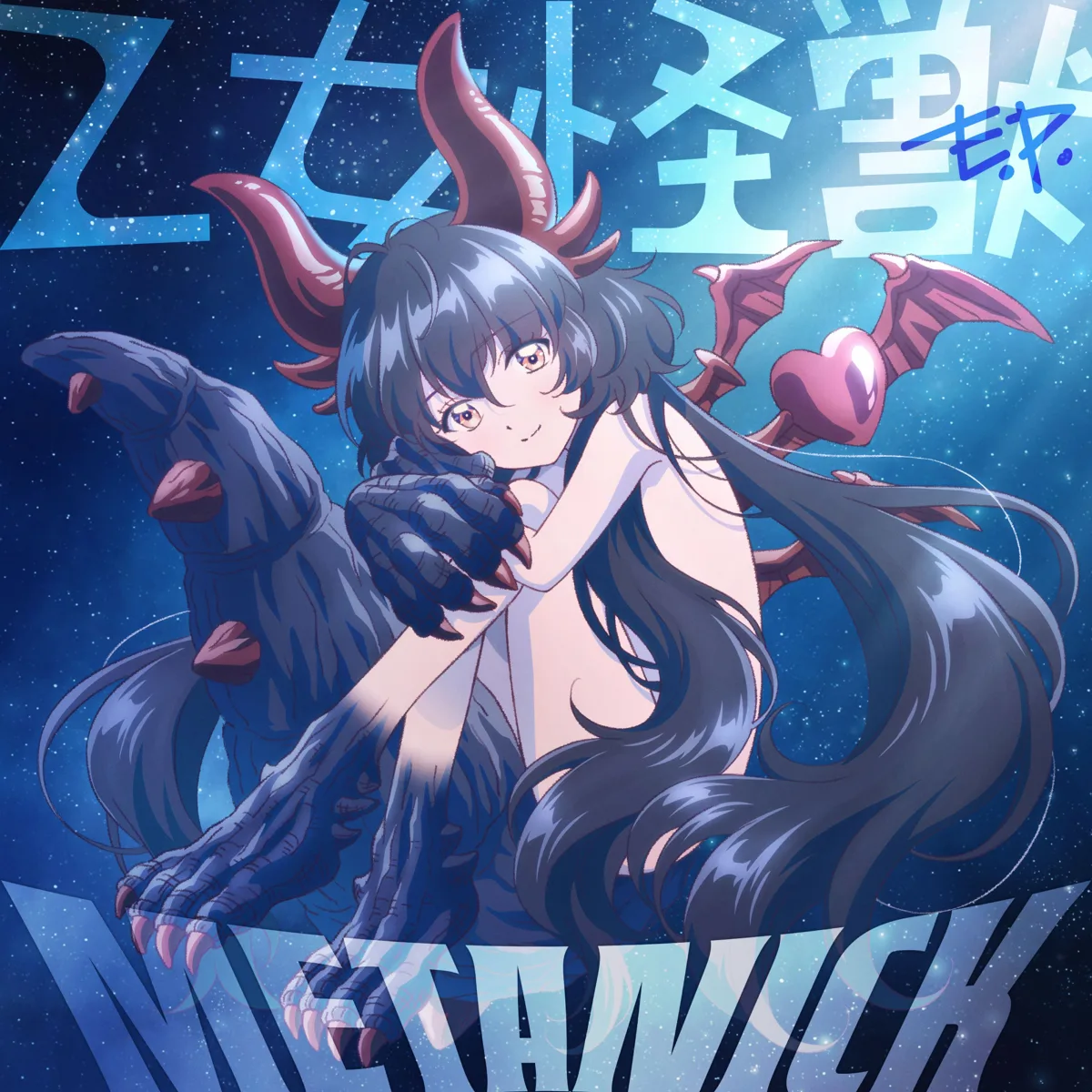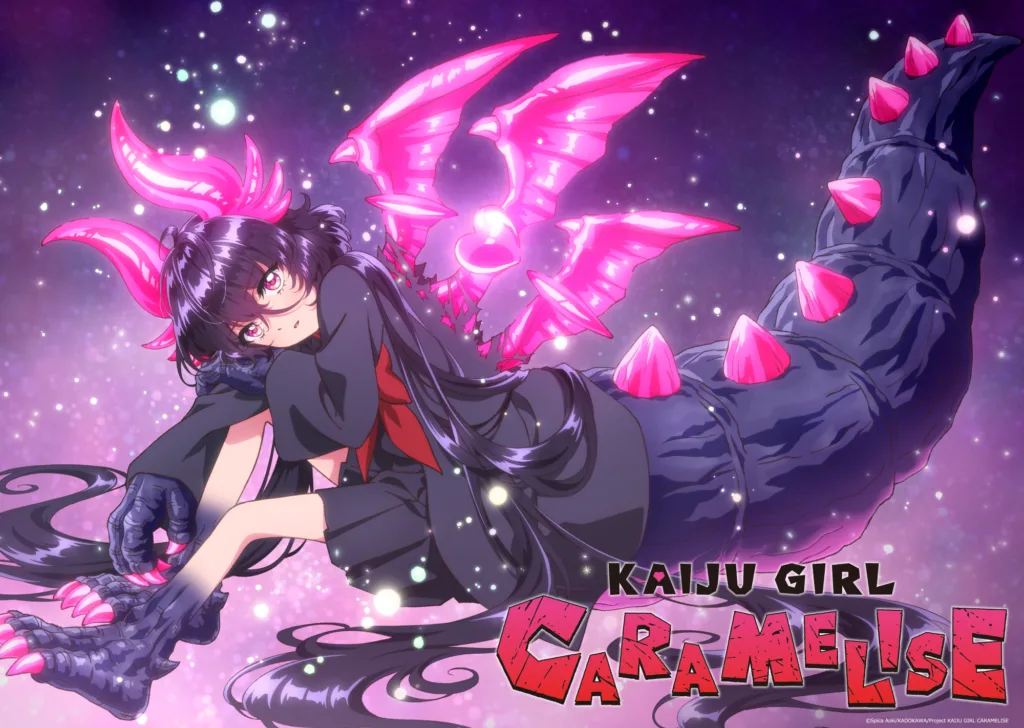
When manga author Spica Aoki first pitched a story about a high school girl whose budding romantic feelings literally turn her into a city-leveling monster, she was sitting in a restaurant overlooking the Sumida River in Tokyo—an iconic backdrop frequented by cinematic behemoths. That impromptu spark evolved into Kaiju Girl Caramelise (Otome Kaiju Caramelise), a distinctive cross-pollination of classic tokusatsu monster tropes and delicate shojo romantic comedy.
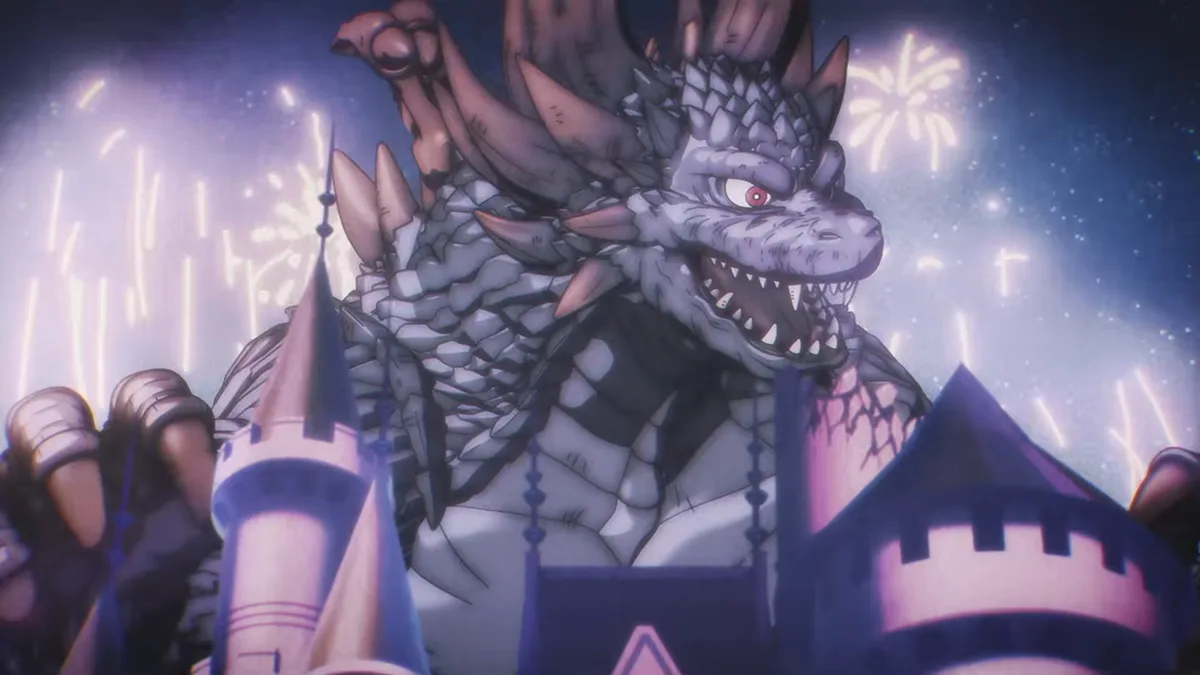
Tokusatsu Meets Shojo
Attending AnimagiC in Germany for her first European convention appearance, Aoki discussed the long path toward seeing her work animated on television. Having debuted professionally in 2011, the author endured several short-lived serializations before Kuroe Akaishi’s story broke through. For the anime adaptation, Aoki embedded herself directly into pre-production, sitting through script conferences, scrutinizing character sheets, and attending voice actor auditions.
Usually, the characters only move and speak in my head, so seeing that become a reality was incredible. I also saw how many people were working on the production, which I am very grateful for.
Spica Aoki
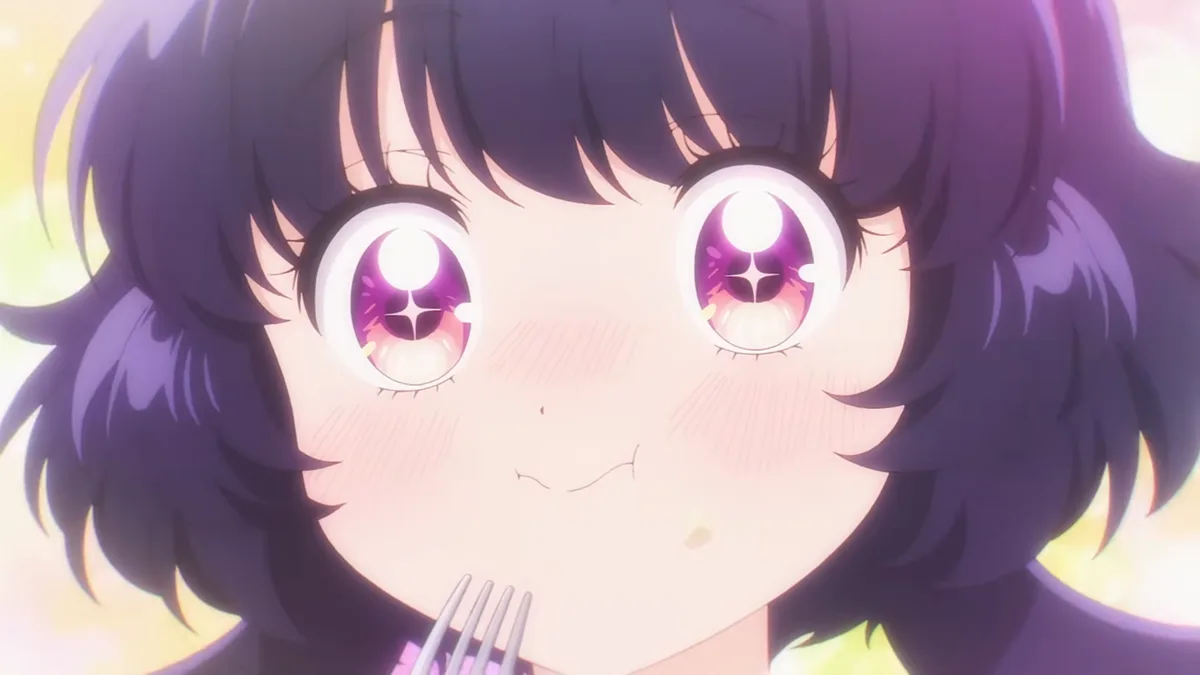
The tonal friction between awkward adolescent romance and massive kaiju rampages forms the core of the series. Aoki approaches this balance with an artistic principle of sharp visual opposites: maintaining absolute cuteness for Kuroe’s human moments while rendering her kaiju alter-ego, Harugon, with pure scale and edge.
The Monster Within
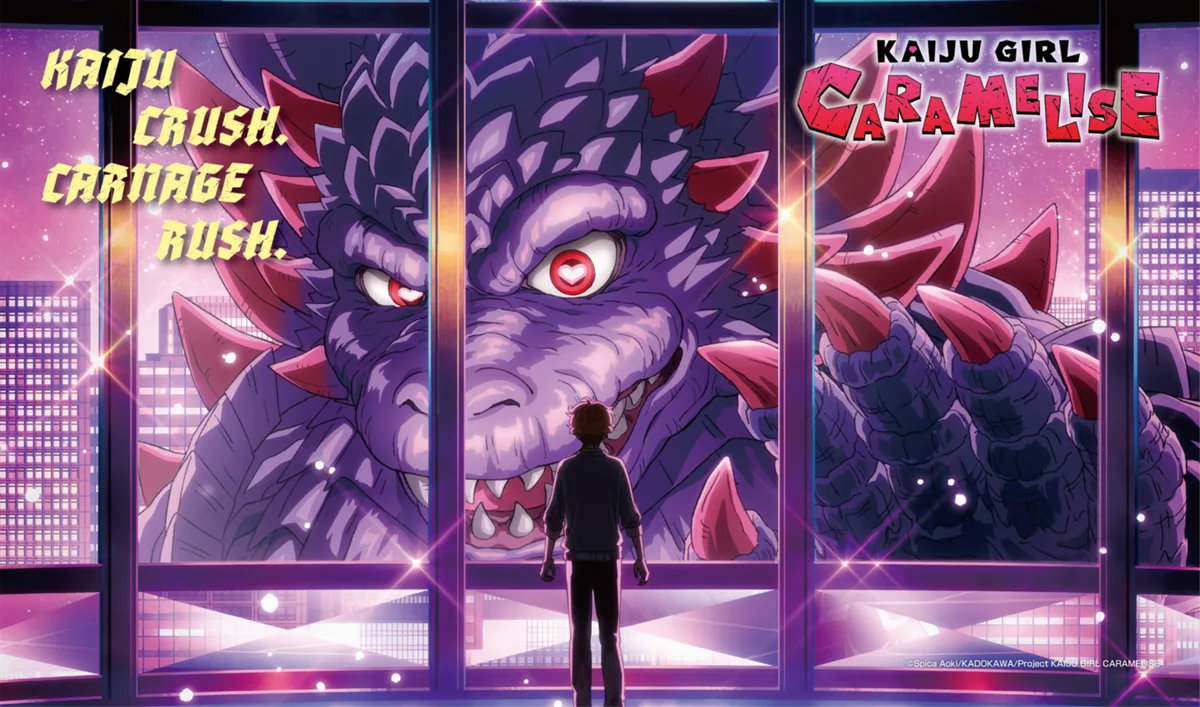
Japanese speculative fiction has historically treated giant monsters as avatars of natural fury or societal anxiety. In Aoki’s hands, childhood memories of watching vintage black-and-white Godzilla movies with her parents informed a far more intimate metaphor: Harugon is the loud, uncontrolled manifestation of feelings Kuroe cannot voice.
In Japan, kaiju often represent fears or some kind of force that can’t be dealt with by human power. In Kaiju Girl Caramelise, the kaiju is a representation of suppressed feelings that don’t come out.
Spica Aoki
Despite the high-concept premise, Aoki roots the emotional core of the manga in perseverance. Drawing inspiration from her early love of Naoko Takeuchi’s Sailor Moon and lingering themes from her earlier serialization Beasts of Abigaile, she hopes readers find comfort in Kuroe’s struggle to navigate personal insecurities.