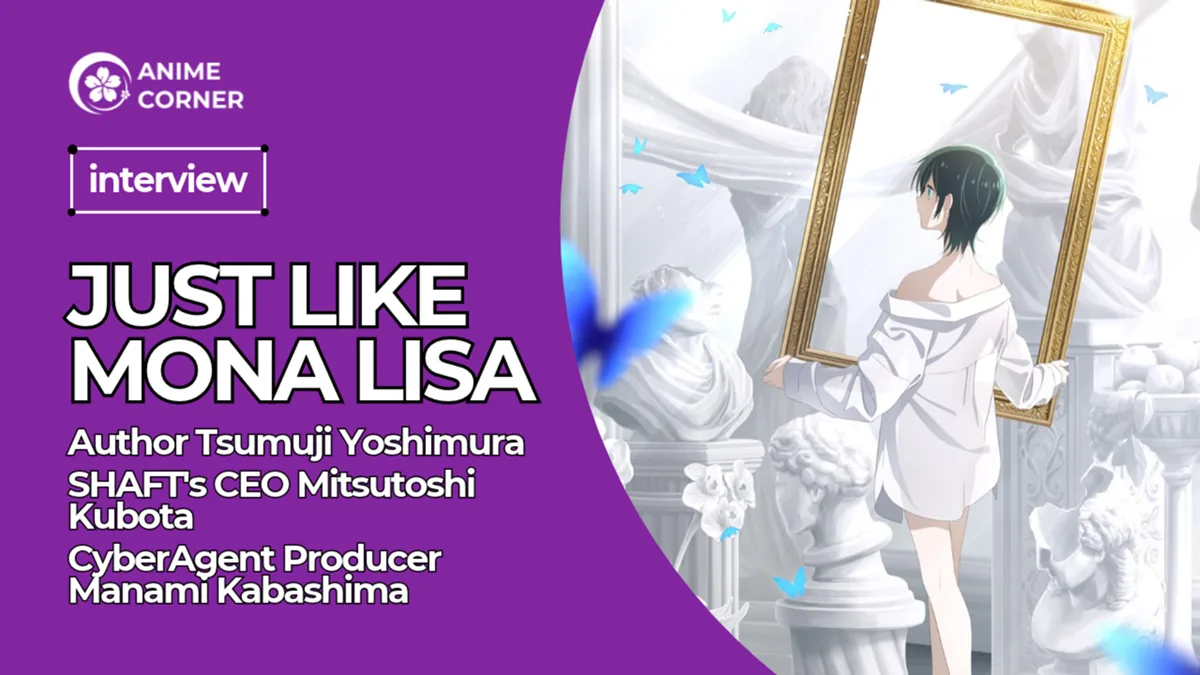
When CyberAgent unveiled the television anime adaptation of Tsumuji Yoshimura's manga Just Like Mona Lisa (Seibetsu Mona Lisa no Kimi e.) at AnimagiC in Mannheim, Germany, it marked an unconventional rollout. Instead of prioritizing a domestic premiere in Tokyo, the production committee opted to premiere the project's maiden teaser trailer directly to European readers—a conscious decision to honor the manga's passionate overseas reception.

Maximalism in Restraint
Celebrated for their avant-garde visual grammar across Puella Magi Madoka Magica and the Monogatari series, Studio SHAFT approaches Yoshimura's coming-of-age narrative with a targeted methodology. Marking the studio's 50th anniversary milestone, CEO Mitsutoshi Kubota highlighted that the team is channeling its trademark visual depth into the delicate interiority of the characters rather than overt kinetic chaos.
The challenge for SHAFT this time is how to have a maximalism within the quietness of the story. I think we can achieve this by being very detailed in the drawings and still conveying enough information. There’s different ways to convey emotions, like with music.
Mitsutoshi Kubota, CEO of Studio SHAFT
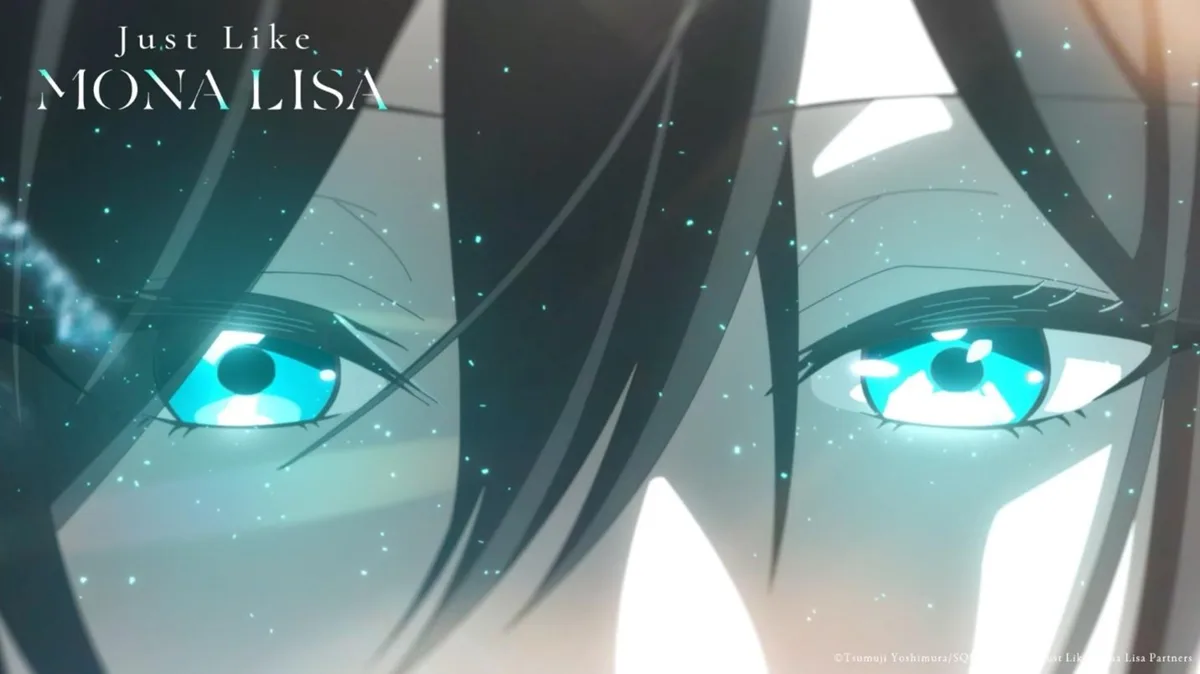
A central aesthetic challenge lies in the original comic's stark visual signature: monochrome inks punctuated by a vivid turquoise wash that mirrors protagonist Hinase's physical and emotional states. Yoshimura noted that this color serves as an emotional compass across the manga, expressing vulnerability, illness, and romantic tension, and praised SHAFT's delicate interpretation of the technique in animation.
A Global Production Footprint
Producer Manami Kabashima of CyberAgent explained that the adaptation—initially kept under wraps under the codename "Project M" since Anime Expo 2025—was designed from inception to speak directly to international audiences. Because the original manga concluded its run in Square Enix's Gangan Online, the production committee intentionally inverted traditional marketing paradigms by sourcing reactions abroad before bringing momentum back to Japan.
With themes exploring gender identity, adolescent hesitation, and unrequited devotion, the creative leadership behind Just Like Mona Lisa remains confident that its core emotional dilemmas will resonate across cultural boundaries as animation production progresses.