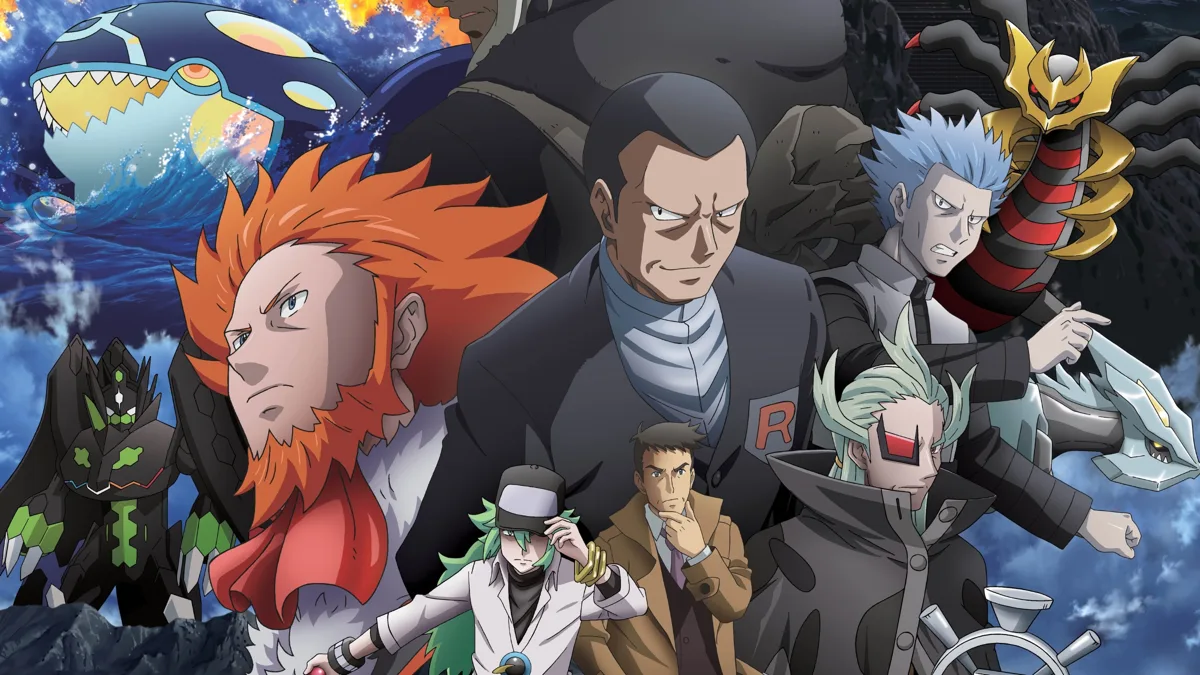
A decade ago, the sprawling world of pocket monsters received a radical, unfiltered reinterpretation that changed how fans looked at the long-running multimedia empire. Released in late 2016, Pokemon Generations departed completely from the safe, serialized formula of Ash Ketchum’s eternal journey, opting instead for a tight, action-driven anthology format produced by OLM. Rather than catering exclusively to younger demographics, these bite-sized narrative shorts embraced the darker undercurrents, moral ambiguity, and high-stakes mythology buried within the core video game cartridges.
Spanning eighteen episodes across distinct eras from Kanto to Kalos, the series dared to visualize iconic video game moments with visceral intensity and cinematic flair. We witnessed the tragic downfall of Team Rocket, the psychological weight of N’s upbringing in Unova, and legendary battles brought to life with meticulous choreography. By prioritizing atmospheric world-building and character introspection over monster-of-the-week tropes, the production team proved that the franchise's lore possessed untapped dramatic depth.
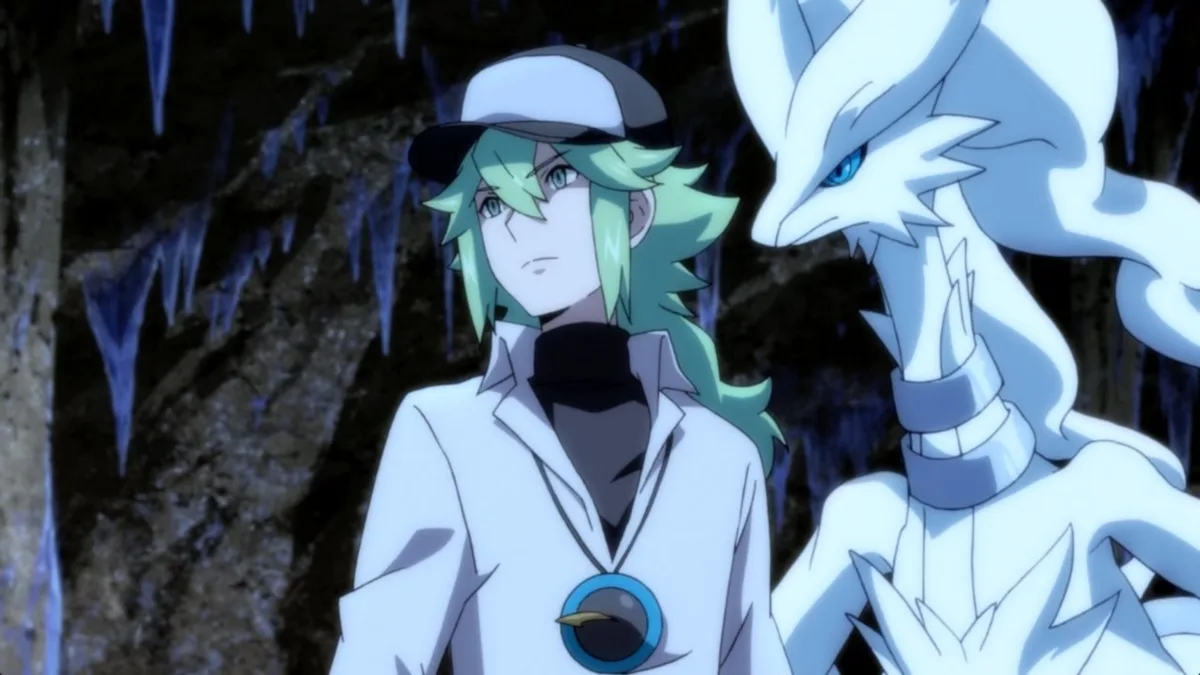
Ten years after its initial premiere, the demand for a spiritual successor or continuation of this mature stylistic direction has only intensified among veteran viewers. Modern game releases continue to expand complex regional lore, yet standard animation adaptations rarely explore these darker narratives with the same uncompromising edge. Revisiting an anthology model would offer studios the creative freedom to explore untold side stories, giving adult fans the gritty, lore-accurate storytelling they continue to crave.