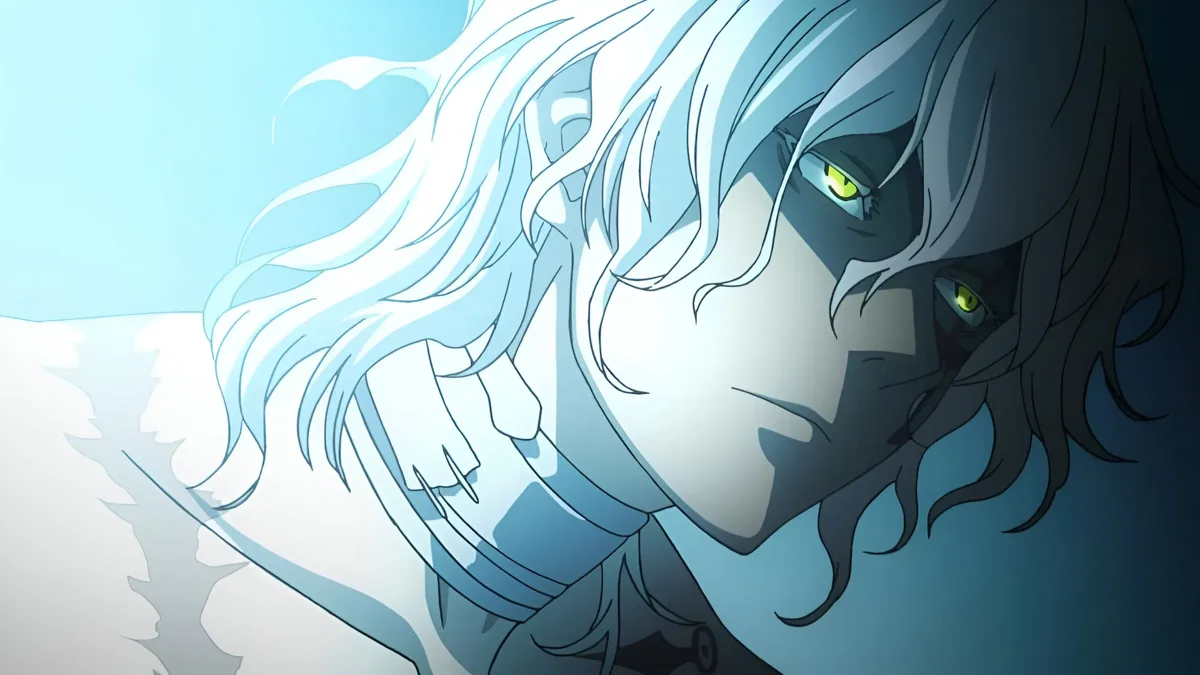
Two decades after author Katsura Hoshino first introduced exorcist Allen Walker in the pages of Weekly Shonen Jump, D.Gray-man retains a singular place in shonen history. Combining Victorian gothic atmosphere with tragic cosmic horror, the manga established an aesthetic and psychological depth rarely matched by its mid-2000s contemporaries. Yet across multiple television incarnations, the franchise has never received the comprehensive, seamless screen adaptation its sprawling narrative warrants.
The original 103-episode television anime produced by studio TMS Entertainment ran from 2006 to 2008, capturing the essence of the Black Order's war against the Millennium Earl and the Noah Clan. While celebrated for its melancholic soundtrack and distinct visual direction, the production caught up to the manga source material, resulting in substantial filler and an inconclusive finale. When the sequel series D.Gray-man Hallow arrived eight years later in 2016, the compressed 13-episode order struggled to bridge major plot points, leaving key conflicts unresolved.
The Case for a Definitive Adaptation
Modern shonen animation has entered a golden age of faithful, meticulously produced re-adaptations. Franchises such as Fullmetal Alchemist: Brotherhood and modern treatment given to long-running classics have proved that audiences crave fully realized visions devoid of production fragmentation. With Hoshino continuing her serialization at a deliberate pace in Jump SQ.Rise, Allen Walker's internal struggle with the 14th Noah stands ready for the prestige seasonal treatment that modern production pipelines afford.