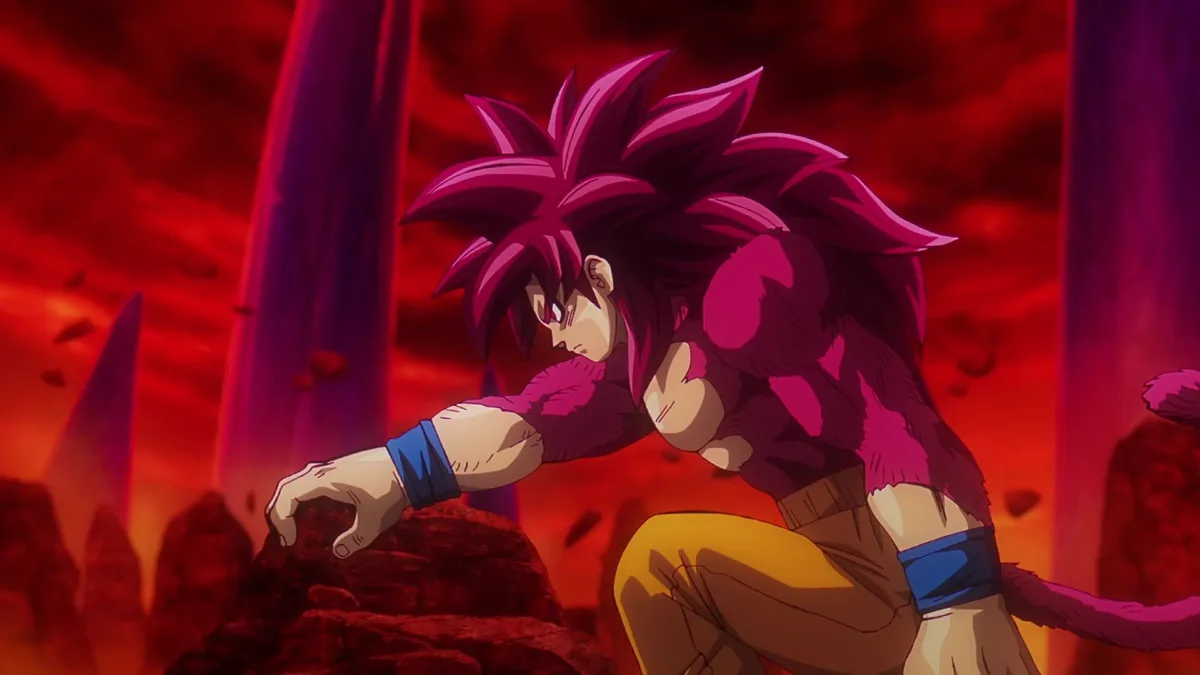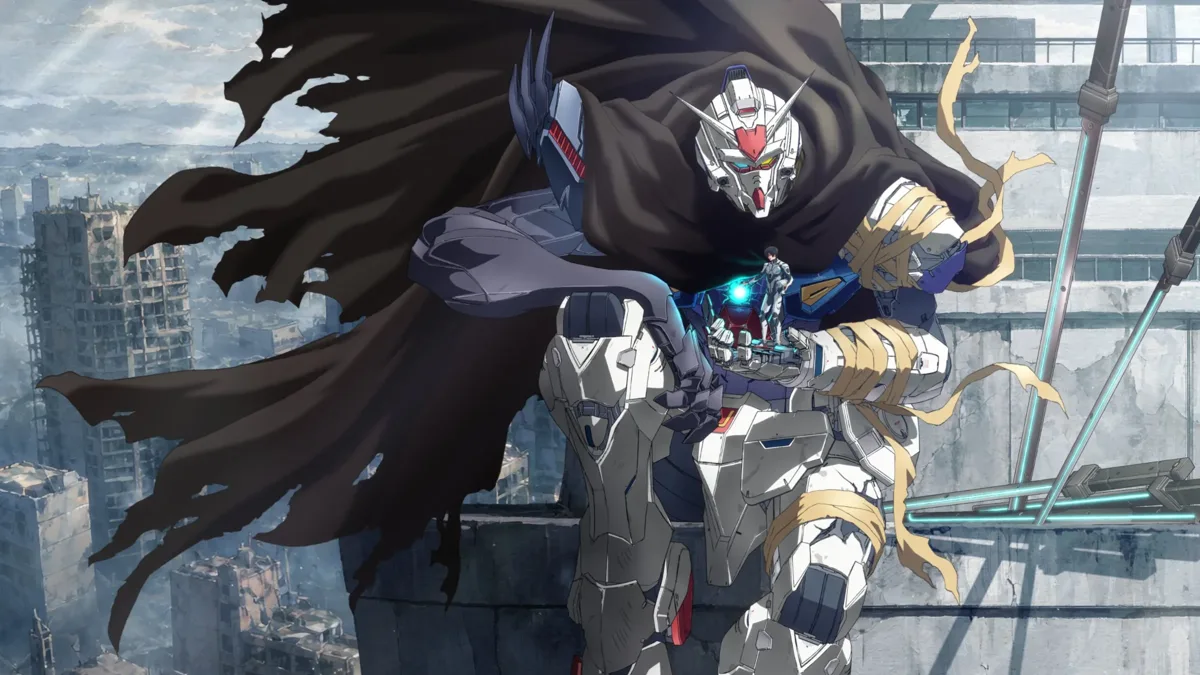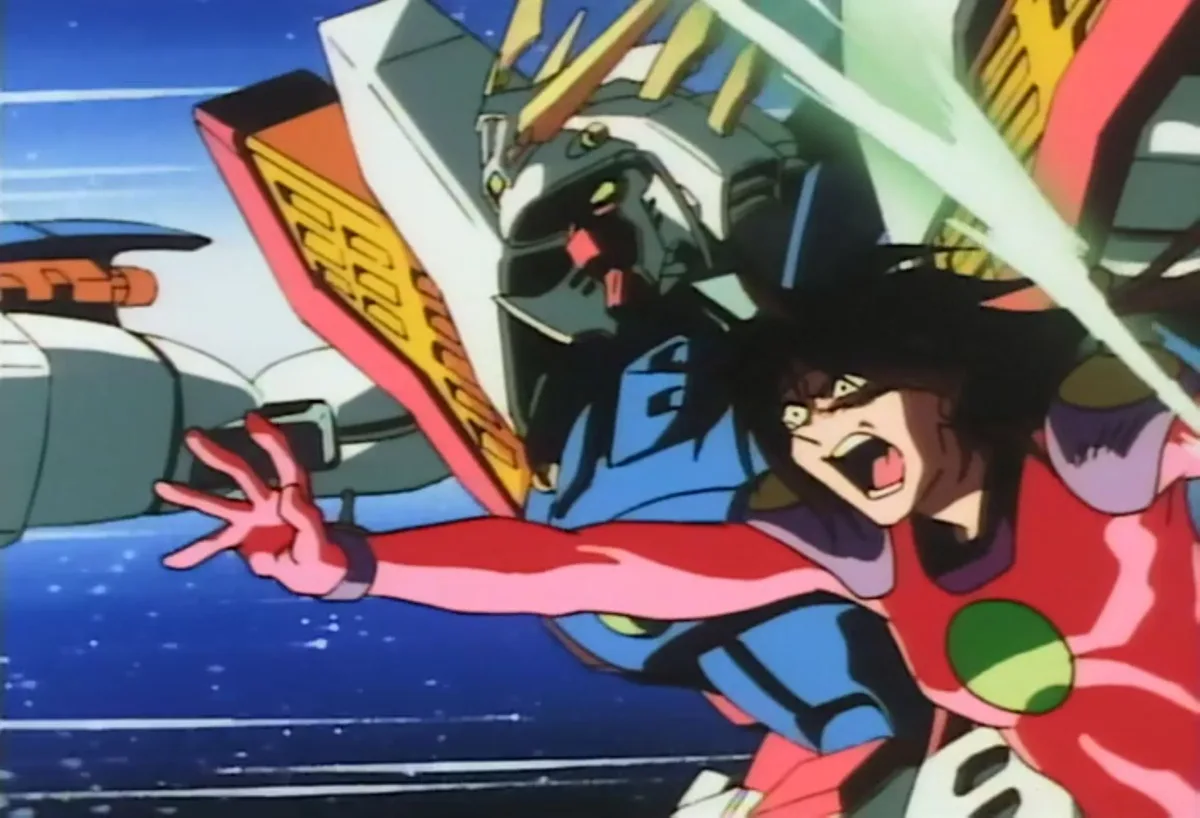
When Sunrise originally birthed Mobile Suit Gundam in 1979, Yoshiyuki Tomino revolutionized science fiction by introducing realistic geopolitics, logistical military hardware, and the psychological toll of warfare onto television screens. Yet, decades later, the franchise's smartest narrative maneuvers involved embracing the energetic, hyper-focused progression styles popularized by battle shonen giants like Dragon Ball.

Bridging Real Robot and Battle Shonen
For years, the purist divide between 'real robot' properties and 'super robot' or traditional shonen epics dictated how anime studios constructed their narratives. Gundam gradually dismantled these rigid boundaries by introducing heightened personal rivalries, mystical psychic evolutions, and intense martial confrontations that mirrored legendary tournaments. This bold pivot allowed the franchise to capture younger audiences while retaining its complex socio-political underpinnings.
Ultimately, this creative synthesis ensured the mecha titan remained culturally dominant across generations. By blending tactical warfare with high-stakes personal growth, the franchise proved that timeless storytelling thrives on adaptability rather than adherence to strict genre constraints.