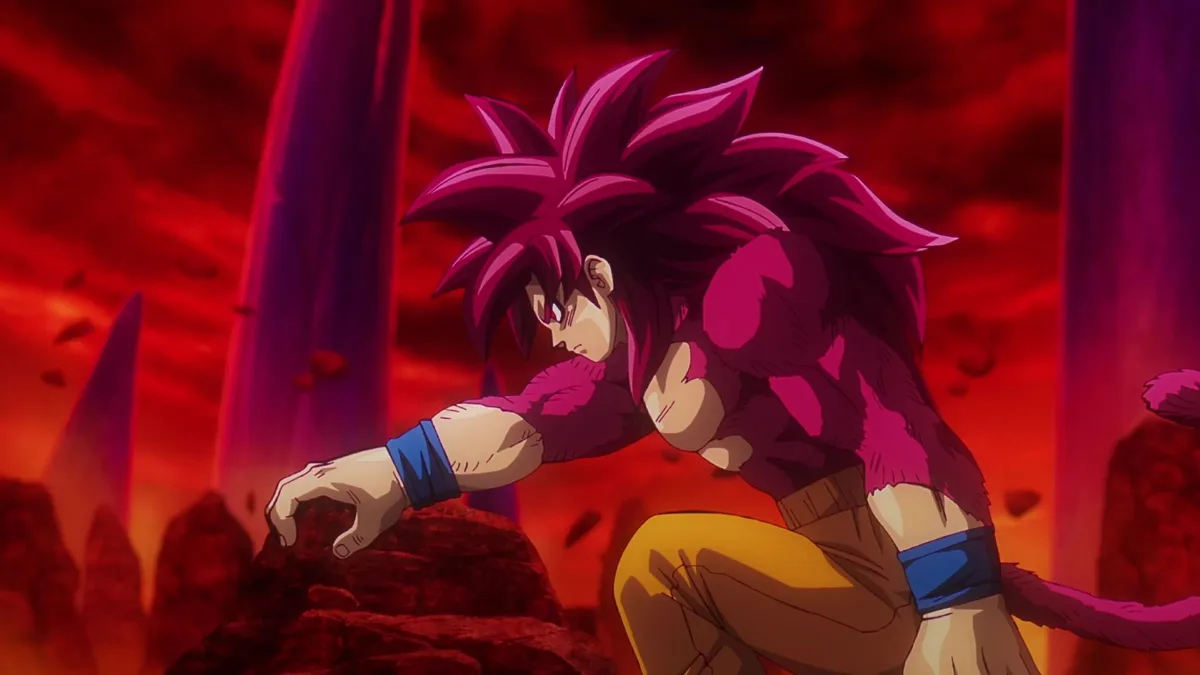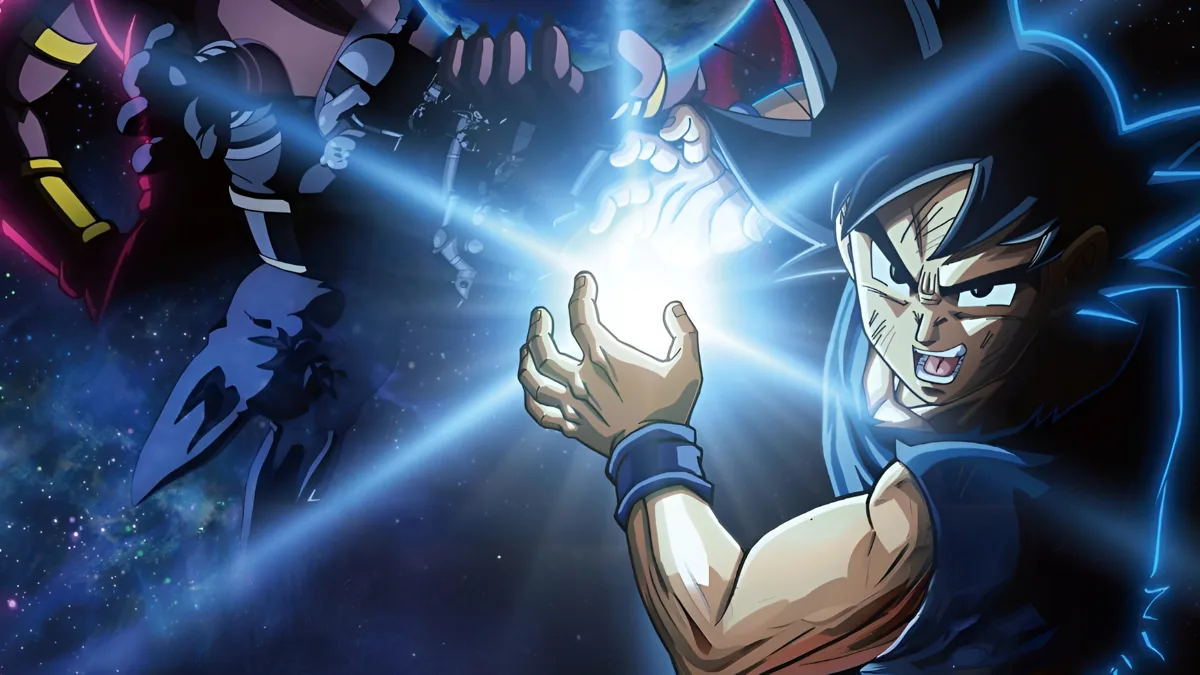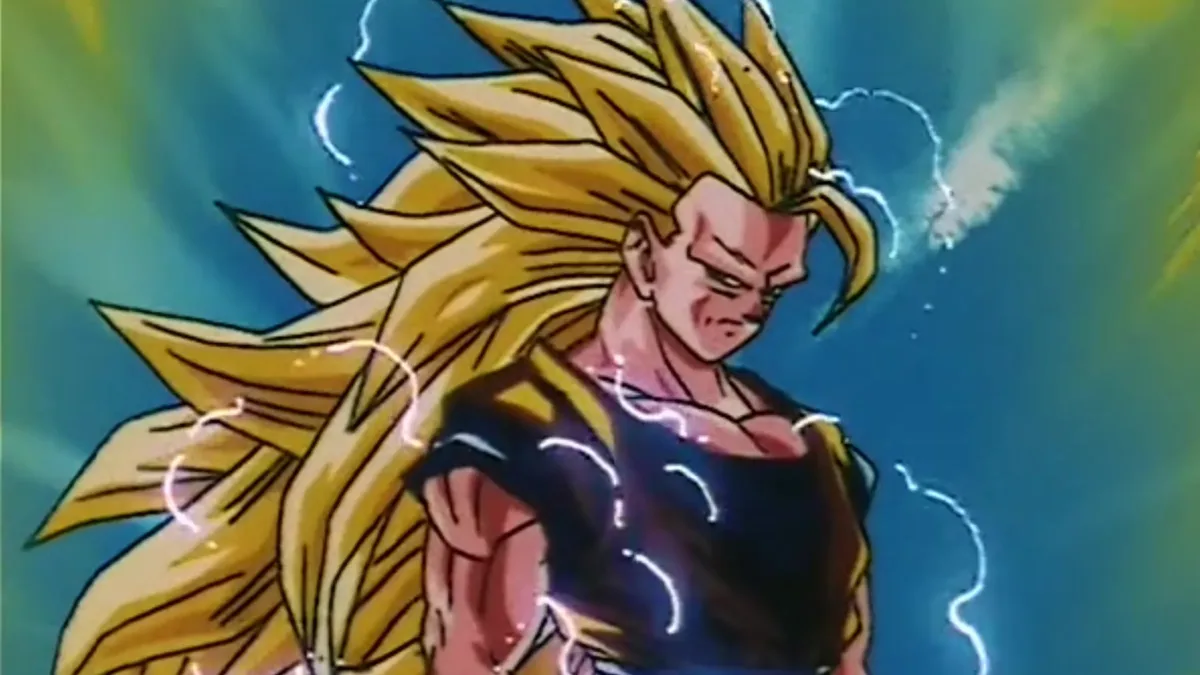
Long before modern battle shonen adopted the vernacular of effortless presence and visual dominance, Akira Toriyama laid the definitive architectural foundation for the aesthetic in Dragon Ball Z. Under the production guidance of Toei Animation, the franchise transformed simple martial arts clashes into kinetic displays where psychological weight and raw combat intensity dictated the screen.
Defining Battle Presence
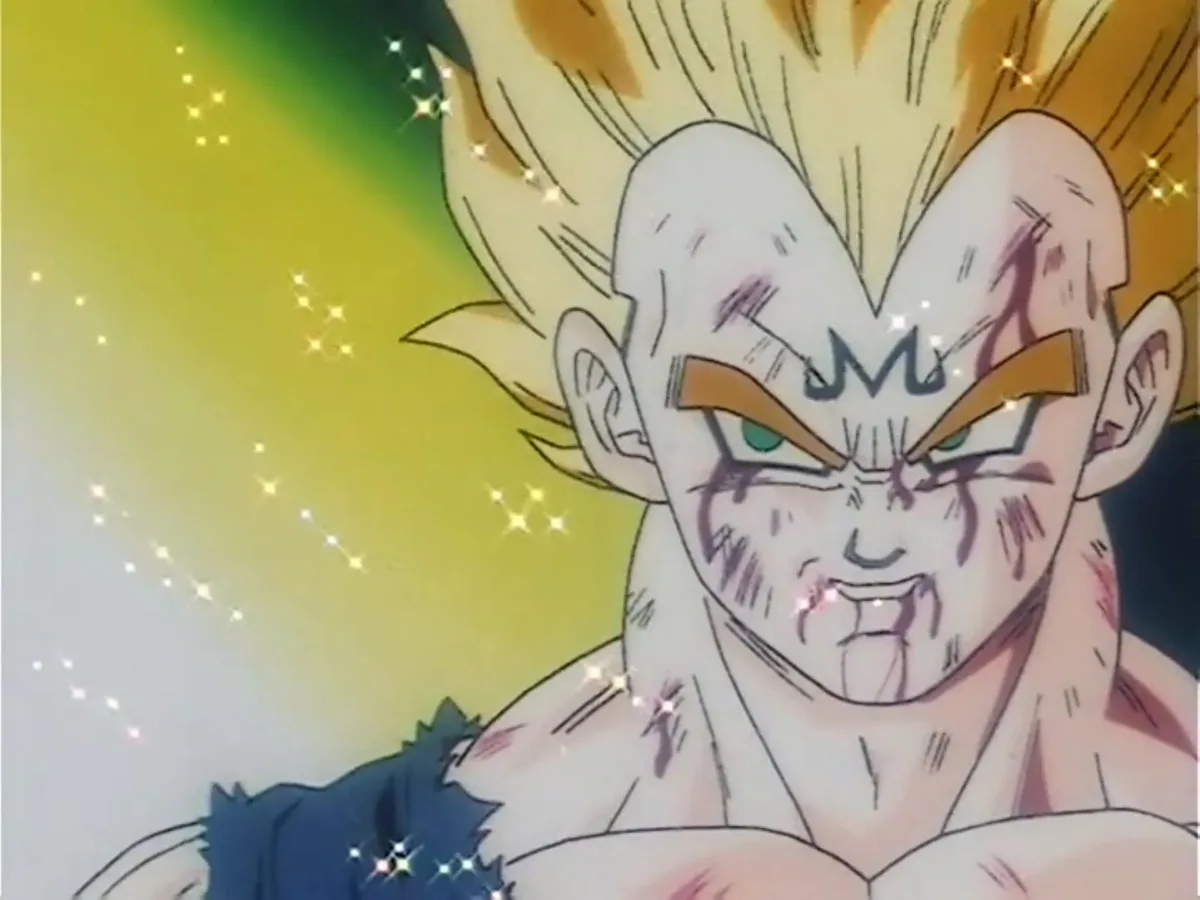
Few sequences capture character catharsis quite like the Saiyan Prince's sacrificial gambit against Majin Buu. Animators such as Tadayoshi Yamamuro brought unmatched weight to Toriyama's framing, rendering the blinding detonation of Vegeta's Final Explosion as an absolute culmination of his redemption arc. The sequence prioritizes silence, atmospheric tension, and character composure before bursting into unyielding visual fury.
This distinct staging extends across the entire canon, from Goku's initial golden awakening on Namek to the cold, decisive efficiency of Future Trunks confronting Mecha Frieza. Toriyama's deliberate pacing, paired with iconic sound design from Hidenori Arai, established the benchmark for how battle manga manifests unstoppable authority on screen.