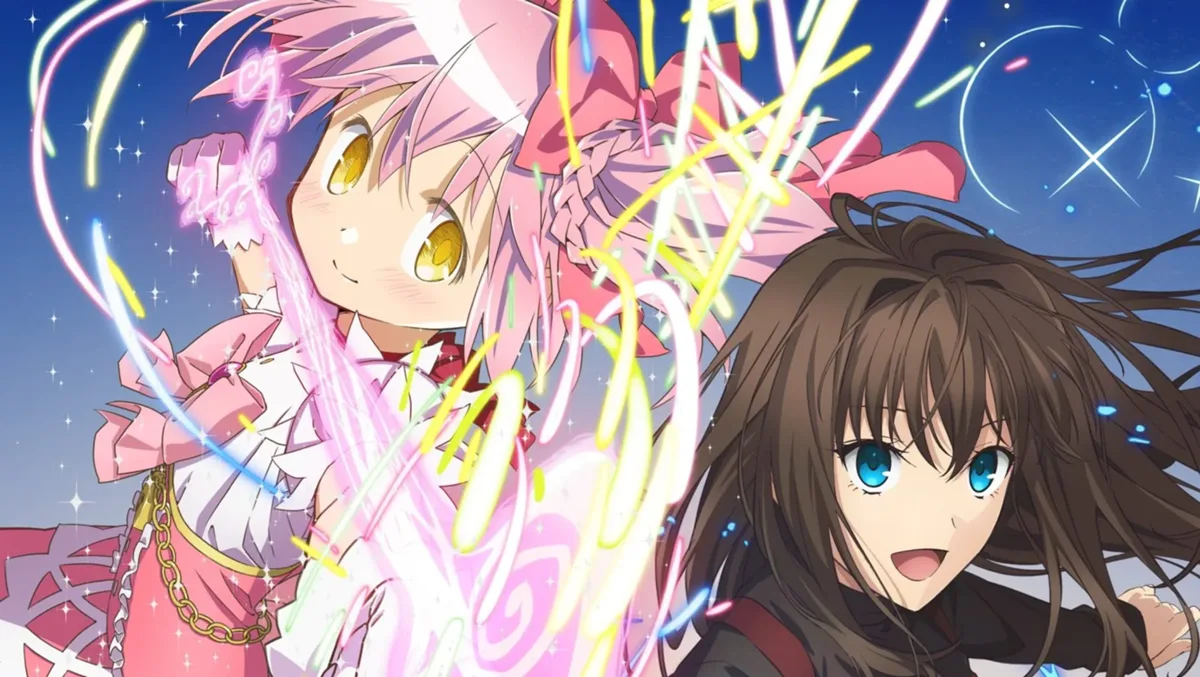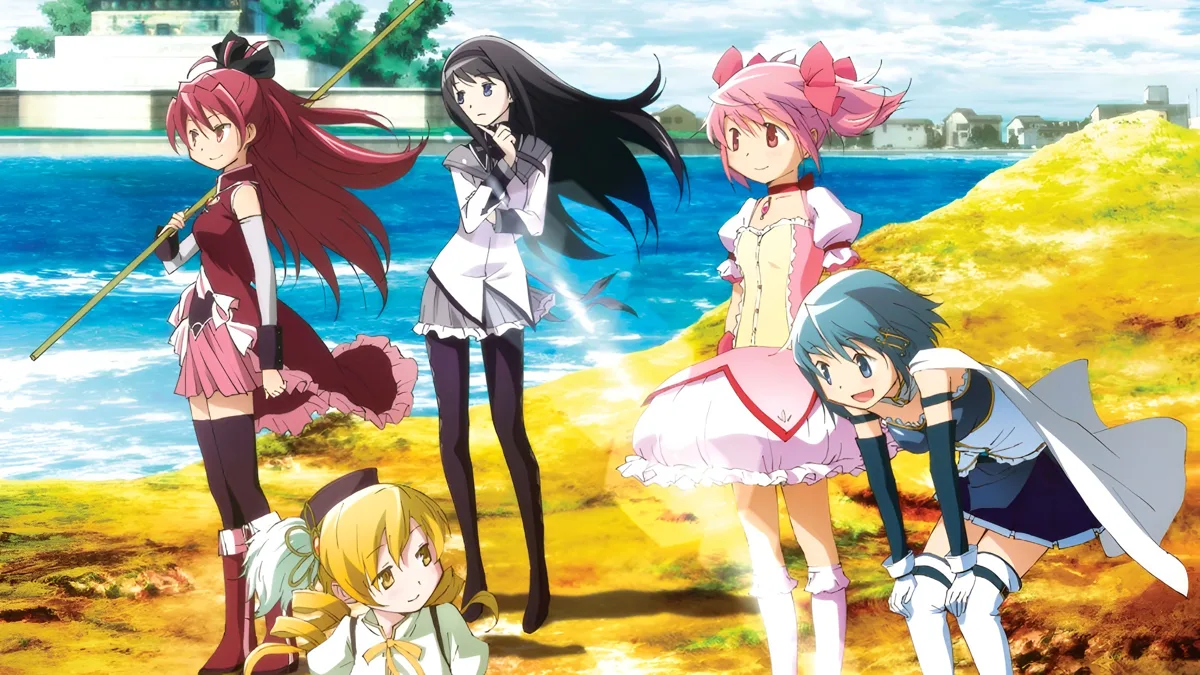
As high-profile anime films continue to trend toward faithful adaptations, Shingo Natsume’s Ghost and Madoka Magica Walpurgisnacht Rising make it an explicit point to expose audiences to unique new ways to tell a story through animation. The landscape of theatrical anime is completely different than what it used to be merely a decade or two ago, increasingly dominated by seasonal franchise spinoffs and commercial safety rather than bold artistic experimentation.
The New Theatrical Landscape
The most notable aspect of this new era is that the floor of theatrical anime productions has collapsed. Most anime movies now are made as if they were seasonal TV projects, sharing identical production pipelines and rushed schedules. Fortunately, original and thoroughly transformative films still manage to find a foothold along the margins, driven by distinct creative mindsets.
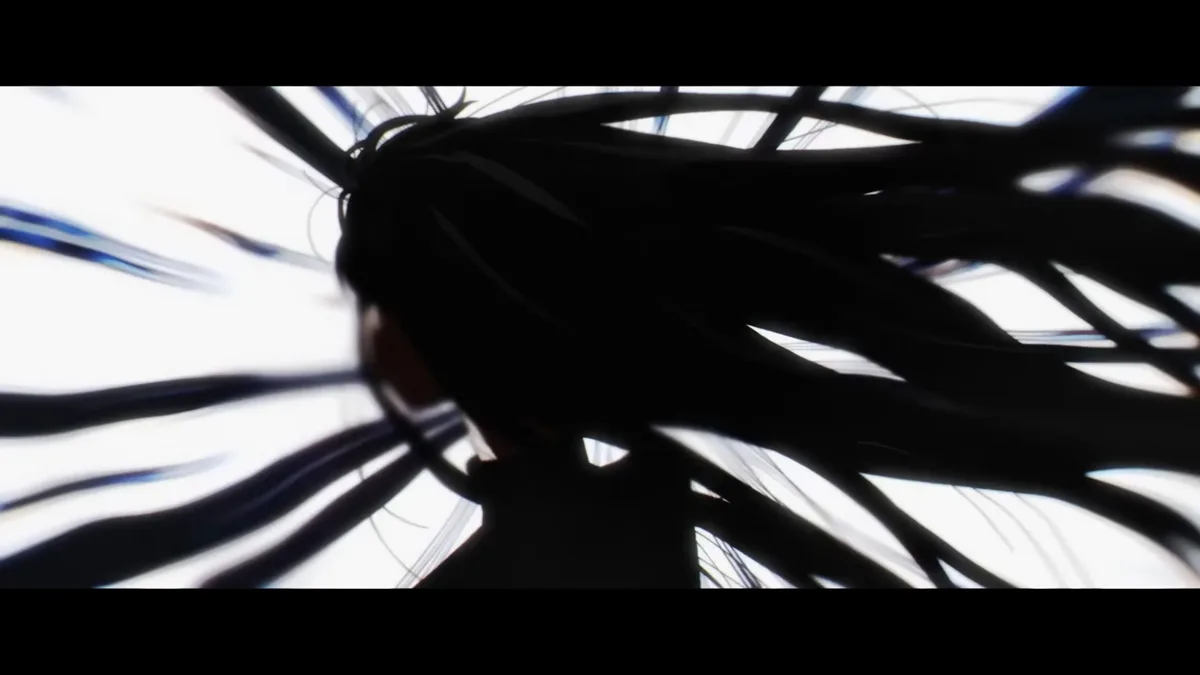
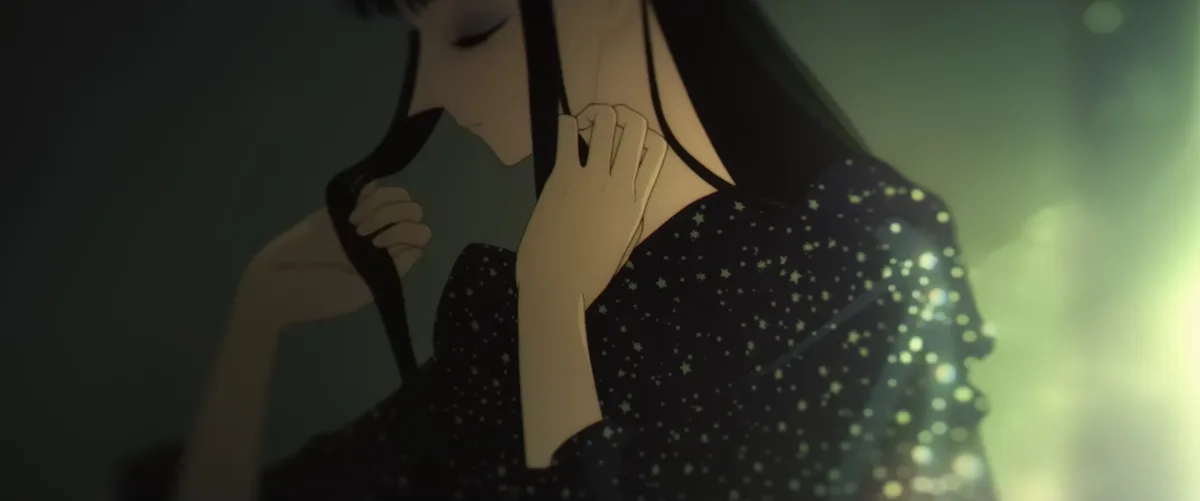
Director Shingo Natsume approaches this challenge head-on with Ghost, an original science-fiction film that embraces emotional distance and stark visual restraint. Set in a techno-dystopian future where automation has rendered traditional labor obsolete, the film follows a young elite named Neekei and a relaxed worker named Mass as they navigate a society obsessed with finding permanence and purpose.
Madoka Magica Returns
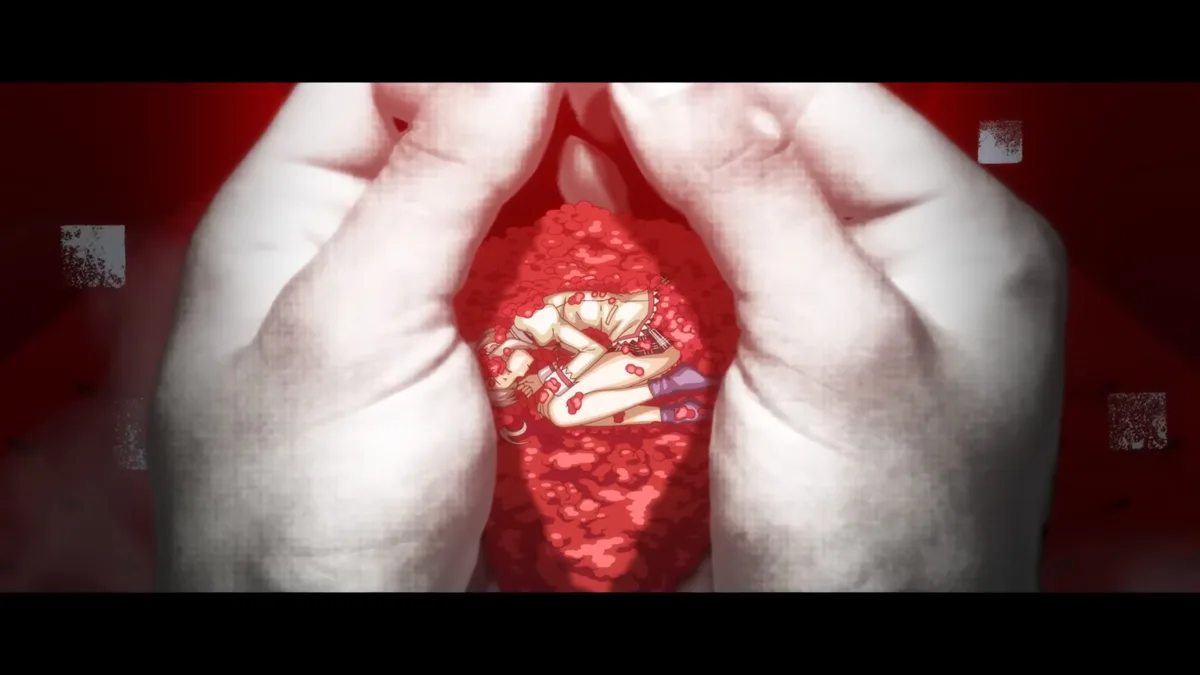
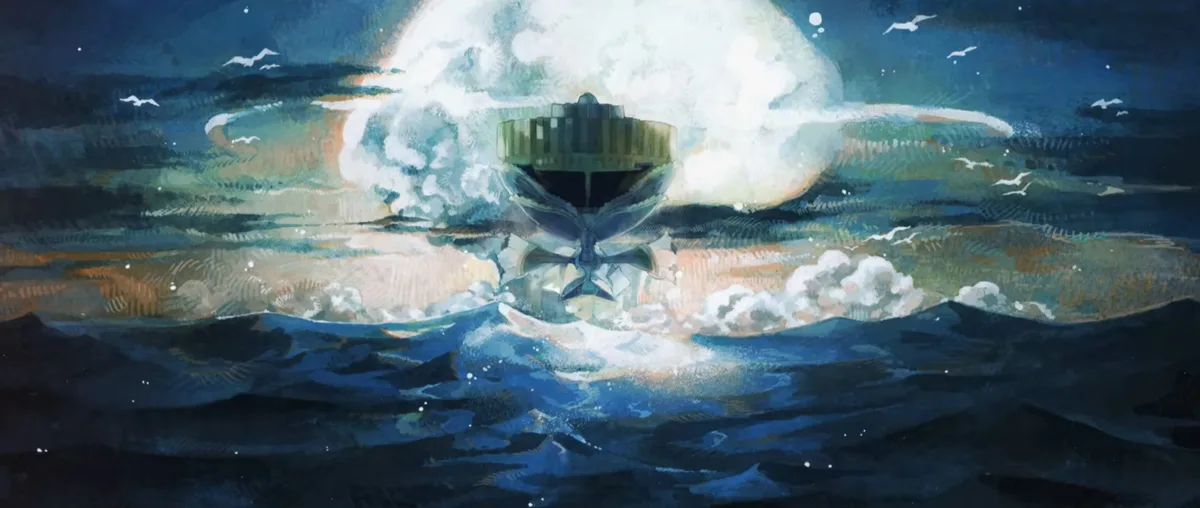
On the other hand, Studio SHAFT’s Puella Magi Madoka Magica Walpurgisnacht Rising proves the lasting power of institutionalized theatrical eccentricity. Fifteen years after the original television broadcast, the sequel continues to push radical artistry forward, utilizing diverse textures and architectural symbolism under the guidance of chief director Akiyuki Shinbo and storyboarder Tomohiro Furukawa.
Flaws and all, both Ghost and Walpurgisnacht take the wildly unique irreverence usually limited to the sidelines and thrust it onto the grand theatrical stage. While they may not completely overhaul industry norms, they prove that modern animation can still surprise audiences when given the space to break away from convention.