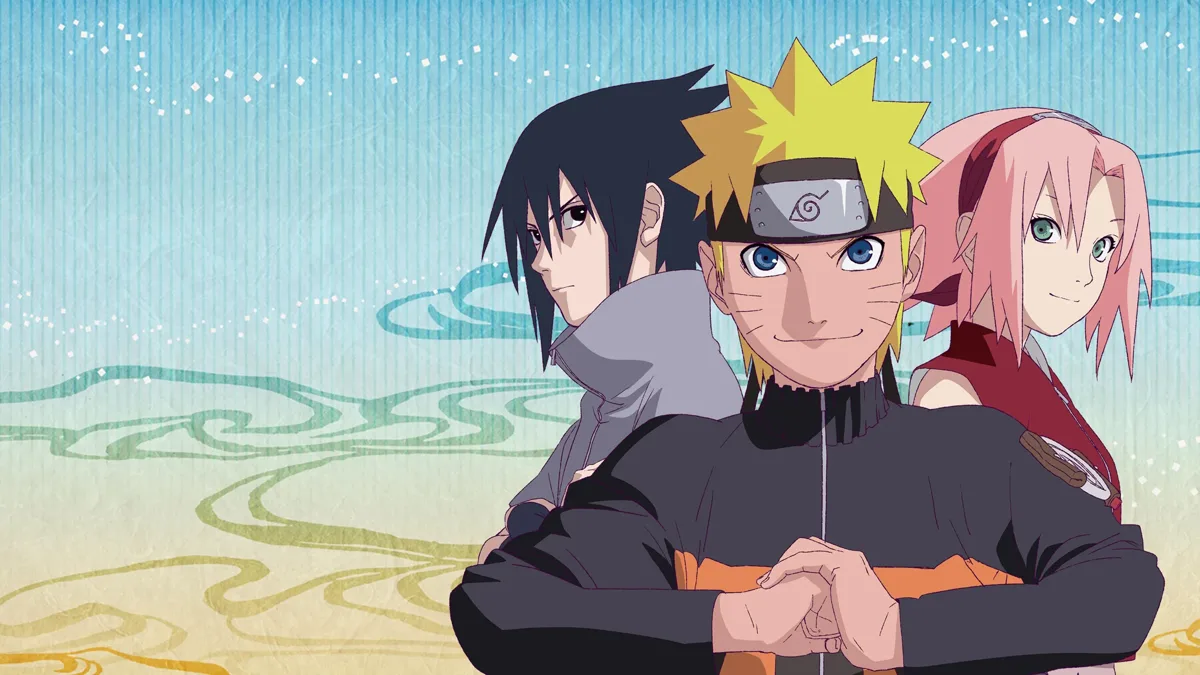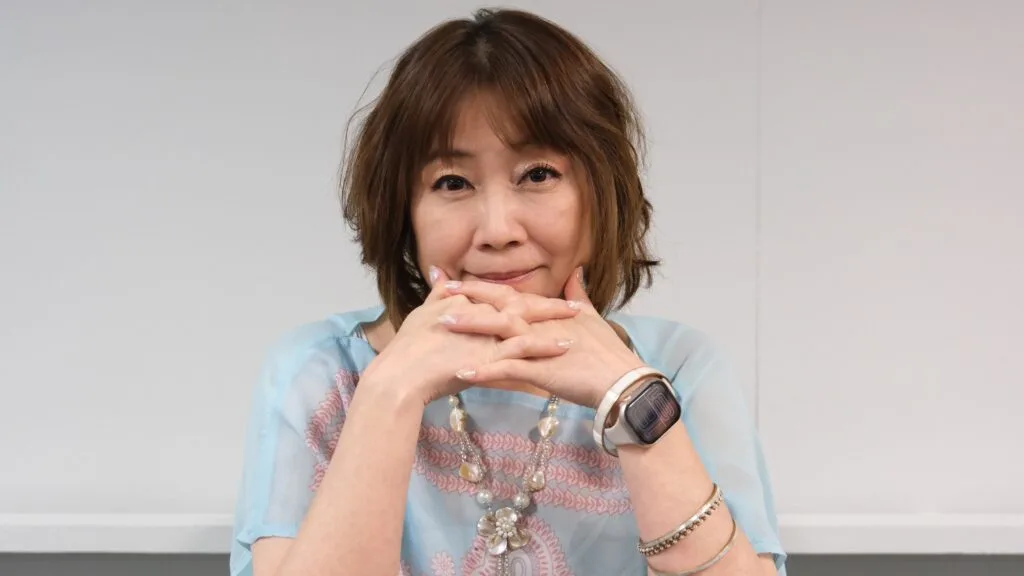
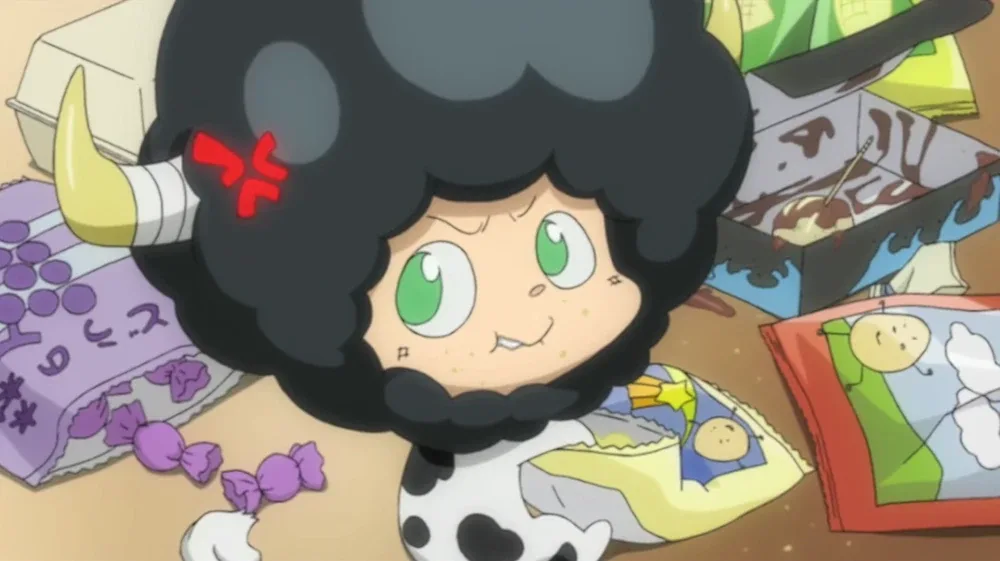
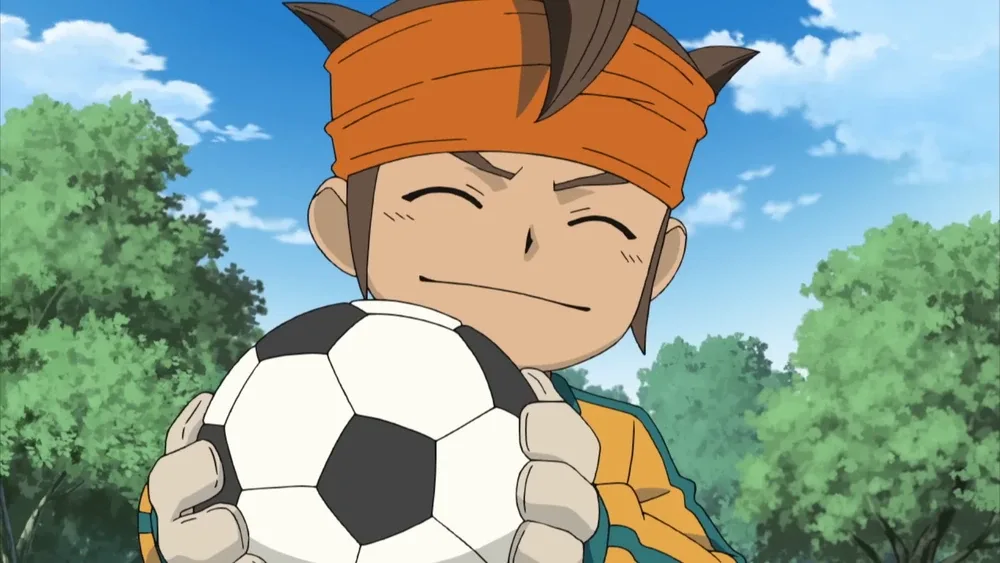
Junko Takeuchi stands as one of the most recognizable voices in the anime industry, renowned for bringing inimitable energy to characters who inspire generations of fans. Best known as the definitive voice of Naruto Uzumaki across the entire franchise, Takeuchi-san has also anchored classic series through landmark roles such as Gon Freecss in the 1999 adaptation of Hunter x Hunter, Sabo in One Piece, Lambo in Reborn!, and Mamoru Endou in Inazuma Eleven. During her featured appearance as a guest at Anime NYC, she sat down for an extensive discussion concerning her legendary career, industry transitions, and her unique artistic philosophy.
Navigating Industry Evolution
Reflecting on the widespread modern shift from long-running, continuous broadcast runs to seasonal production models, Takeuchi addressed how formatting affects both performance depth and interpersonal bonds among casts. While seasonal schedules foster quicker initial camaraderie, she noted that the extended time spent recording multi-year epics engenders a deeper, more enduring intimacy with fellow actors. Despite these structural differences, her core interpretive dedication and emotional investment in every intellectual property remain completely consistent.
Discussing the complexities of returning to legacy roles through reboots—such as voicing Gomamon in Digimon Adventure:—Takeuchi highlighted a distinct psychological hurdle. Where original series require competing against one's immediate artistic instincts, revisiting established material forces an actor into direct competition with their past self. Furthermore, tracing the evolution of the archetypal shonen hero across decades, she emphasized that while definitions fluctuate with eras, every character she portrays shares an underlying thread: an unshakeable sense of hope for the future.
The Evolution of Naruto Uzumaki
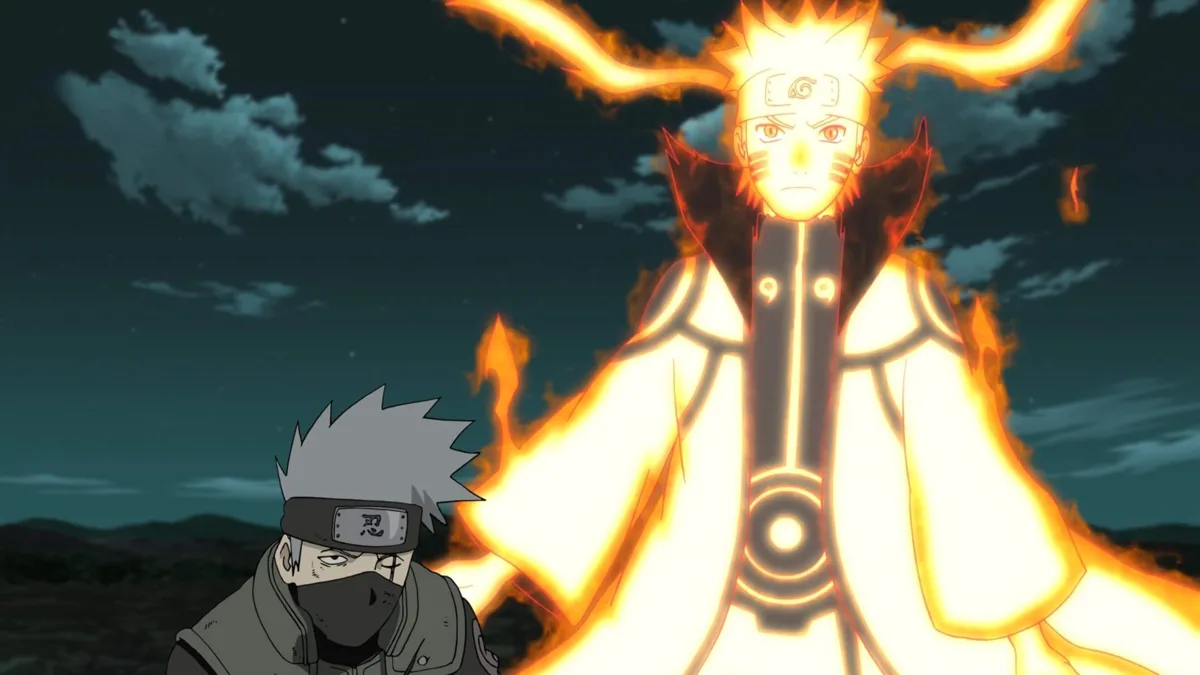
Transitioning across Naruto’s life stages from an outcast child to a mature shinobi leader and father demanded both technical dexterity and psychological nuance. Takeuchi explained that voicing a growing boy as a female artist requires calculated vocal modifications—infusing deeper timbres and heavier resonance to mirror puberty and maturity. Simultaneously, the character's internal motivations underwent a profound metamorphosis.
When he’s a young kid he’s trying to protect himself and trying to express his own character. But as he grows older he’s trying to protect other characters or trying to protect his family or his loved ones. And so the emotions behind the character have changed based on the position that Naruto is in and what he’s trying to protect within the stories.
Junko Takeuchi, Voice Actor
As the conversation turned toward modern media distribution, social media snippets, and shifting convention culture, Takeuchi offered candid reflections on visibility. While direct fan interactions at international events remain a profound honor, she noted that short-form content can easily encourage misinterpretations of creative intent. Consequently, she approaches media communications with heightened deliberation, ensuring her artistic perspectives are conveyed accurately to a global audience.