
It has been two years since Gege Akutami brought Jujutsu Kaisen to its explosive finish in the pages of Weekly Shonen Jump, yet the conclusion of the modern dark fantasy epic remains a lightning rod for community discussion. As one of the defining pillars of modern shonen manga, the series captivated millions with its relentless pacing, intricate sorcery combat system, and shocking narrative risks.
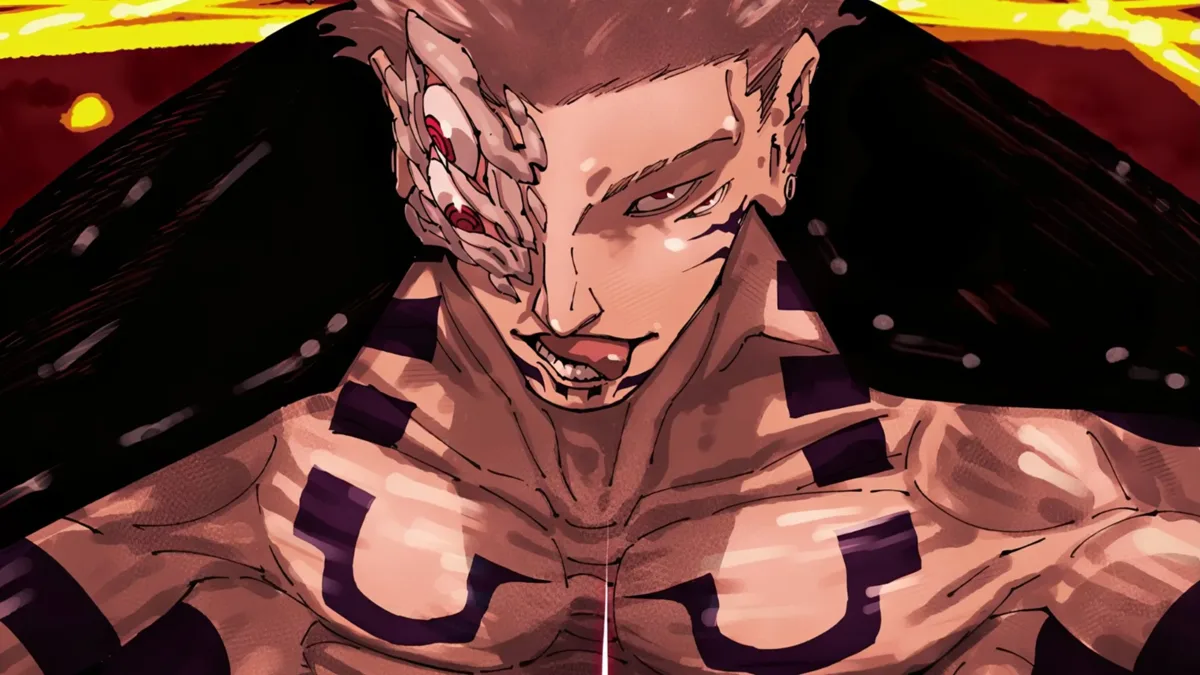
When the final chapters dropped, readers were met with an epilogue that chose quiet character reflection over sprawling exposition. While some followers appreciated the realistic portrayal of a society picking up the pieces after devastating losses, others felt the rushed pacing left crucial character arcs and lore threads unresolved. The polarized reaction highlighted the immense pressure resting on contemporary manga creators wrapping up high-stakes multi-year publications.
Looking back, the enduring debate over the ending demonstrates the profound cultural footprint Akutami left behind. Whether viewed as a bold subversion of traditional shonen tropes or an abrupt departure from established plot momentum, the discourse proves that the supernatural world of curses and jujutsu sorcerers continues to command obsessive attention across global fandoms.