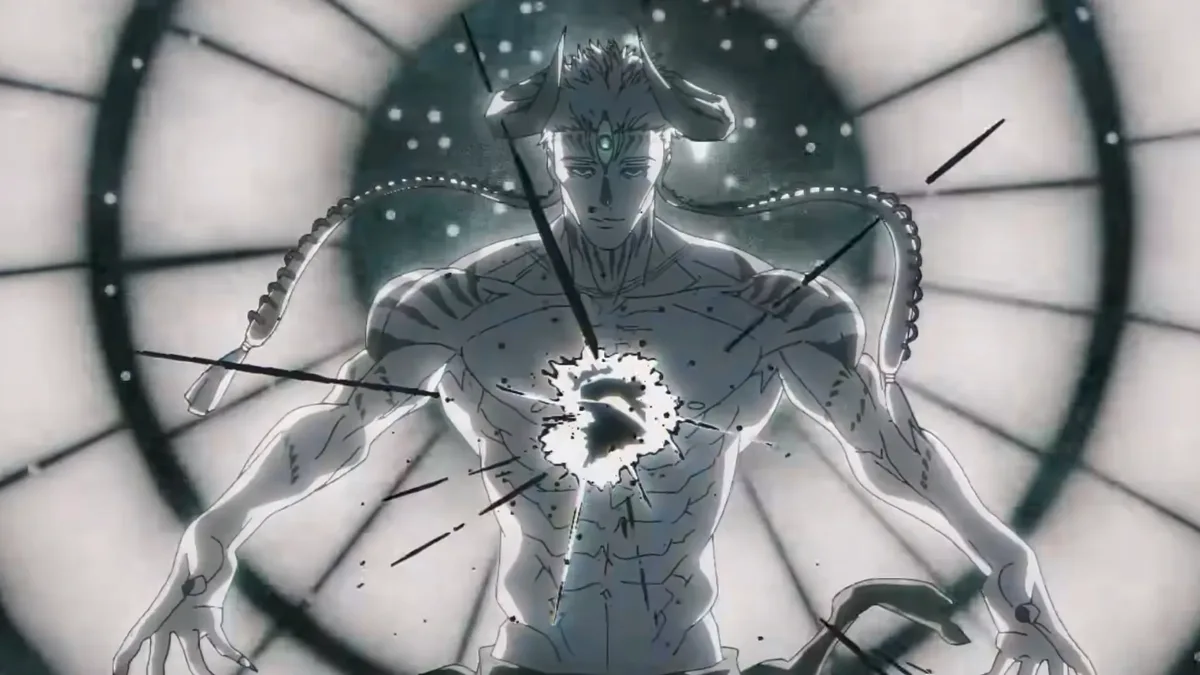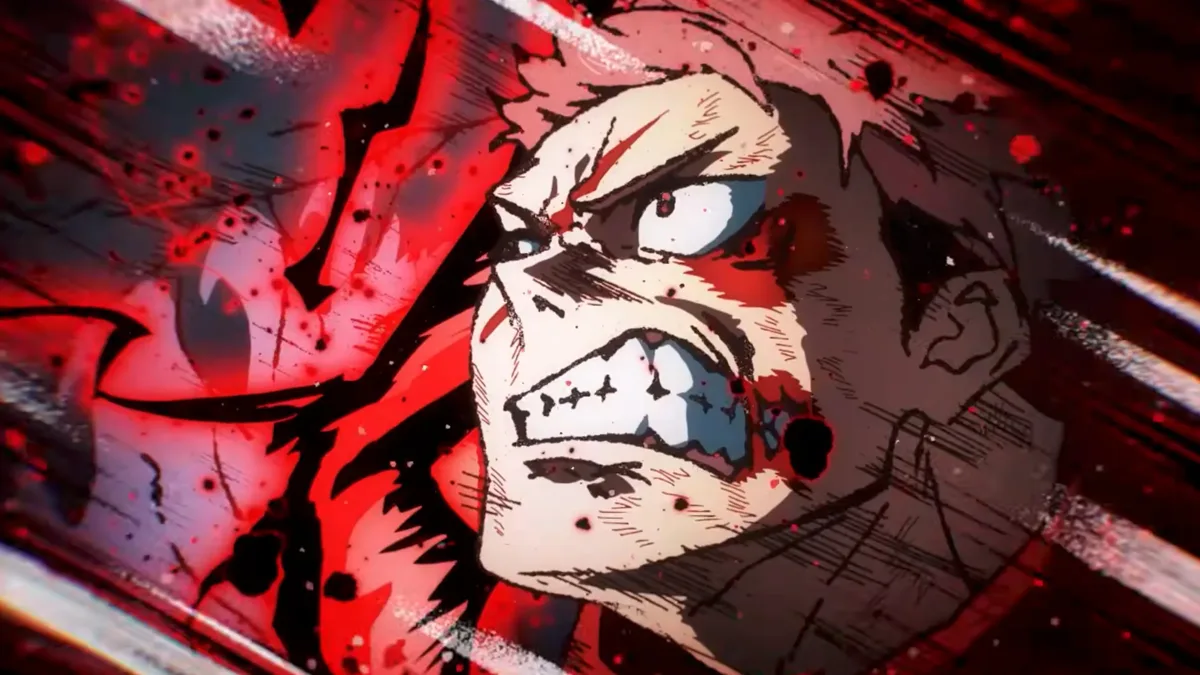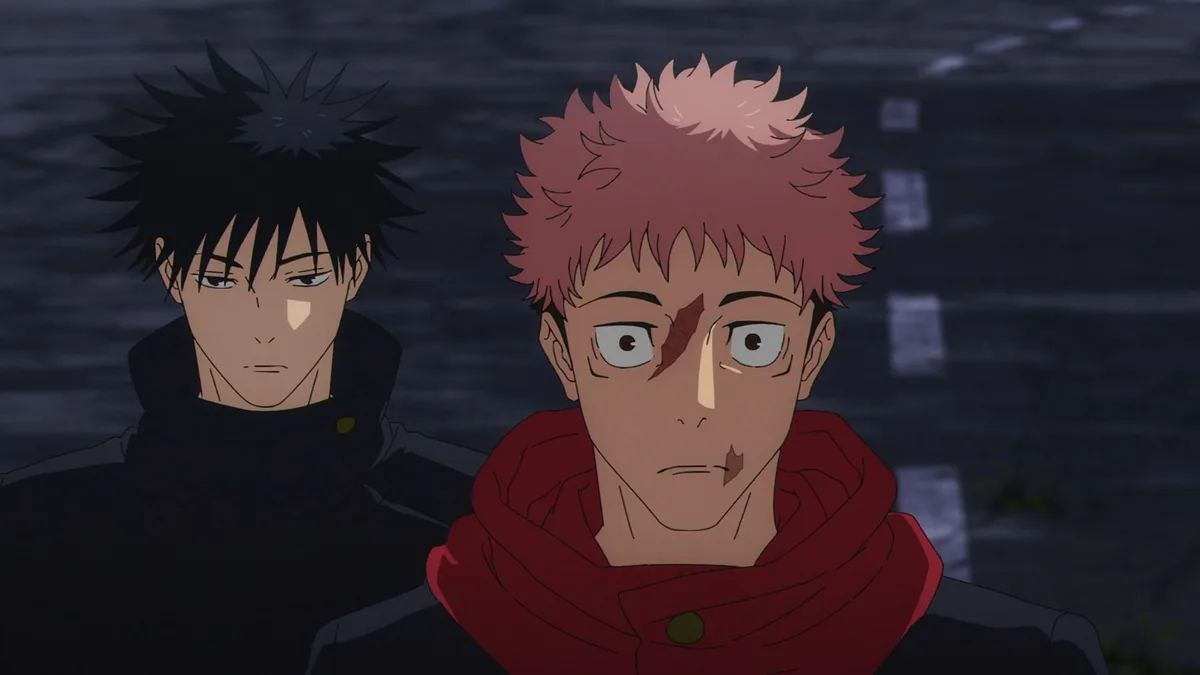
Gege Akutami's supernatural phenomenon Jujutsu Kaisen captured the global imagination with its relentless action, intricate power system, and high-stakes tragedy. However, as the manga reached its serialized conclusion, a vocal segment of the fanbase expressed deep frustration over rushed pacing, unresolved character arcs, and abrupt narrative resolutions. With Studio MAPPA steering the television adaptation toward its grand finale, a pressing question looms over the industry: can dynamic animation and expanded storyboards rescue a divisive conclusion?
The Adaptation Dilemma
Animation studios frequently utilize seasonal pacing to refine, expand, or structurally reframe narrative shortcomings present in source material. While MAPPA has consistently delivered breathtaking spectacle—transforming complex choreography into fluid visual masterclasses—structural writing choices rooted directly in Akutami's original scripts remain difficult to alter fundamentally without alienating purists. Narrative pacing compressed into the final chapters left key character dynamics underdeveloped, a structural hurdle that even premier production values and extended sequence boarding will struggle to completely rewrite.
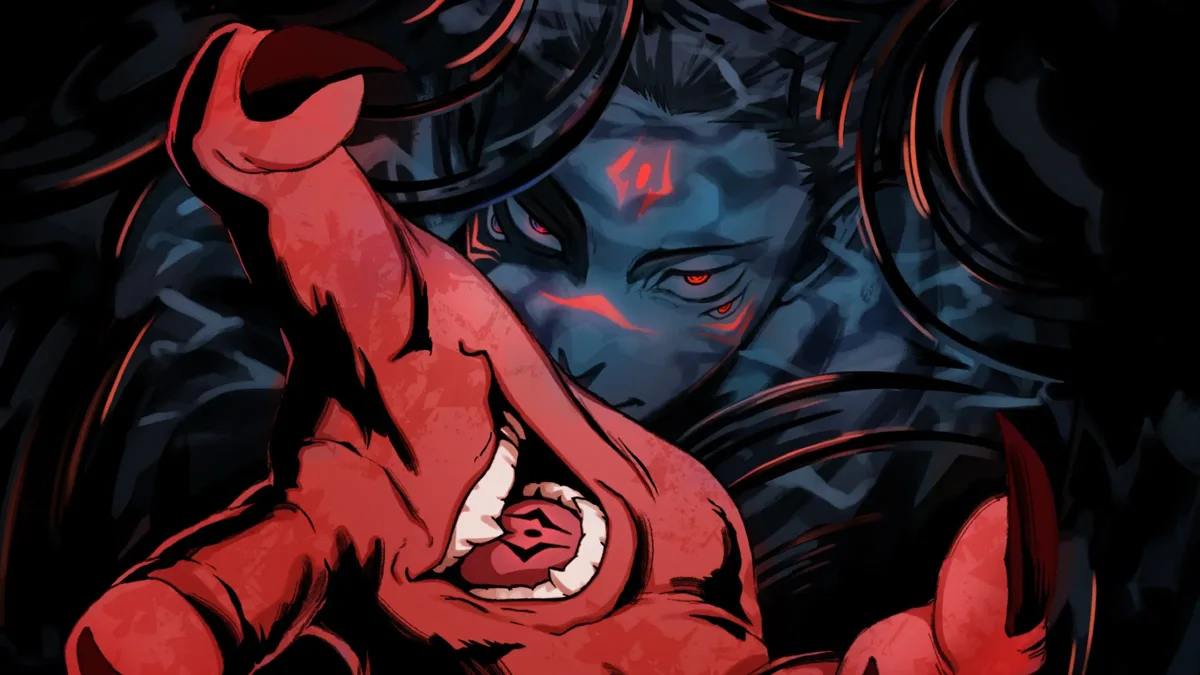
Ultimately, viewers tuning into the concluding arcs of Jujutsu Kaisen will witness some of modern television's most impressive technical execution. Yet, narrative satisfaction depends heavily on whether the emotional resonance built up over years of serialization can overcome the structural turbulence of its final chapters.