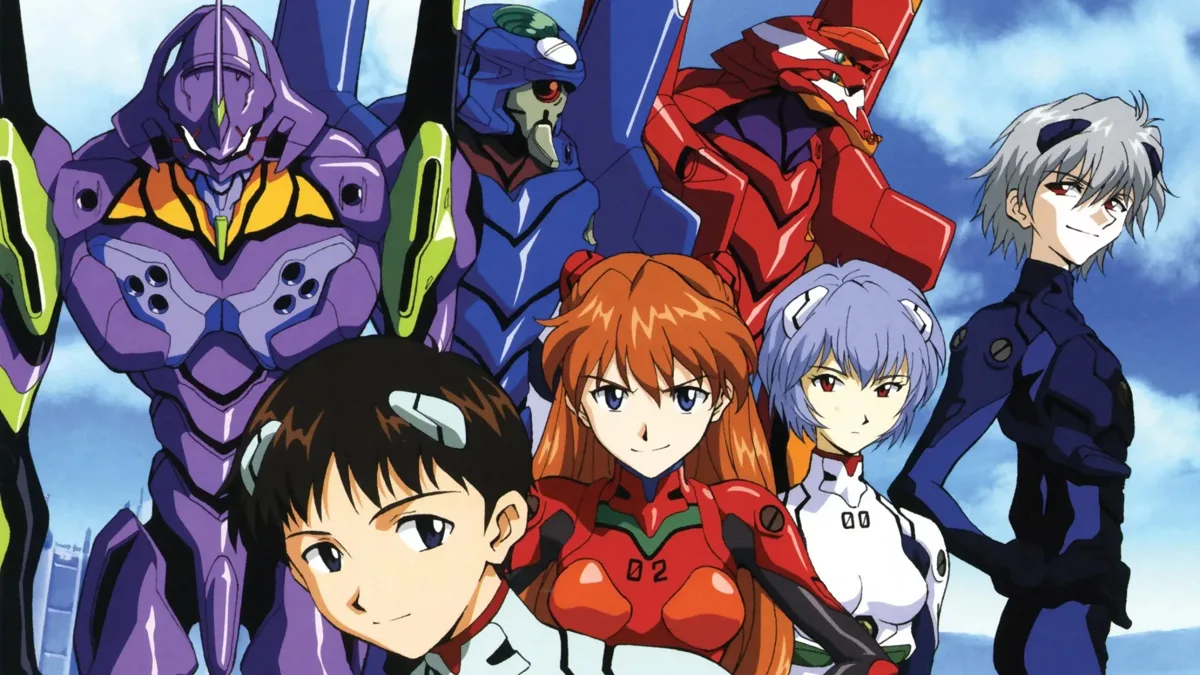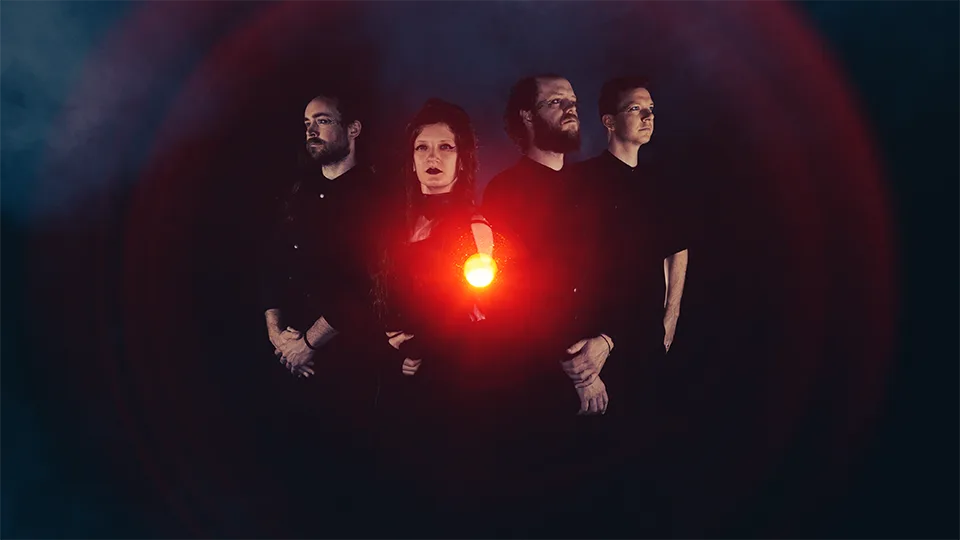
In the realm of extreme music, few bands weave metal, jazz, prog, and folk into as immersive an auditory tapestry as Dreadnought. Their latest full-length record, Wars of Spirit // Wards of Light, weaves a dystopian narrative that will instantly captivate enthusiasts of seminal cyberpunk masterpieces such as Ghost in. the Shell and Neon Genesis Evangelion. To mark the release of this ambitious project, our team sat down with founding members Kelly Schilling and Jordan Clancy to explore how lifelong anime fandom directly influences their creative process.
The Cyberpunk Dystopia of Wars of Spirit
At its core, Dreadnought's new record tackles the preservation of human agency against an increasingly automated and digitally saturated reality. Kelly Schilling explains that the record's protagonist, The Ward Of Light, awakens as the last free-thinking human in a society where thinking has been entirely outsourced to warring machine factions vying for control over The Archive.
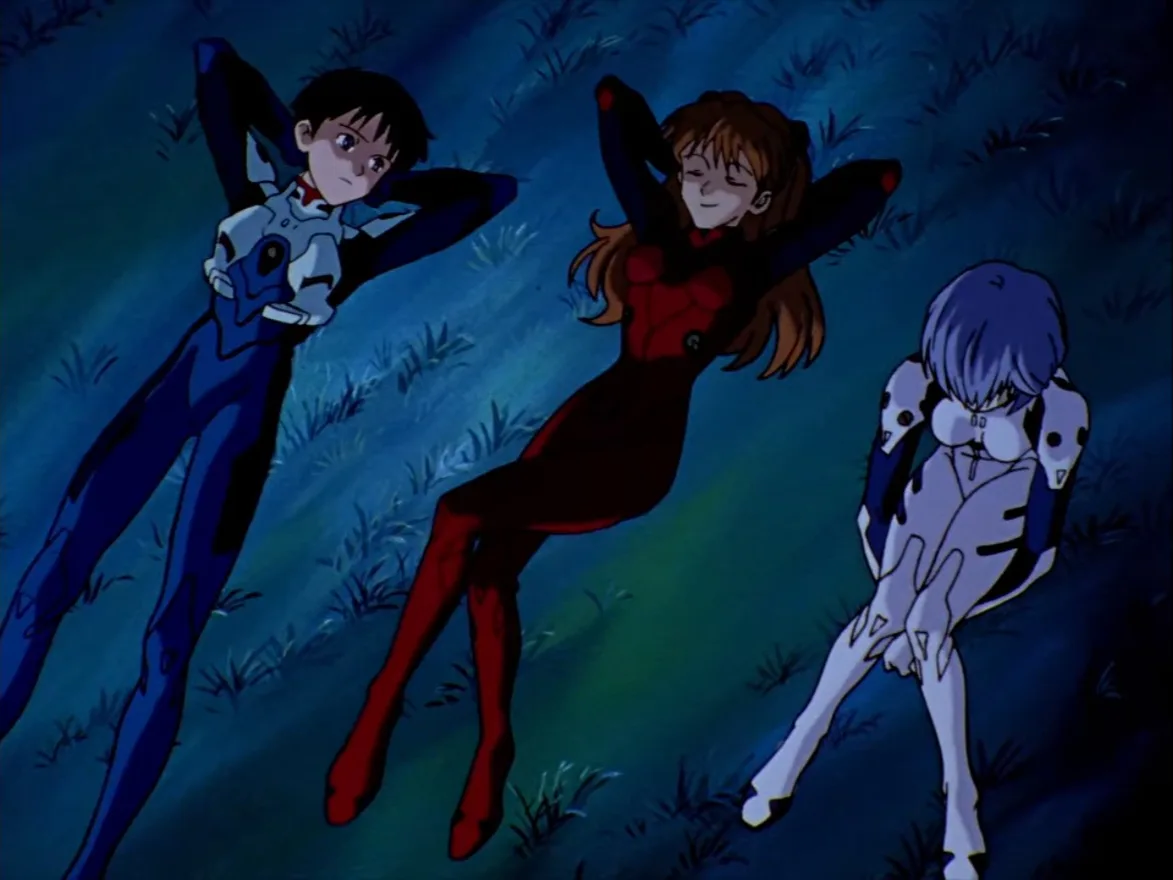
Jordan Clancy draws direct parallels between these themes and the philosophical inquiries posed by Mamoru Oshii and Hideaki Anno. The existential questions raised by Motoko Kusanagi regarding consciousness, memory, and identity heavily informed the band's musical exploration of attention warfare and technological integration.
Anime Origins and Artistic Evolution
Reflecting on their earliest introductions to the medium, both artists point to formative late nineties touchstones. While Schilling cut her teeth on the emotional storytelling of Pokémon, Clancy gravitated toward sprawling action epics and psychological thrillers like Naruto, Dragon Ball Z, and Death Note. Today, their tastes have evolved to embrace the intricate mystery boxes of Attack on Titan and the breathtaking atmospheric fantasy of Studio Ghibli.
The visual identity of Wars of Spirit // Wards of Light further cements this aesthetic synergy. Collaborating with acclaimed comic artist Christian Ward yielded a striking cover illustration that channels the dark, sword-wielding heroics reminiscent of Kentaro Miura’s Berserk and Claymore, bridging the gap between manga iconography and heavy auditory art.