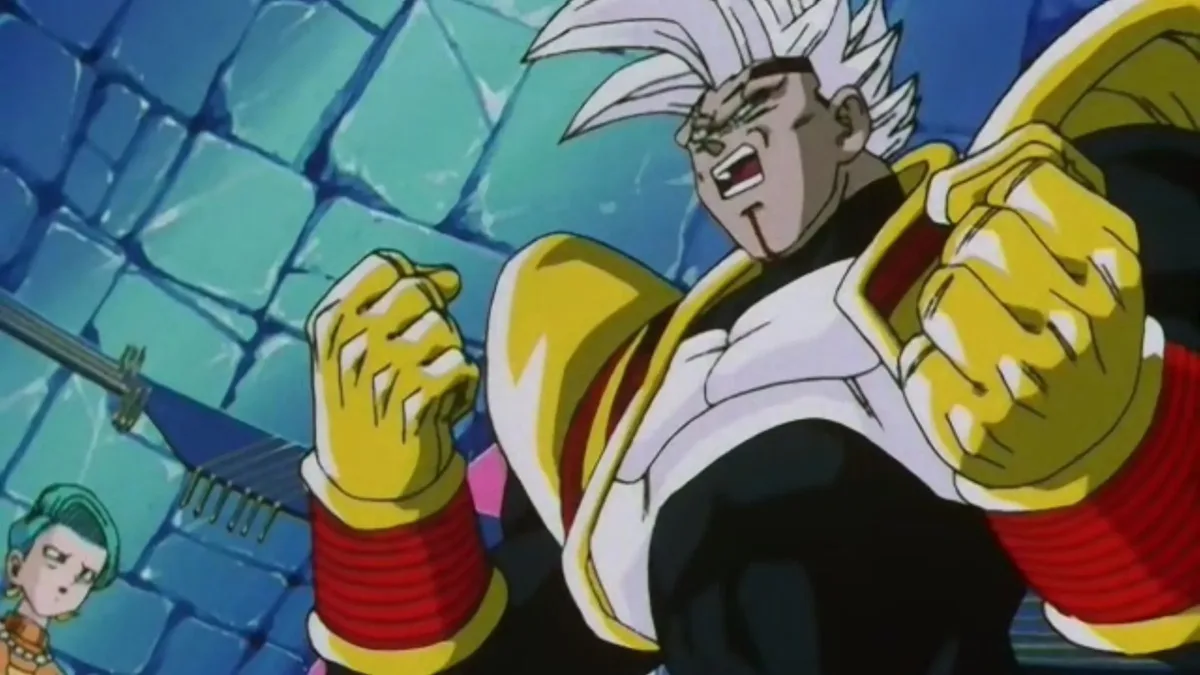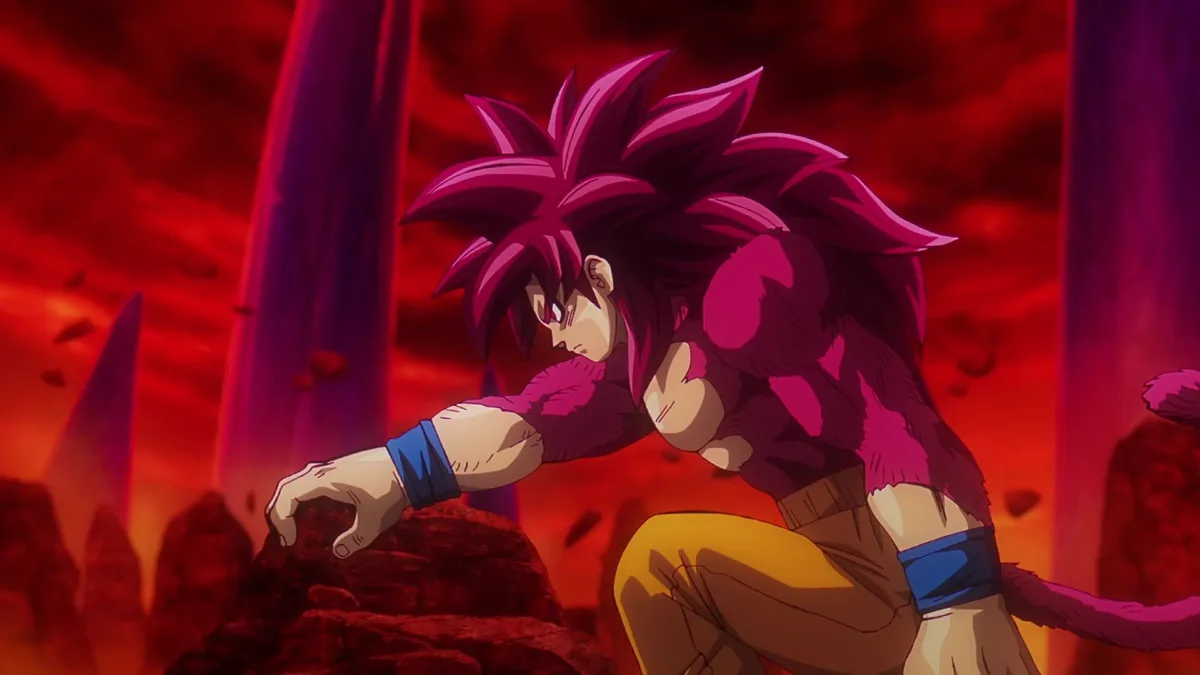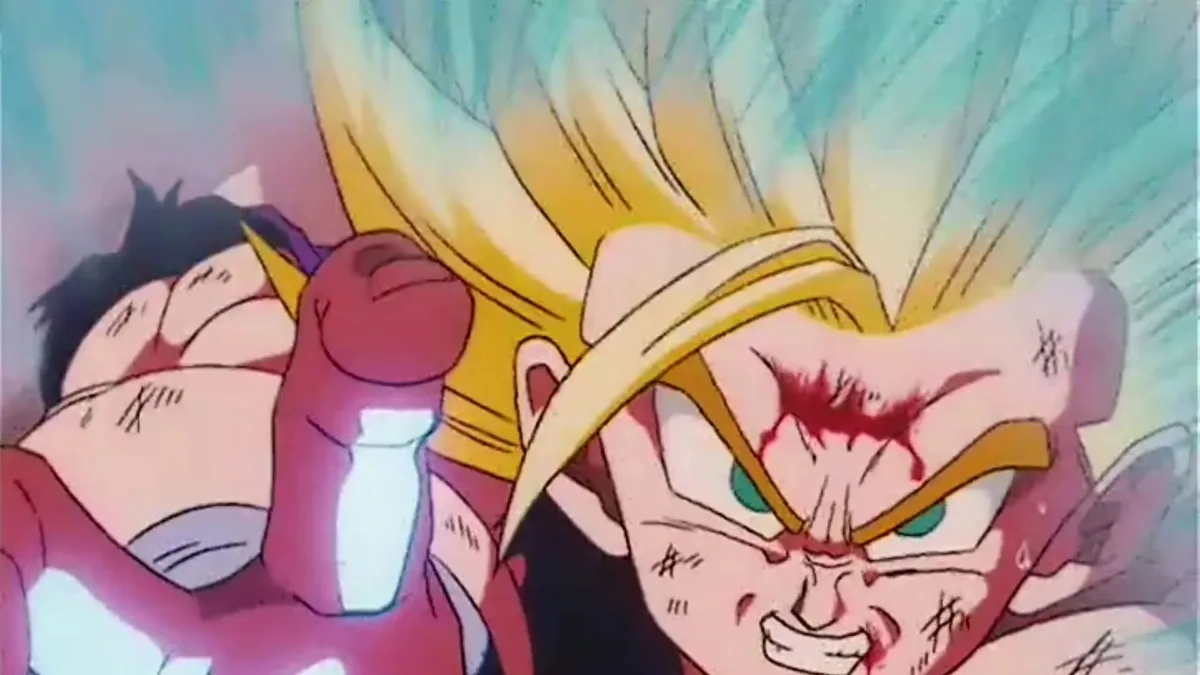
Throughout the multi-decade tenure of Akira Toriyama’s legendary shonen epic, Dragon Ball, few character arcs carry as much narrative weight—and lingering frustration—as that of Son Gohan. Introduced as a shy toddler with catastrophic latent power, Gohan was meticulously crafted to embody the ultimate generational handover. This trajectory reached its emotional zenith during the Cell Games saga, where Gohan achieved Super Saiyan 2, surpassing his father Goku and claiming the title of Earth's strongest defender. However, the subsequent shift back to Goku as the central protagonist fundamentally shifted the franchise's dramatic stakes.
The Broken Legacy
The transition from the Cell Arc into the Buu Saga initially teased a school-life superhero comedy that could have recontextualized Dragon Ball's core identity. By sidelining Gohan's warrior path in favor of academic pursuits, the narrative created a stark tension between his inherent desire for peace and his martial obligation. While Toriyama eventually granted Gohan the "Ultimate" awakening via the Old Kai's ritual, the climax of the Buu arc reverted to Goku delivering the final Spirit Bomb, effectively codifying Gohan as a secondary reactor rather than the primary hero.
In modern continuities such as Dragon Ball Super and the feature film Dragon Ball Super: Super Hero, late attempts to elevate Gohan via the "Beast" transformation demonstrate the lingering impulse to honor his original destiny. Yet for long-time readers and critics, these sudden power spikes often feel like reactive fanservice rather than the organic culmination of a multi-year narrative arc. By consistently retreating to Son Goku and Vegeta, the series opted for iconic familiarity over transformative storytelling, leaving Gohan’s true potential as one of anime's most captivating 'what-if' scenarios.