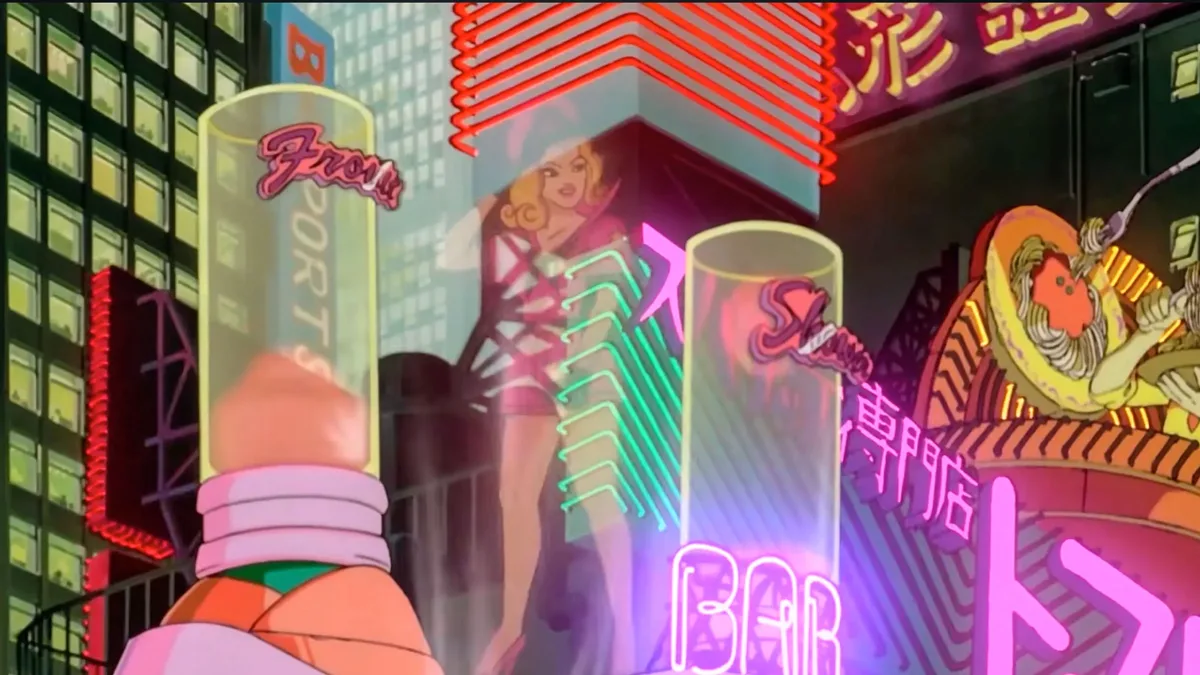
There are definitely movies that age badly, and films that look even better decades later. Then there’s the rare classic that defies all expectations. Imagine a futuristic metropolis pulsing with neon lights, roaring motorcycle gangs, and deep government corruption. Surprisingly, that dystopian tension remains rare in modern storytelling. Add psychic teenagers and a military experiment gone catastrophically wrong, and you have the recipe for timeless sci-fi.
Audiences in Japan first experienced this staggering science-fiction anime in July 1988. Initial reception from overseas critics was surprisingly chilly. Reviewers dismissed the narrative as chaotic and criticized the relentless violence. Yet, visionary directors, artists, and creators recognized a masterpiece worth studying. Its DNA eventually permeated Hollywood cinema, video games, and global music videos.
Akira and the Misunderstood Genius of Katsuhiro Otomo

Katsuhiro Otomo adapted his own seminal manga into a sprawling epic about a futuristic Tokyo struggling to rebuild after catastrophe. The rebuilt metropolis is a pressure cooker where motorcycle gangs terrorize crumbling asphalt, politicians vie for absolute authority, and military scientists conduct clandestine experiments behind closed doors. Childhood friends Kaneda and Tetsuo find their lives upended when Tetsuo acquires cataclysmic psychic powers following a covert military abduction. Soon, Neo-Tokyo's greatest danger is a volatile teenager losing his grip on reality.
More than 160,000 custom-drawn animation cels brought Otomo's vision to life, creating an urban ecosystem that felt dense and dangerously alive. When the film reached North America in 1990, mainstream publications struggled to contextualize its complexity. The Los Angeles Times famously wrote off the project as high-tech hokum, completely missing the cultural tidal wave about to hit.
The Enduring Blueprint for Hollywood and Gaming
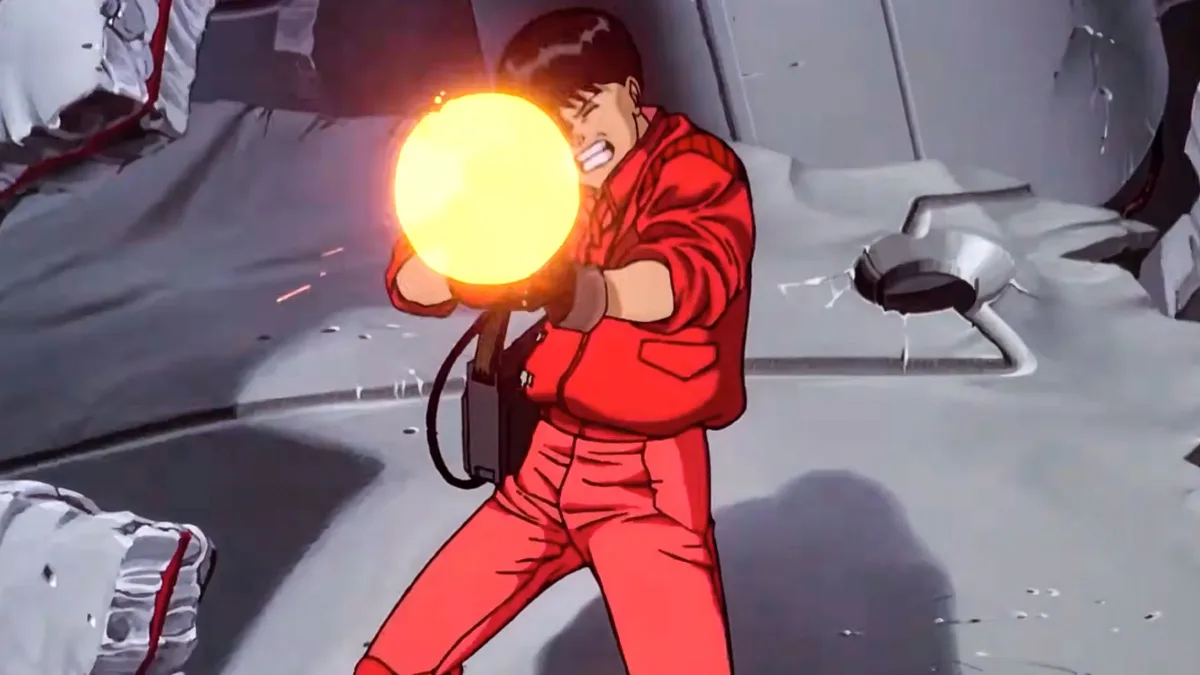
The fingerprints of Otomo's masterwork are etched across modern speculative fiction. The Wachowskis drew visual and thematic inspiration from its cyberpunk atmosphere while constructing The Matrix. Homages stretch from television hits like Stranger Things to high-profile music videos and comic book cover variants. Video game developers consistently channel its towering architecture and slick motorcycle designs into interactive worlds.
Ultimately, Akira proved that animation could transcend demographic constraints to deliver adult storytelling of unmatched ambition. Critics moved on to other releases, but artists returned to Neo-Tokyo time and time again, cementing a legacy that continues to outshine contemporary rivals nearly forty years later.