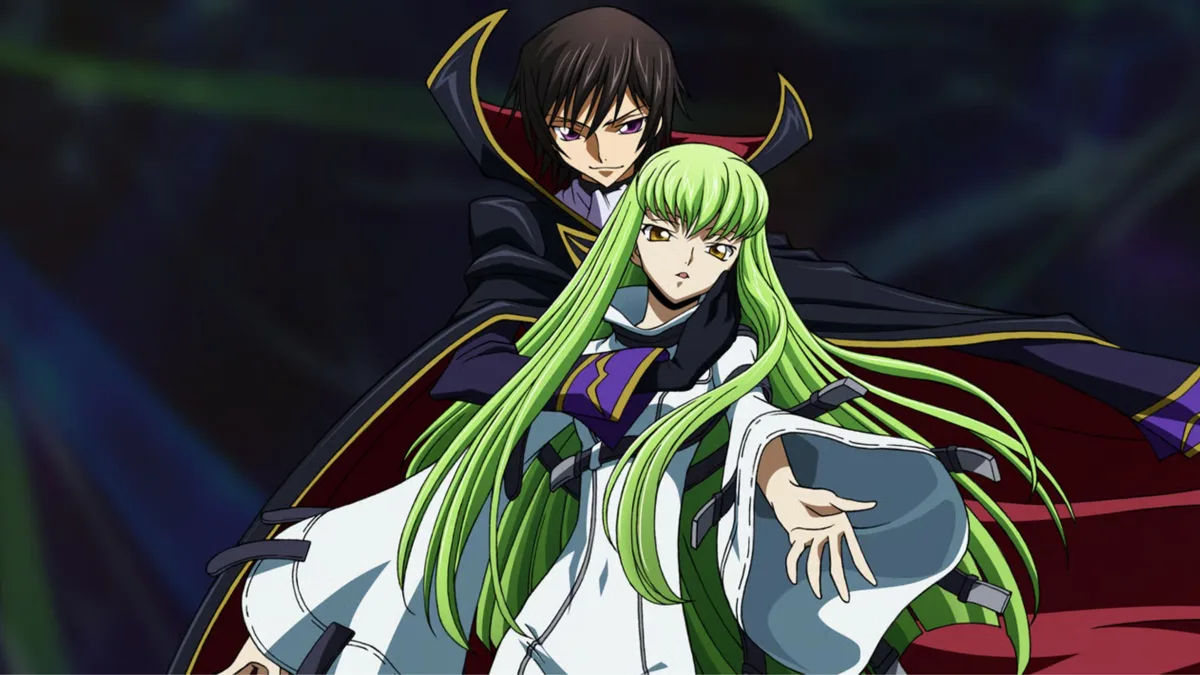
Two decades ago, the anime landscape was forever altered by the arrival of a complex psychological thriller disguised as a mecha series. Code Geass: Lelouch of the Rebellion, produced by studio Sunrise and directed by Goro Taniguchi, debuted to audiences who could scarcely imagine the massive cultural footprint it would eventually leave. Blending high-stakes political intrigue, supernatural mind control, and morally grey protagonists, the series challenged traditional shonen tropes and captured the imaginations of viewers worldwide.
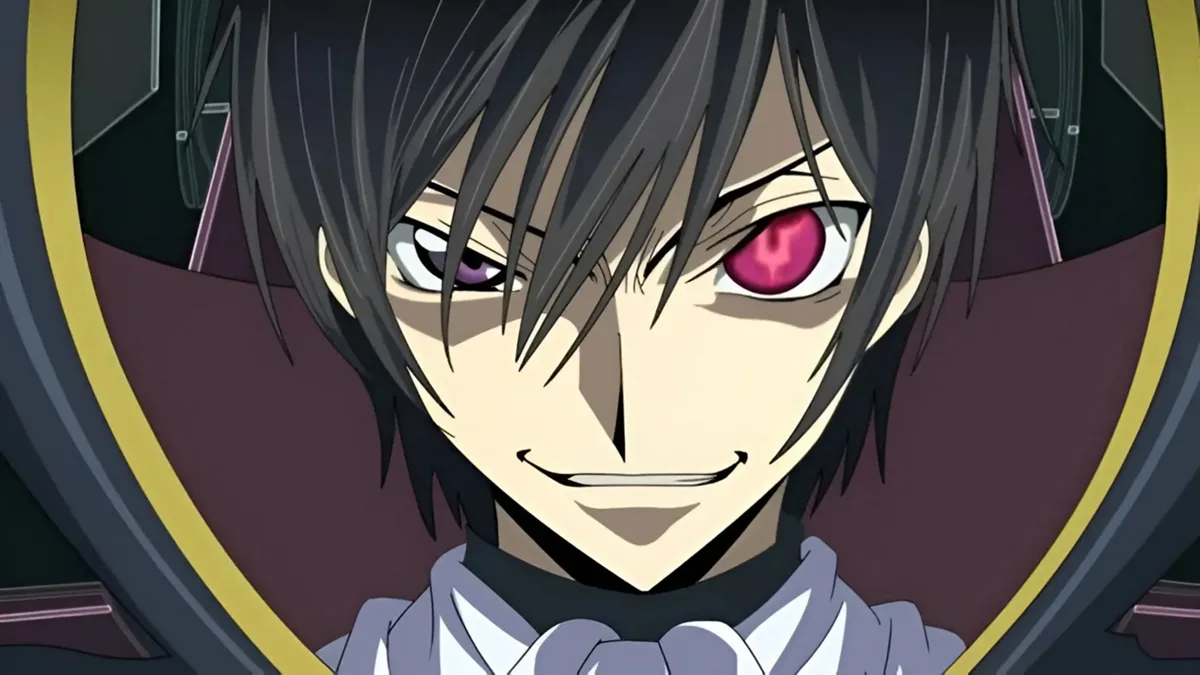
At its core, the story follows Lelouch vi Britannia, an exiled prince who gains the power of the Geass—an ability that compels absolute obedience—and uses it to launch a rebellion against the Holy Britannian Empire. The series thrived on unpredictable narrative twists, chess-like tactical battles, and a deeply flawed anti-hero whose crusade blurred the lines between justice and tyranny. Two decades later, its daring narrative choices and iconic character designs by CLAMP remain a masterclass in original animation writing.
The enduring appeal of Code Geass speaks volumes about its production pedigree. While modern anime seasons often rely on pre-existing manga source material, Code Geass was an original creation that commanded attention through sheer theatrical pacing and high production values. As fans celebrate its milestone legacy, the series stands tall as a defining pillar of 2000s television animation, proving that bold, morally complex storytelling continues to resonate across generations.