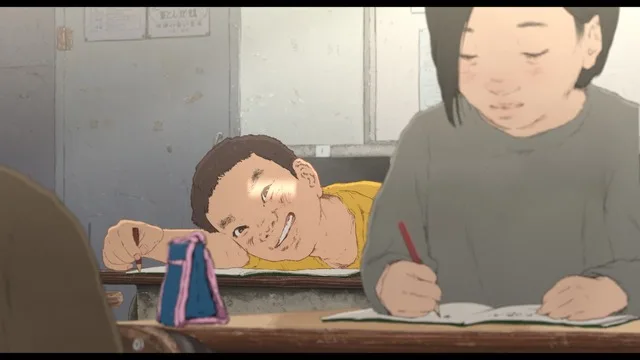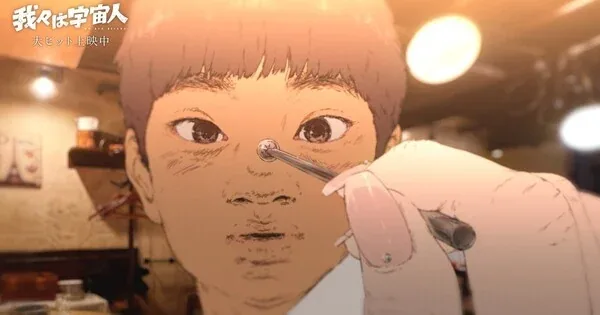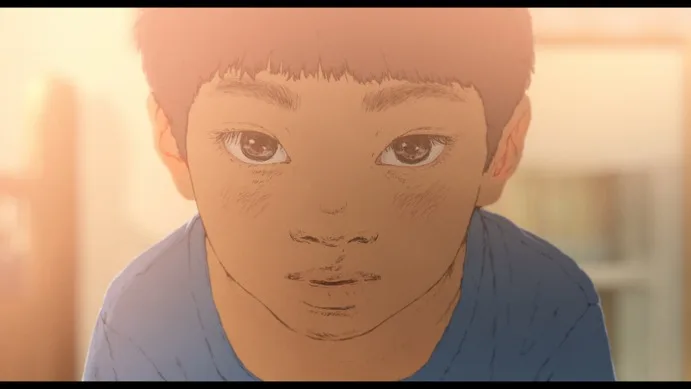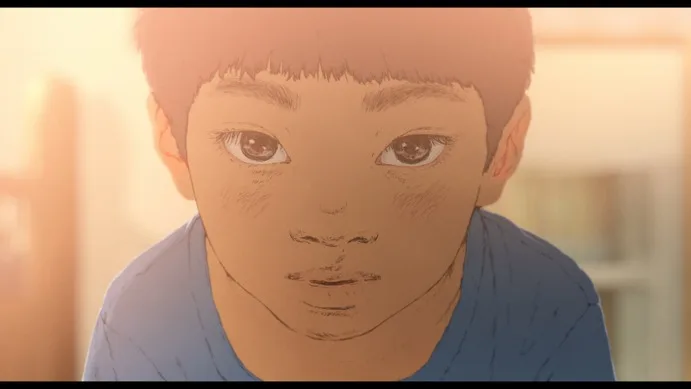
Kohei Kadokawa's feature-length anime film Wareware wa Uchujin continues to build strong momentum through word of mouth, surpassing 422 million yen in cumulative box office earnings and drawing over 262,000 attendees across 110 theaters nationwide. Following its premiere at the Cannes Film Festival Directors' Fortnight, the film has earned widespread critical acclaim at prestigious international events including Annecy, Ottawa, and Sitges.
The narrative unfolds in a Heisei-era rural town, centering on Tsubasa, an introverted boy struggling with ordinary life, and Akutaro, a charismatic classmate who becomes his closest friend. As peer pressure subtly shifts the social dynamic, Akutaro finds himself isolated by whispers and sideways glances. Tsubasa, caught between the desire to stand by his friend and the fear of becoming an outcast himself, stays silent. This pivotal fracture echoes across a span of thirty years.
Childhood Isolation and Social Realities
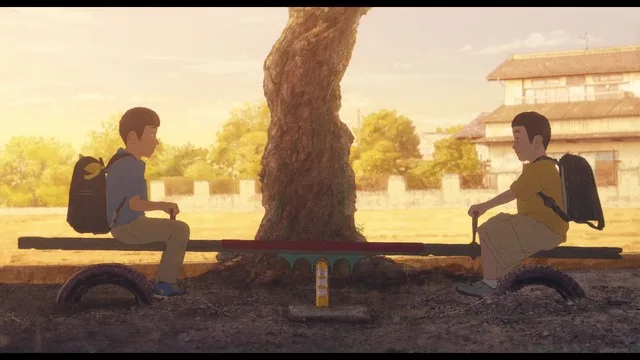
What distinguishes the film is its unflinching look at how children are alienated without a single designated villain. The whispers, collective gazes, and gradual distancing form a quiet machinery that pushes a child to the periphery. The label of being an alien or outsider serves as a mechanism to separate the group from the individual, reflecting the unspoken rules of schoolyard survival.
Director Kadokawa's approach avoids easy moralizing, acknowledging that Tsubasa's hesitation stems from a very real, childish fear of the unknown and social ostracization. The school environment is their entire universe, making adherence to its internal logic feel paramount.
Impressionistic Visuals and Lasting Resonance