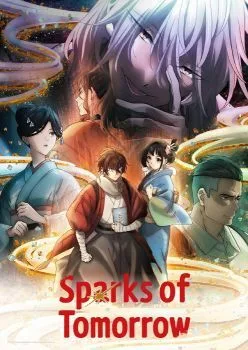
Alternate-history anime Sparks of Tomorrow has captured attention this season with its distinct visual identity, courtesy of esteemed studio Kyoto Animation. Adapting the light novel by Hiro Yuki, the series blends a retro-futuristic Meiji era setting with the dawn of electrical innovation. During Anime NYC, press members sat down with Art Director Mao Takayama and ending theme composer Ginger Root to discuss the creative pillars supporting the production.
Crafting an Oil-Painting Aesthetic
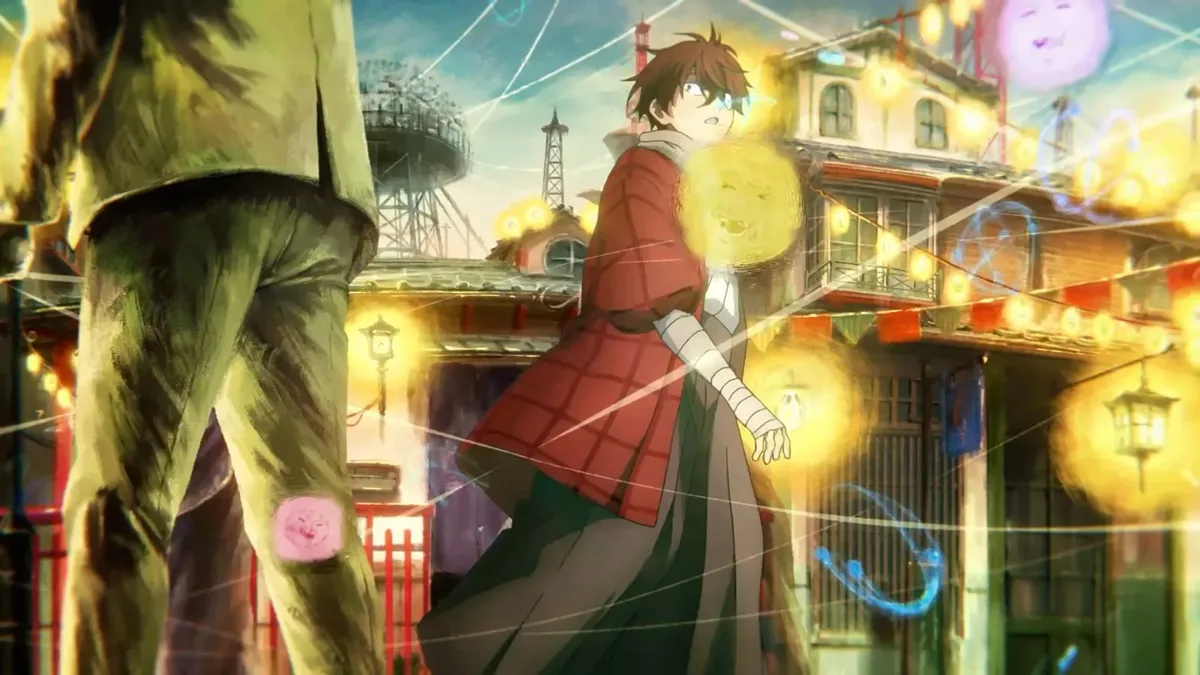
For Takayama, bringing the world of 1906 Kyoto to life required meticulous attention to detail and a distinct departure from standard digital workflows. The background art team leaned heavily into impressionistic brush strokes to evoke a textured, painterly atmosphere reminiscent of classical oil paintings.
When we’re working on the background art we really want to focus on making it as close as possible to an oil painting. Whenever art will be finished, they will communicate whether it was okay, and really focus on creating this oil painting style.
Mao Takayama, Art Director
Drawing inspiration from legendary background artist Nizo Yamamoto, Takayama explained that the in-house nature of Kyoto Animation allowed for seamless communication, ensuring that the unique visual balance between historical architecture and steampunk elements remained cohesive across every cut.

Composing the Sound of Tomorrow
Musical artist Ginger Root approached the ending theme, "Soarin'," by bridging their signature retro soundscape with the thematic demands of an early 20th-century narrative. Working closely with director Minoru Ota, the composer deliberately opted for electronic textures over traditional instruments to symbolize the futuristic promise of electricity within the story.
The opening is acting like 'Here is the Meiji era, here is stuck in time, very traditional.' But then with the ending theme he wanted it to actually sound electronic — what would the future that all the characters, with what the electricity catalog is, what those ideas may offer.
Ginger Root, Musician
Ginger Root also noted the unique challenge of composing the 89-second television version prior to final animation, highlighting how collaborative synergy between music and visual design helped shape the emotional aftertaste left with viewers at the end of each episode.