For over two decades, the hierarchy of strength across the Grand Line seemed firmly rooted in Devil Fruit classifications and the sheer physical potency of Logia elements. However, as Eiichiro Oda navigates the final saga of One Piece, the narrative architecture underlying the world's greatest abilities has fundamentally pivoted. Discoveries made through Dr. Vegapunk's scientific disclosures on Egghead Island and the legendary clashes across Elbaf reveal that combat superiority is not merely an accumulation of supernatural anomalies, but a direct manifestation of human will and existential desire.
The Metaphysics of Desire and Will
The long-standing belief that Devil Fruits represent the absolute pinnacle of supernatural might has been systematically dismantled. Through Vegapunk's revelations, Devil Fruits exist as tangible embodiments of human evolution—the varied possibilities of what humanity wished to become, naturally estranged by Mother Sea. Yet, as Gol D. Roger proved by conquering the seas without a fruit, raw desire remains secondary to pure ambition. The true apex mechanism remains Haki, specifically Advanced Conqueror's Haki, which operates as an unyielding assertion of individual spirit capable of nullifying even the most absurd Devil Fruit abilities.
Narrative Repercussions for the Final Saga
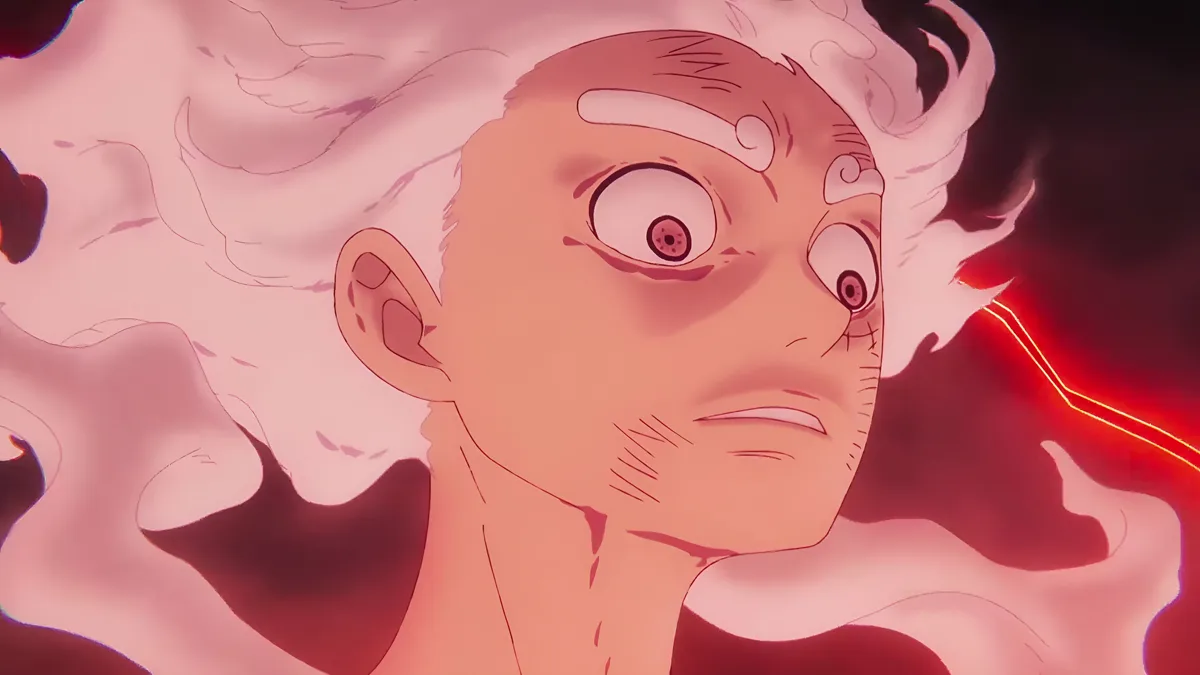
This thematic re-centering carries significant structural weight for the conflicts ahead. By subordinating Devil Fruit sorcery to the primacy of personal will, Oda shifts the stakes away from escalating power levels and reorients them toward philosophical clash. Characters like Monkey D. Luffy and Marshall D. Teach do not merely represent conflicting tactical skill sets; they embody opposing existential philosophies vying to reshape the world order.