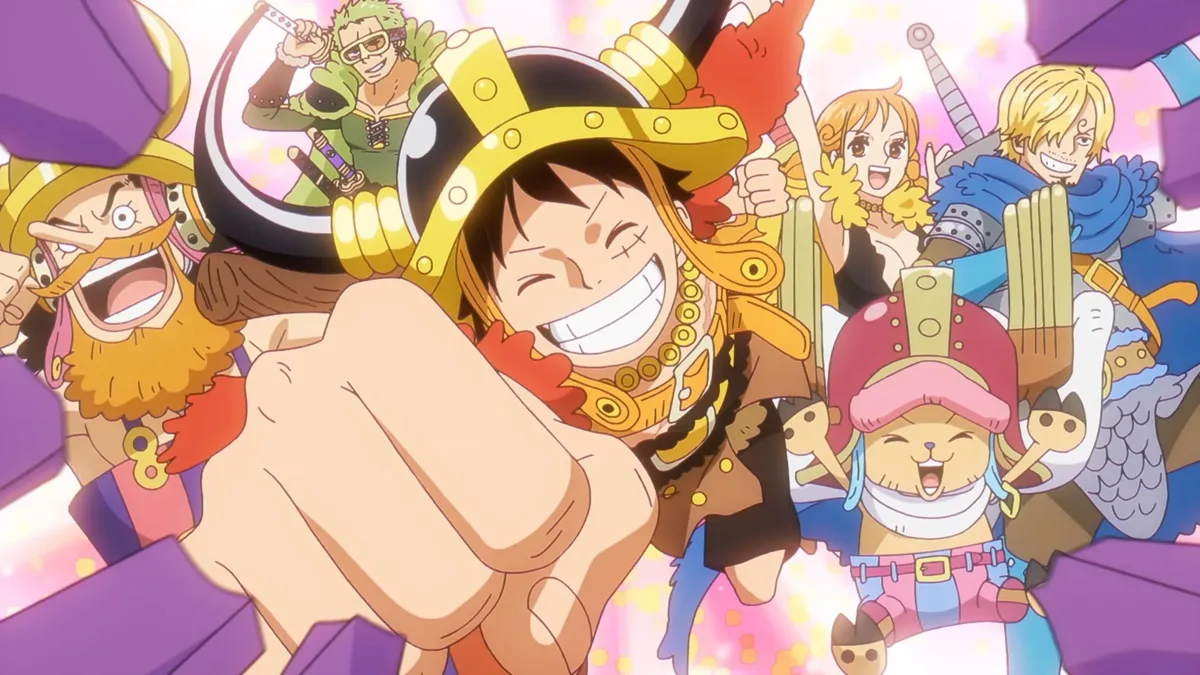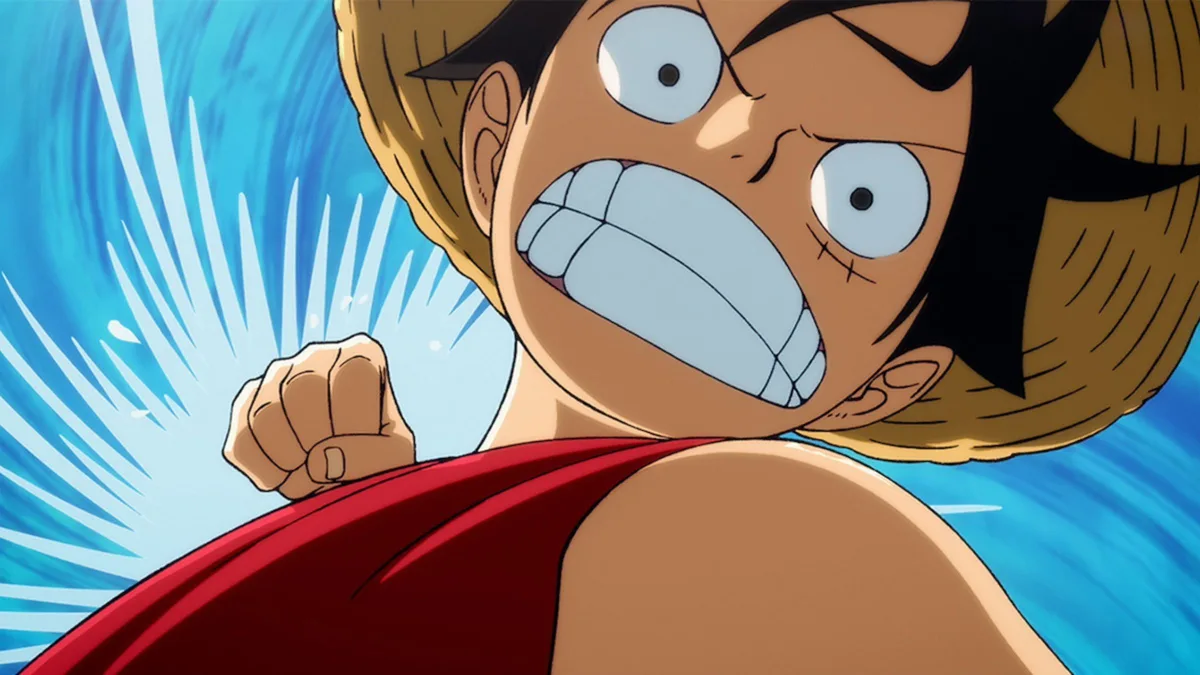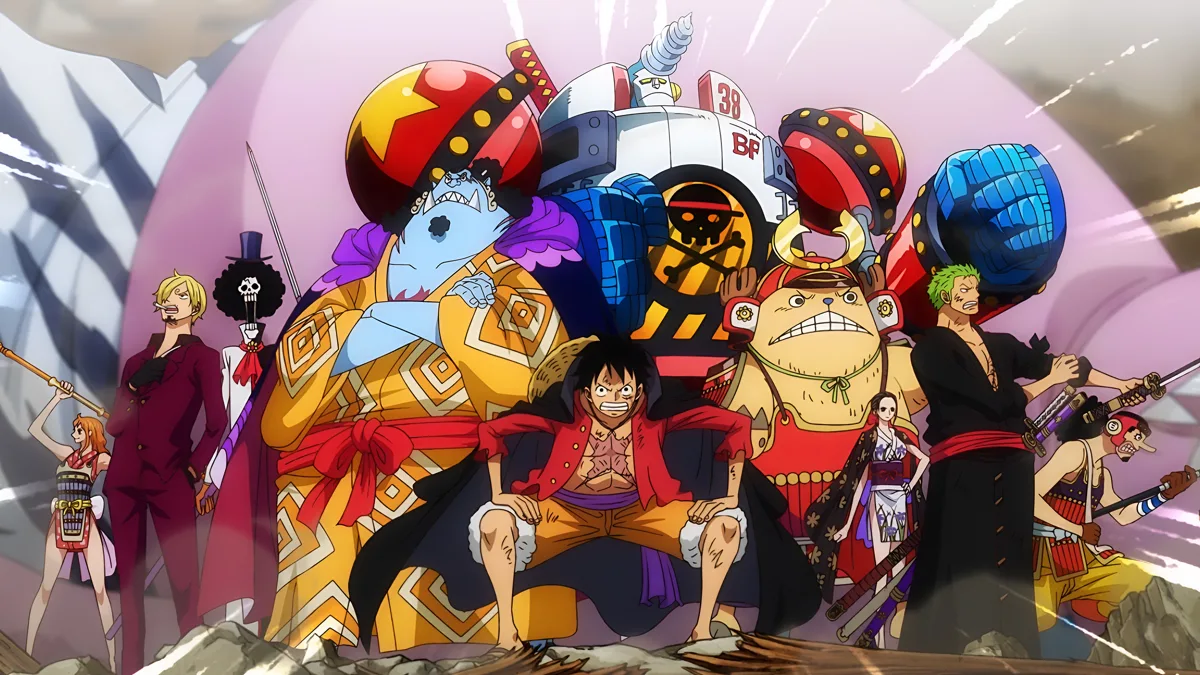
When Eiichiro Oda introduced Monkey D. Luffy to the world, the protagonist of One Piece was defined primarily by boundless optimism, rubber powers, and a somewhat naive dream of claiming the One Piece. However, the East Blue saga's climactic conflict—the Arlong Park arc—fundamentally restructured the emotional core of Toei Animation's monumental series, cementing Luffy not just as a strong fighter, but as a true captain capable of bearing the weight of his crew's suffering.
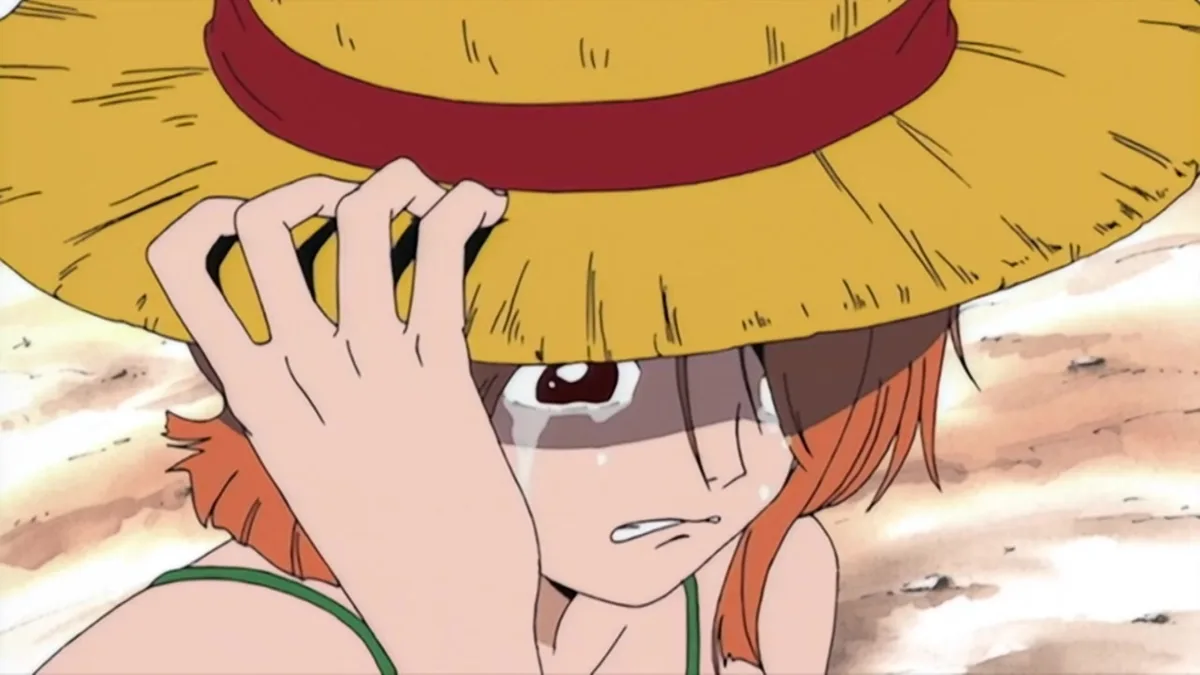
For much of the early journey, Luffy’s approach to leadership was largely organic and care-free. The arrival in the village of Cocoyashi and the tragic history of Nami forced an abrupt shift in narrative maturity. When Nami breaks down in tears and begs for help, refusing to let her friends sacrifice themselves for a corrupt fish-man empire, Luffy responds with quiet resolve, placing his straw hat upon her head. This iconic gesture remains one of the most resonant visual turning points in shonen history.
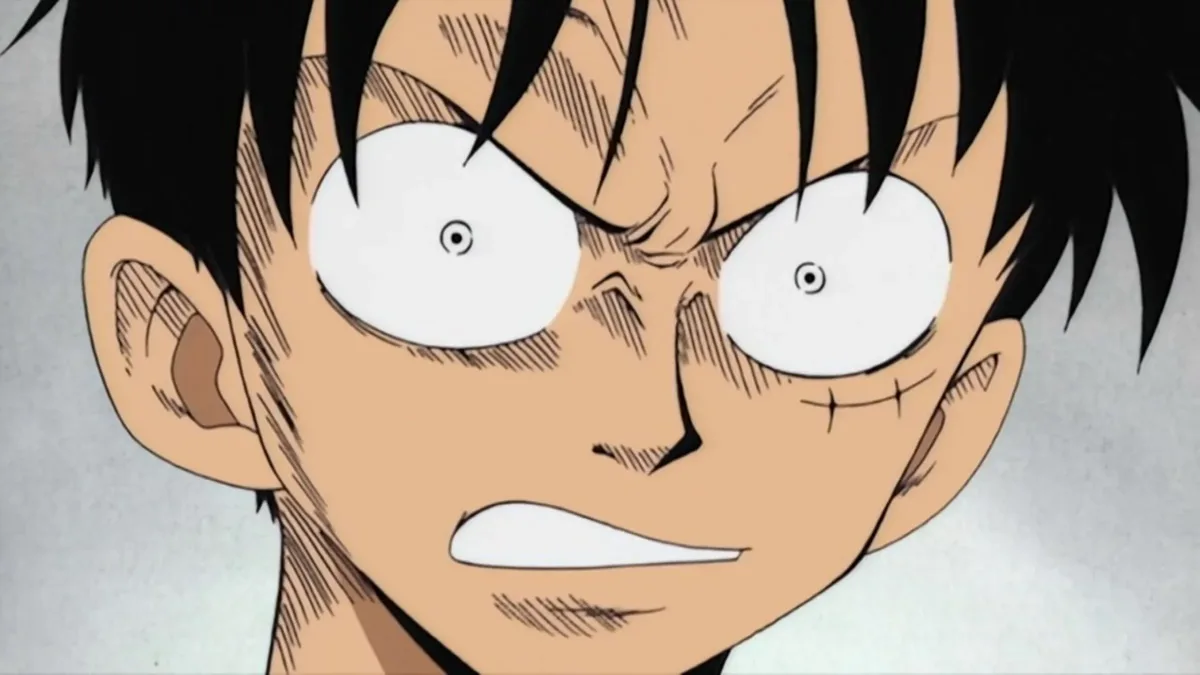
The subsequent assault on Arlong Park is less about physical dominance and more about ideological validation. By destroying Arlong’s architectural symbol of oppression and declaring Nami as his nakama, Luffy established the foundational code of the Straw Hat Pirates: absolute loyalty and the refusal to let anyone suffer in silence. It transformed One Piece from a standard adventure romp into an epic masterclass on found family and leadership responsibility.