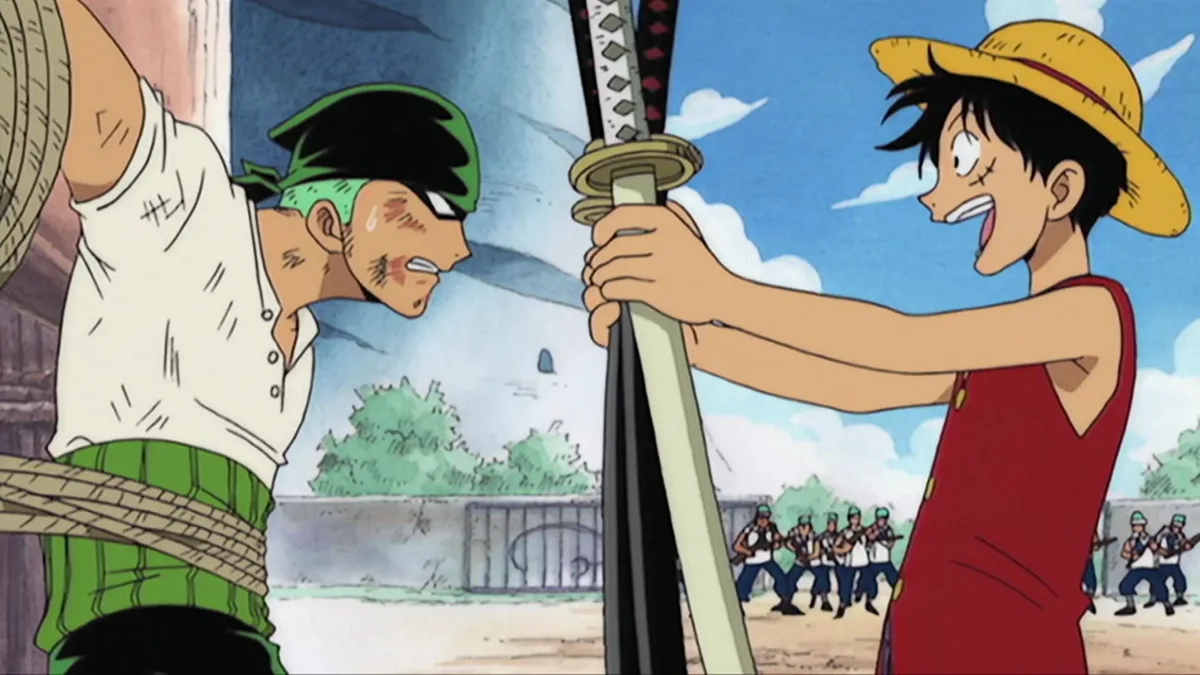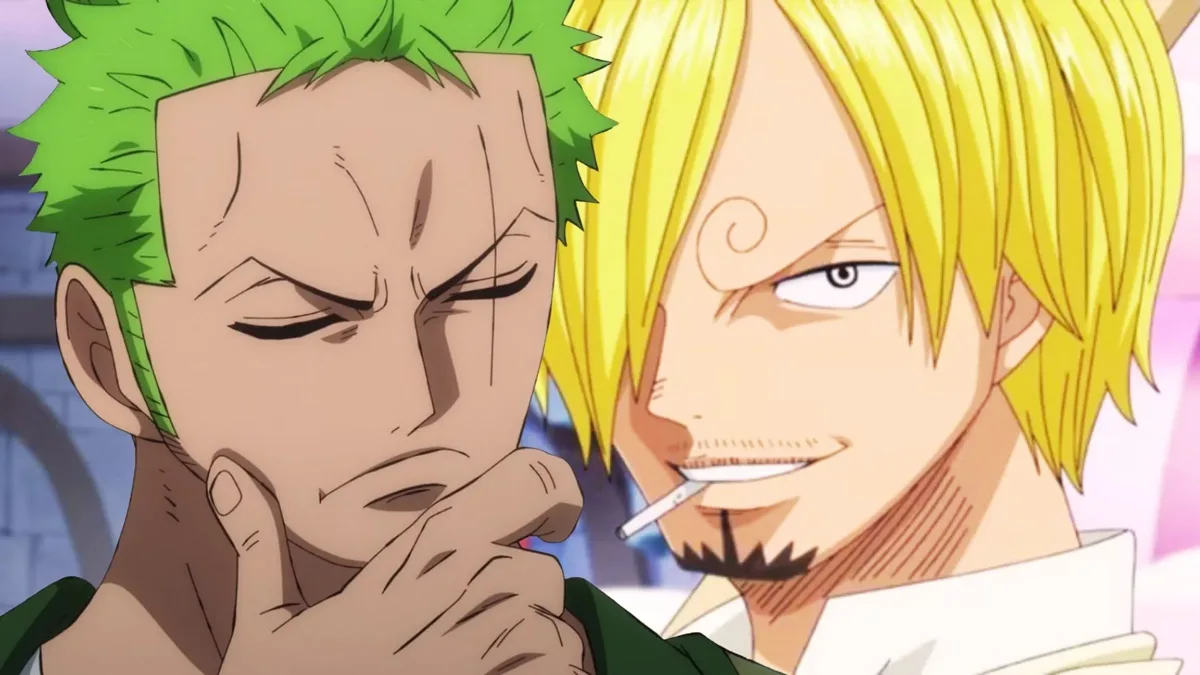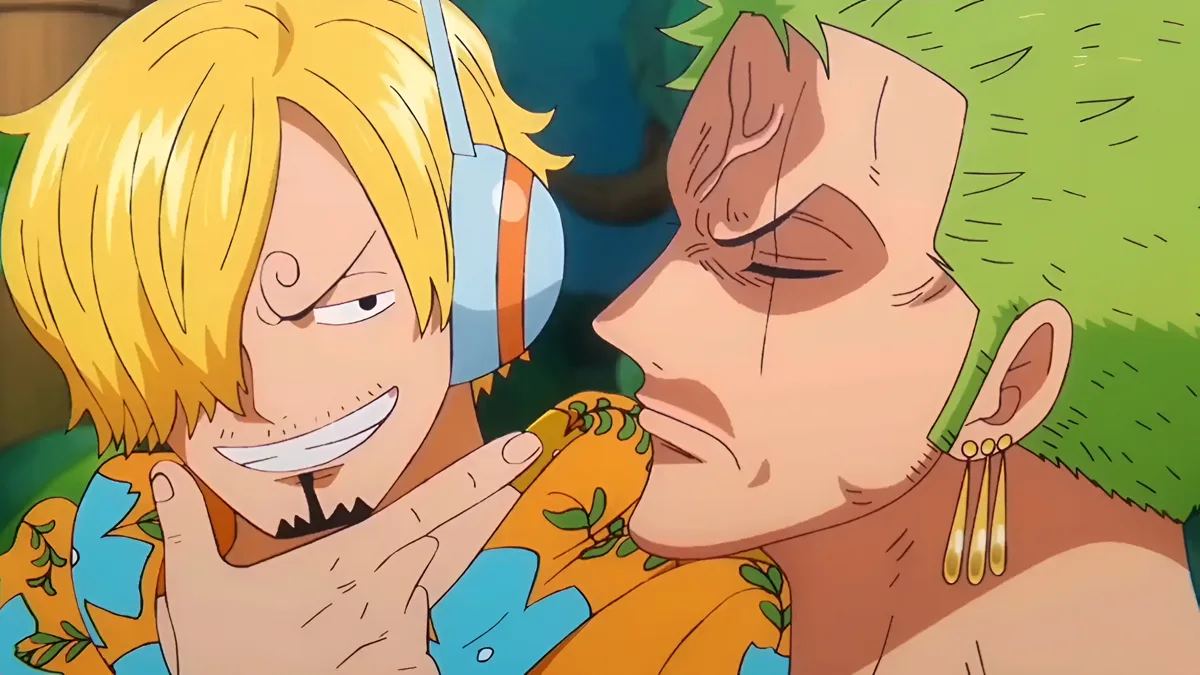
The long-standing debate surrounding Roronoa Zoro and Vinsmoke Sanji remains one of the core discussions within the One Piece fandom. Recognized as the Wings of the Pirate King, both combatants serve as essential pillars supporting Monkey D. Luffy’s dream. While Zoro operates as the primary swordsman with martial focus, Sanji fulfills the essential role of ship cook while delivering formidable kick-based combat. Over nearly three decades of serialization, creator Eiichiro Oda has consistently balanced their prowess, yet their character writing trajectories reveal distinct editorial priorities.
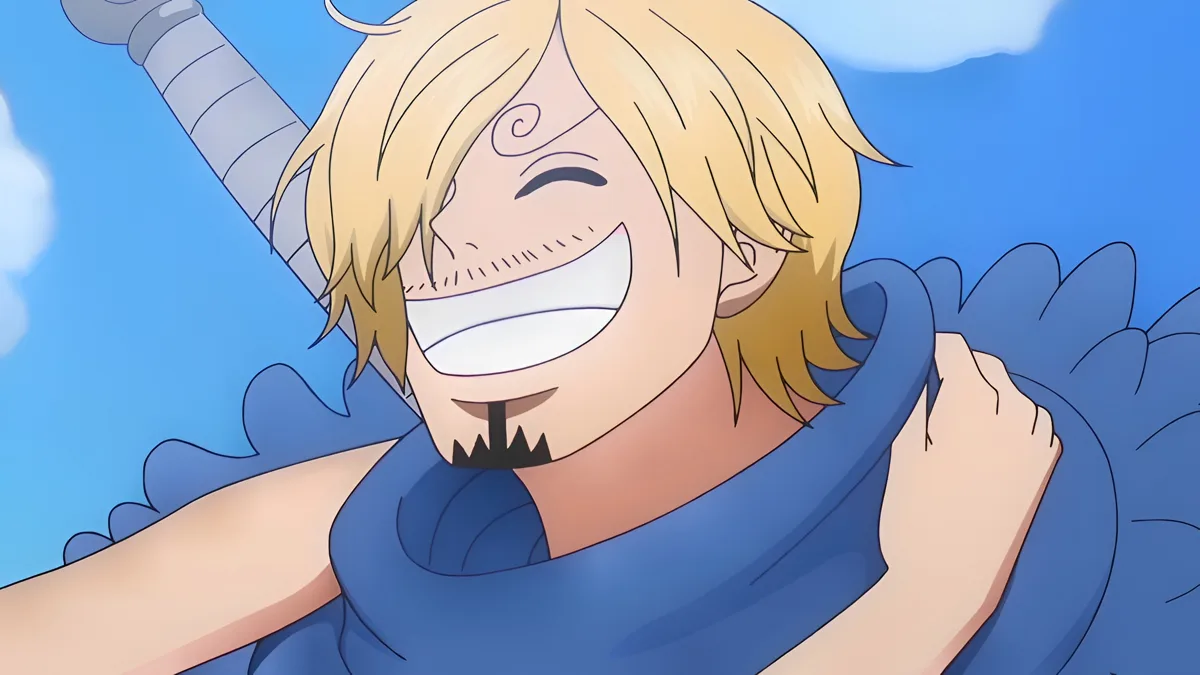
Emotional Arc Meets Haki Awakening
Sanji’s growth has unfolded gradually across multiple sagas. Introduced during the Baratie Arc, his initial foundation centered on strict culinary ethics forged during his survival alongside Zeff. The narrative expanded drastically during the Whole Cake Island Arc, which exposed his traumatic childhood under the Vinsmoke royal line. Rejecting his family's artificial enhancement philosophy allowed Sanji to rebuild his identity, culminating in his personal evolution throughout Wano and the current Elbaph Arc.
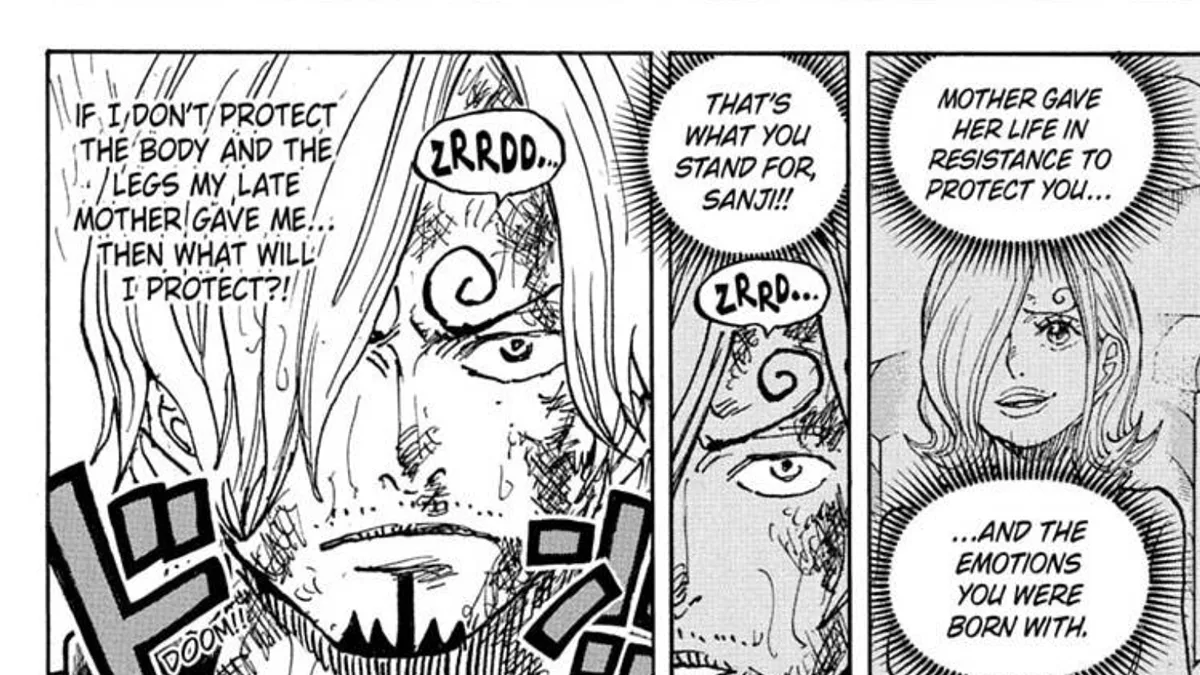
In Chapter 1197, Sanji unlocks Conqueror’s Haki, a milestone rooted deeply in his emotional breakthrough. Unlike standard power increments, this awakening directly ties to his resolution of long-held self-doubt and sacrificial tendencies. By learning to value his own life and openly relying on allies such as Nico Robin, Sanji fulfills the emotional criteria required to manifest supreme willpower.
The Contrast with Zoro's Trajectory
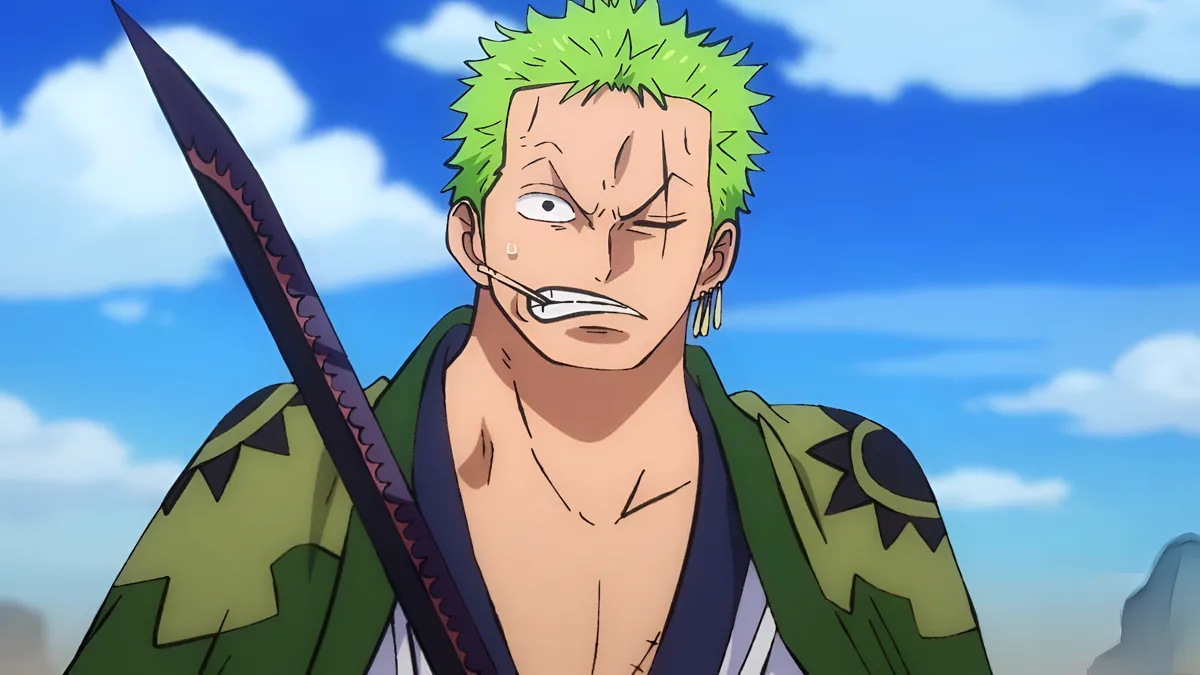
By contrast, Roronoa Zoro’s narrative focuses heavily on martial mastery and absolute dedication to combat prowess. While his lineage traces back to famous Wano figures, his character arc prioritizes martial achievements over psychological exploration. Zoro’s manifestation of Conqueror’s Haki occurred predominantly in combat scenarios against Kaido’s forces, offering raw power contrast to Sanji’s character-driven realization. Both figures remain integral to the Straw Hat Pirates, yet Oda’s structural choices highlight two distinct approaches to character development within long-form Shonen manga.