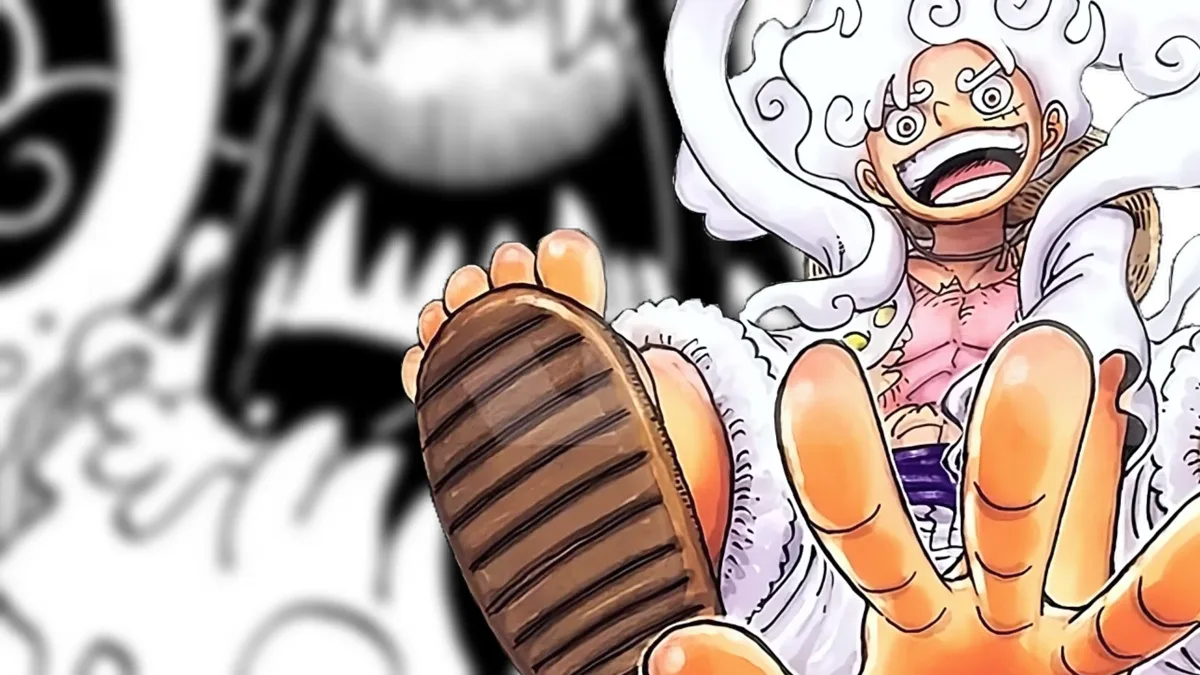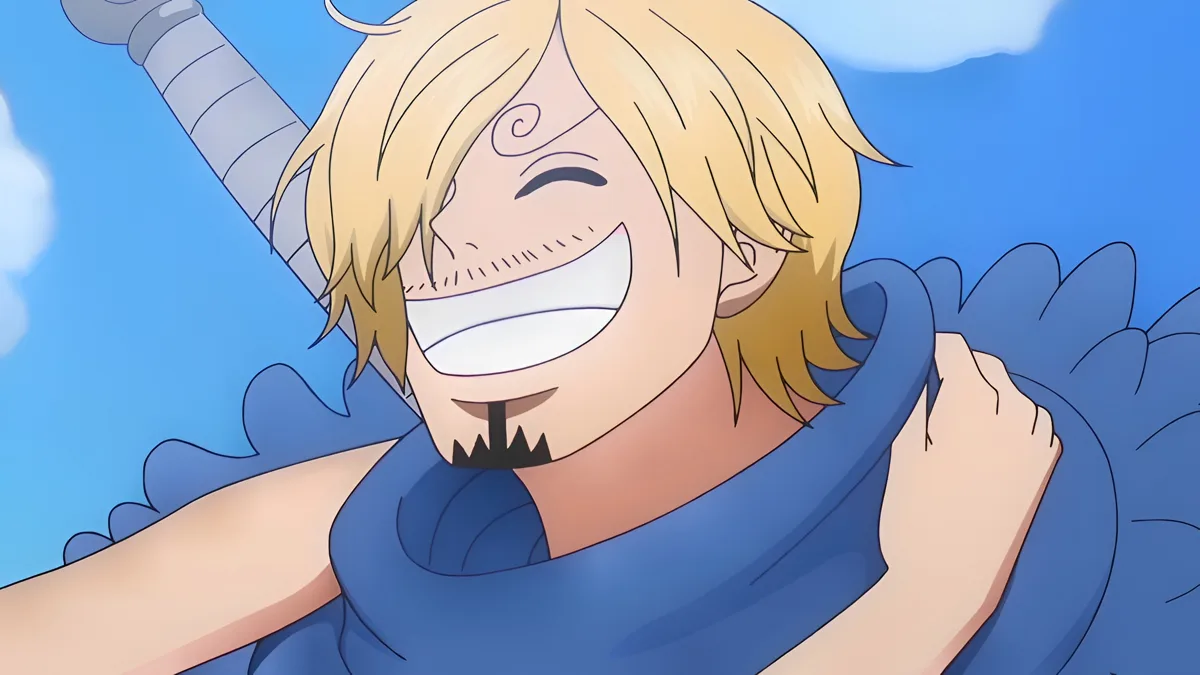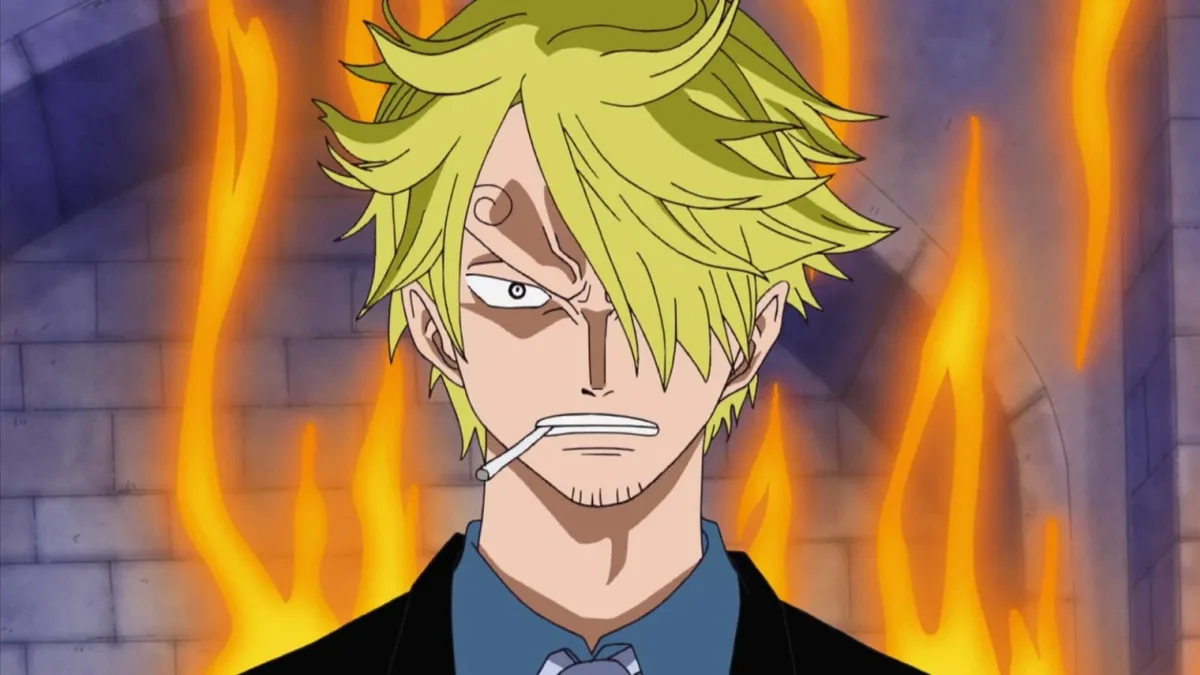
The narrative momentum of the Elbaph arc in Eiichiro Oda's One Piece continues to weave high-stakes combat with long-term lore resolutions. As the Straw Hat Pirates navigate the giant realm, the mastery of Supreme King Haki has taken center stage against opponents impervious to standard attacks. While Roronoa Zoro has long demonstrated proficiency with Conqueror's Haki, recent chapters have addressed Sanji's evolving capabilities, culminating in an explicit character statement regarding his place alongside Monkey D. Luffy.
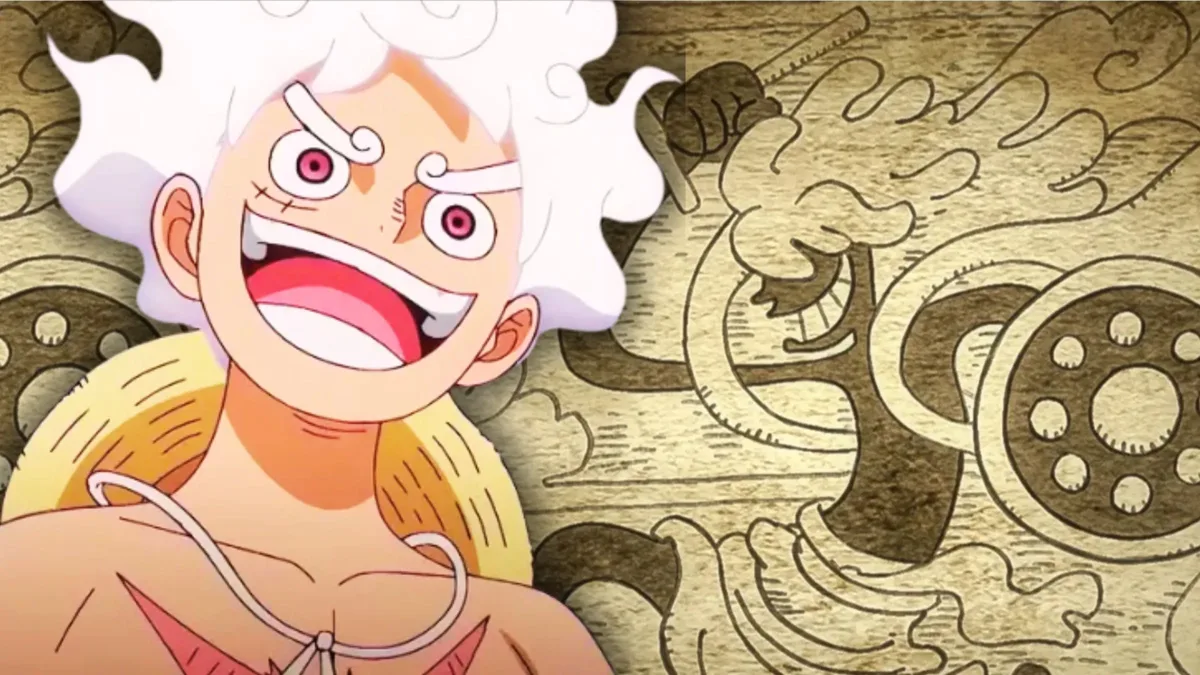
Sanji's recent declaration—positioning himself as Luffy's shield while Zoro serves as his sword—recontextualizes their dynamics within the broader mythology of the series. This distinction directly mirrors the ancient depictions of Sun God Nika introduced during Chapter 1136. In Elder Jarul's account of the giant legends and the subsequent Harley mural, the deity presiding over the Third World is depicted bearing a sword in his right hand and a shield in his left.
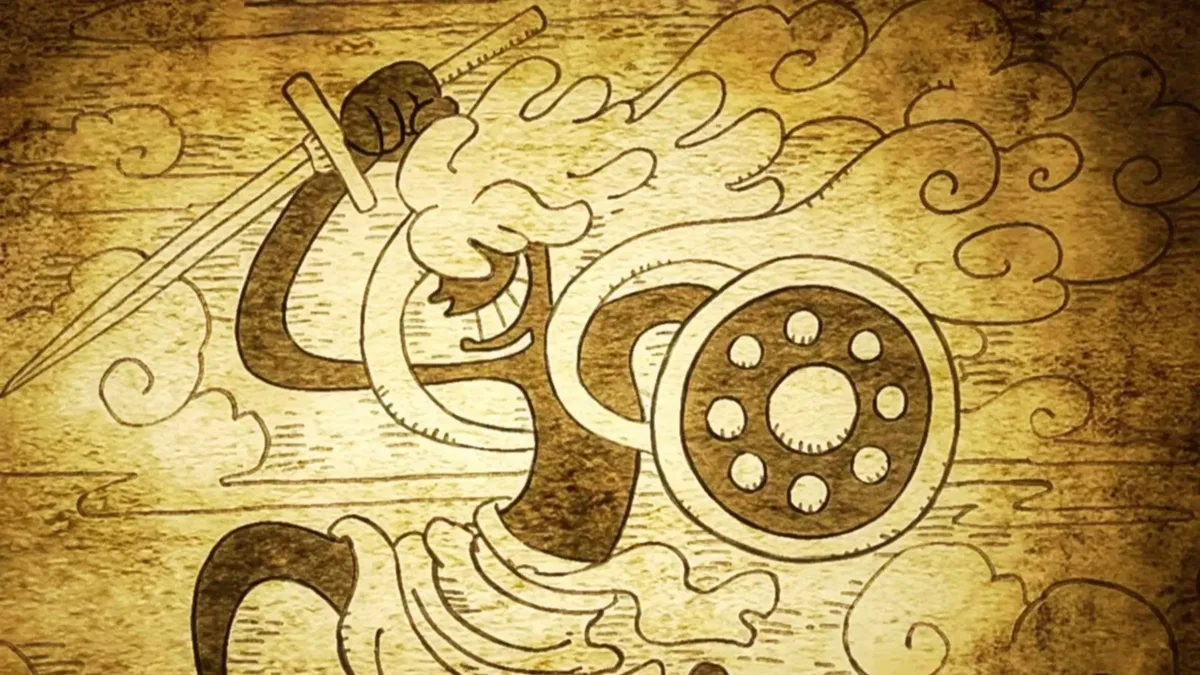
Because Luffy relies strictly on his Devil Fruit powers and physical Haki rather than handheld weaponry, Oda's choice to arm the legendary Sun God with dual tools serves as symbolic foreshadowing. Zoro and Sanji represent the dual pillars sustaining Luffy's ascension in the Final Saga. As the confrontation against Imu and the World Government escalates, these complementary roles highlight how deeply Oda planned the core narrative beats of his world-building decades in advance.