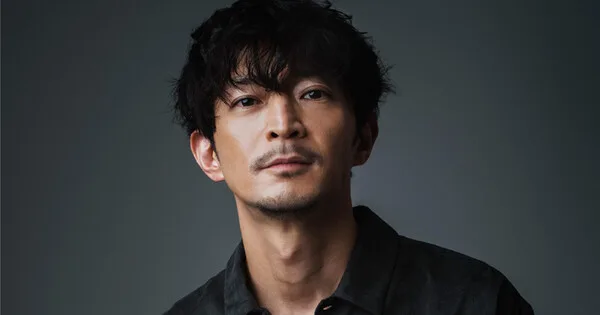
The Tokyo District Court has officially dismissed a high-profile lawsuit filed by renowned voice actor Kenjiro Tsuda against the operator of the popular video-sharing platform TikTok. The legal action centered on allegations that the platform hosted numerous videos utilizing unauthorized generative artificial intelligence to replicate Tsuda's distinctive low-pitched, husky vocal timbre without his explicit consent.
Legal representatives for Tsuda initially pursued the removal of nearly 188 distinct videos focusing on urban legends and conspiracy theories, posted between July 2024 and September 2025. Investigations indicated that the account operator generated substantial monthly revenues ranging between 500,000 and 750,000 yen. Tsuda's camp argued that the synthetic narration misled audiences by mimicking his signature voice, thereby violating the Unfair Competition Prevention Act and established rights of publicity.
Court Ruling and Legal Defense Arguments
In its defense, the Singapore-based corporate entity operating TikTok in Japan noted that the contested videos had already been taken down following the initial filing in November 2025. Consequently, the court concluded that the plaintiff no longer maintained a direct legal interest in pursuing the ongoing litigation. The defense had previously maintained that the narration utilized a generic male voice trained on an acquaintance's vocal data rather than Tsuda's, denying any deliberate infringement upon publicity rights or consumer confusion.
This landmark judicial proceeding unfolds alongside broader legislative developments in Japan. Recently, an expert panel convened by the Ministry of Justice issued formal guidelines affirming that the distinctive voices of professional voice actors and performers warrant legal protection under the right of publicity, paralleling safeguards traditionally reserved for visual likenesses and photographs.