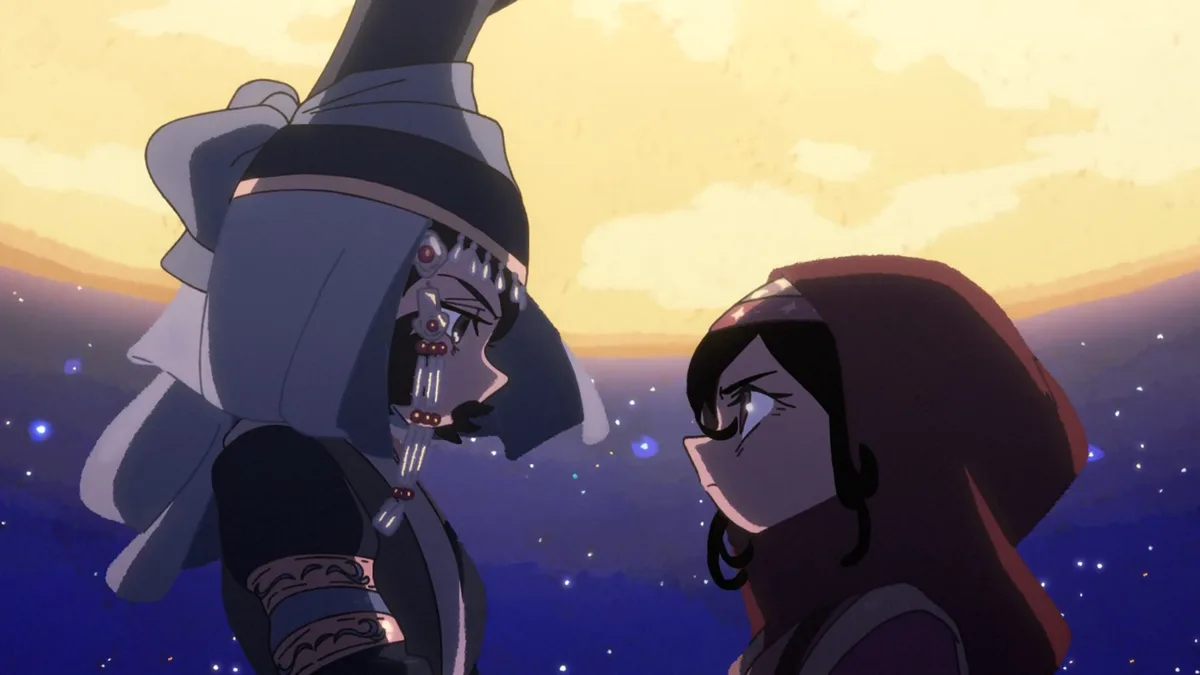
Rather than merely coasting on the momentum of its rich historical research, Jaadugar: A Witch in Mongolia mounted a determined effort across its second half to stave off production exhaustion. Handled by studio Science SARU under the creative guidance of series director Abel Gongora and chief director Naoko Yamada, the adaptation closed out its broadcast run with an exceptionally curated lineup of guest directors, storyboarders, and legendary animators.
A Clash of Visions
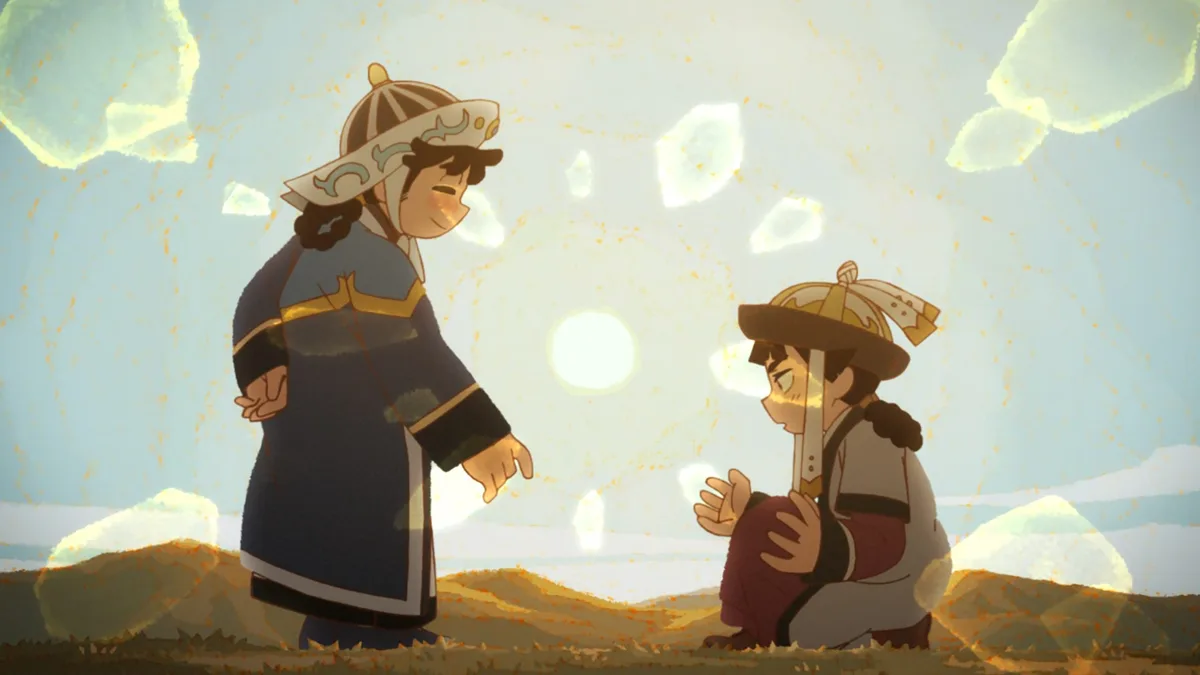
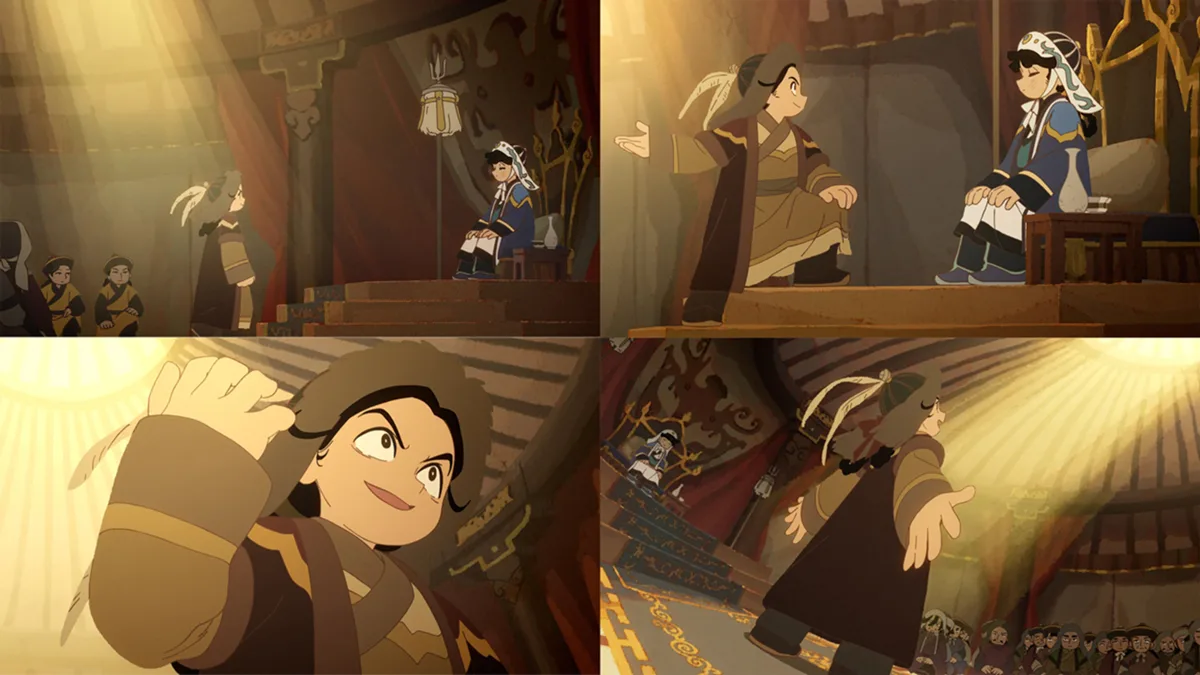
Following the midpoint landmark storyboarded by former Studio Ghibli maestro Masashi Ando, the series navigated its complex political turmoil through distinct directorial voices. Episode #07 brought director Yujiro Abe and the storyboarding debut of animator Nick McKergow, using high overhead framing to emphasize how Tolui's radiant charisma commands attention across the Mongol court. This visual grammar contrasted sharply with the more intimate approach of episode #08, handled by emerging talent Asami Murakoshi, which grounded Sitara’s medical discoveries and daily culinary preparations in soft, poetic palettes reminiscent of Yamada's signature character acting.
Spiritual Geometry
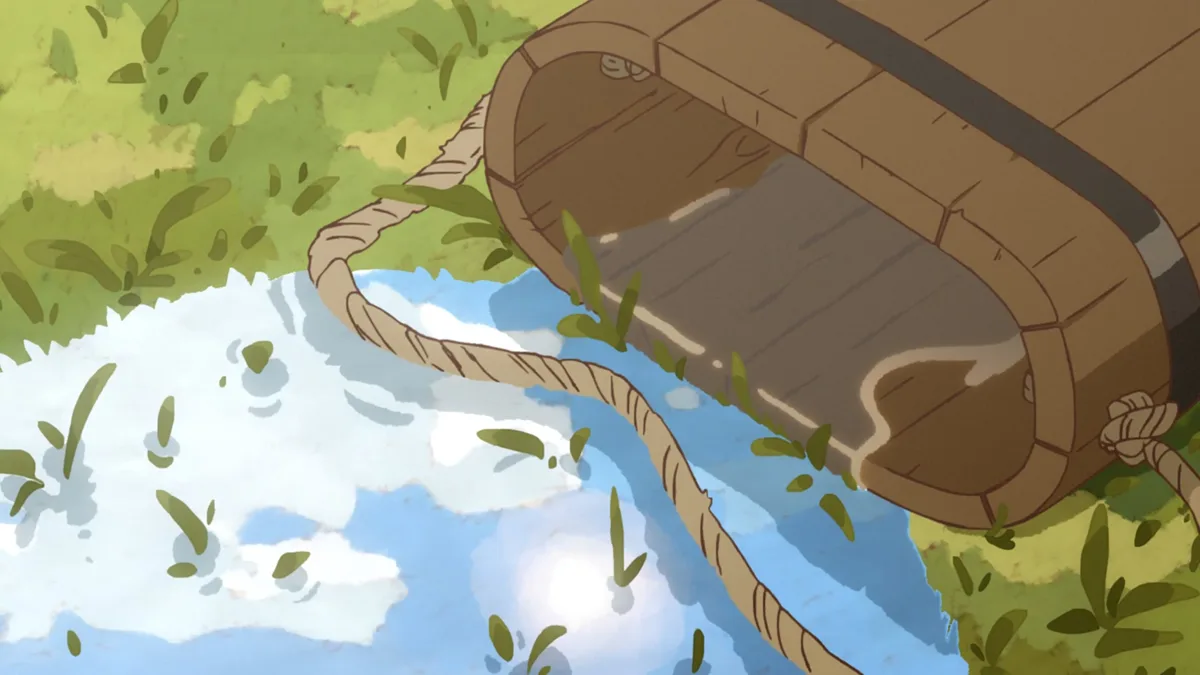
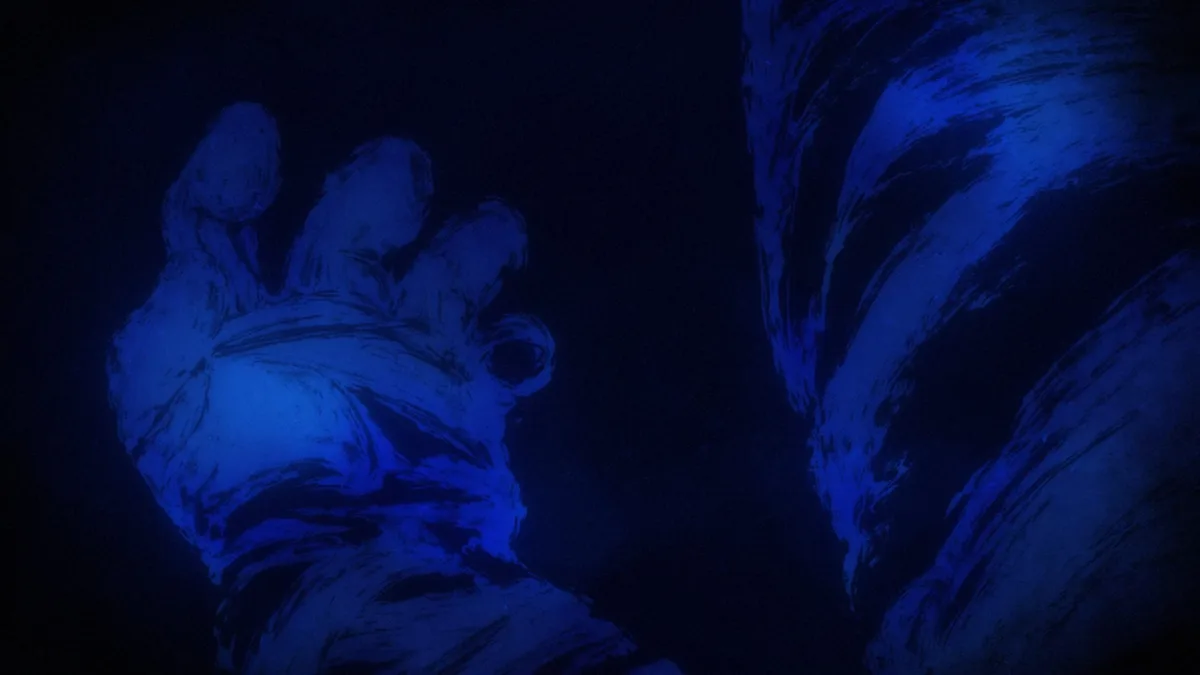
As the conflict shifted toward ritual and the spiritual realm in episodes #09 and #10, the production introduced striking stylistic variations. Kotaro Matsunaga and Kenji Zenba leveraged digital lighting and exaggerated perspective distortion to depict the spiritual planes encountered by Ögedei and Tolui. Zenba, drawing on the kinetic legacy of Masaaki Yuasa, introduced angular geometries and stylized creature animation while respecting the show's strict aesthetic mandate: honoring Persian and Mongolian miniature traditions by deliberately limiting gratuitous 3DCG and loose deformations.
Labor and Legacy
The ambitious scope of the project came at a real cost, highlighting chronic industry pressures. Character designer and chief animation director Kenichi Yoshida noted the severe strain of the production schedule. To safeguard critical character movements from in-betweening degradation, veteran animators like Shinji Otsuka and Masashi Ando provided full key animation cuts without intermediate subcontracted in-betweens, ensuring pristine draftsmanship during vital narrative turning points.
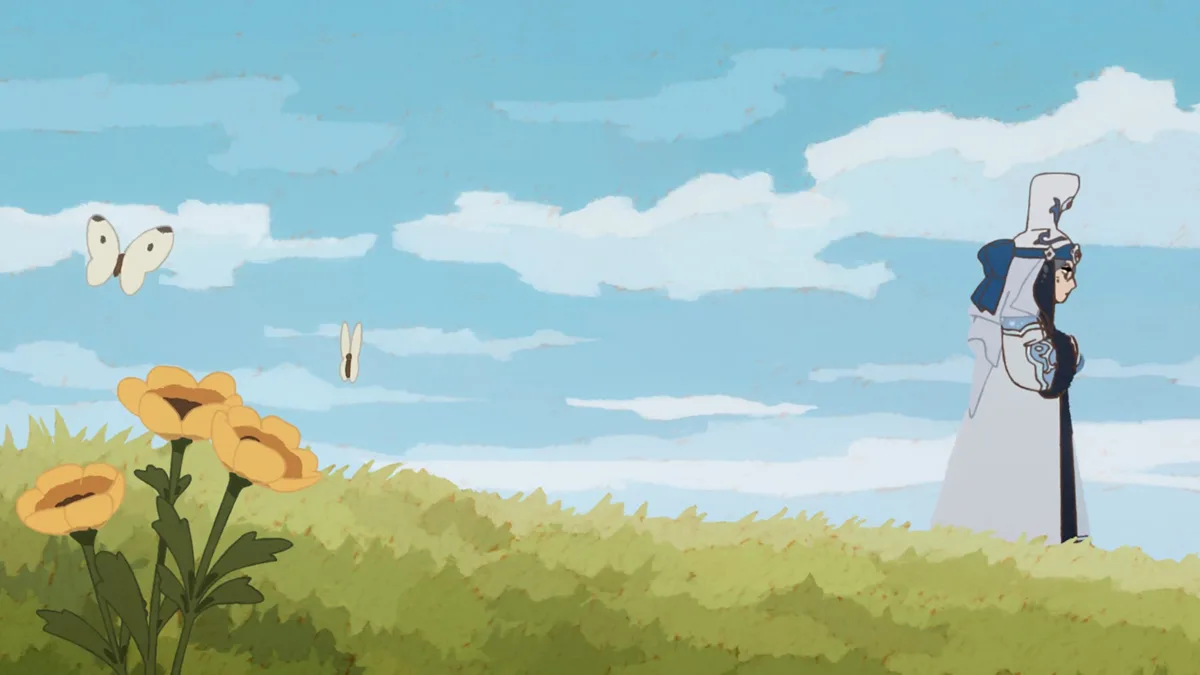
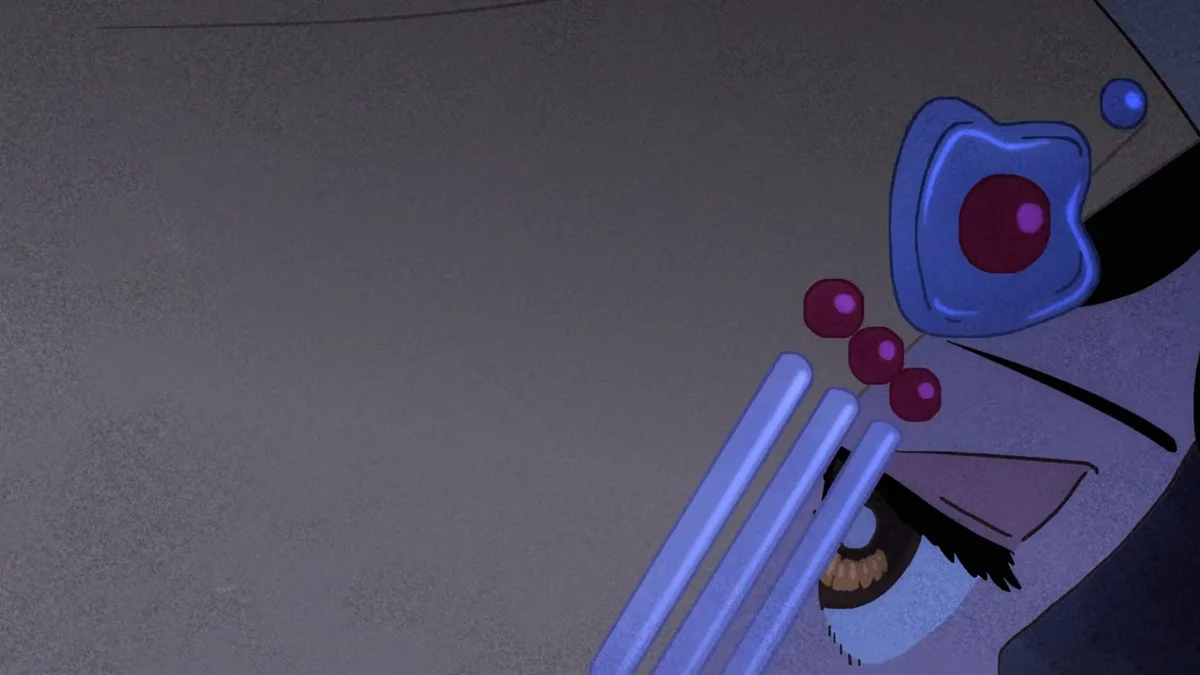
The finale culminated with director Ryousuke Nakamura returning to TV anime direction alongside storyboarder China and series writer Kanichi Katou. Through precise scene restructuring, dynamic layered compositions, and Dutch angles, the finale brought Sitara and Töregene’s turbulent pact to a powerful visual resolution. While creator Tomato Soup continues the manga following a recent hiatus, this concluding stretch cements the adaptation as a high watermark for deliberate historical animation.