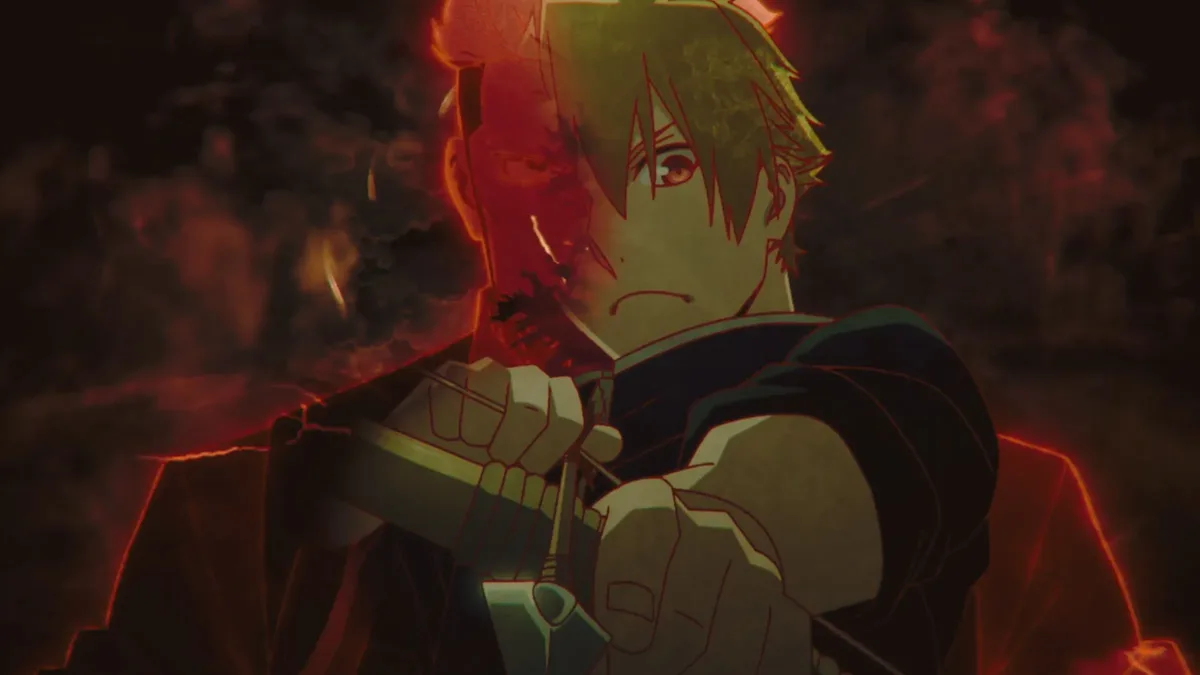
More than twenty years after Studio Bones first brought Hiromu Arakawa's masterpiece to television screens, the 2003 adaptation of Fullmetal Alchemist remains a fascinating anomaly in anime history. Because the series outpaced the ongoing manga serialization, director Seiji Mizushima and writer Shou Aikawa charted an entirely original narrative path, culminating in a bittersweet, dark conclusion that fundamentally diverged from the source material.
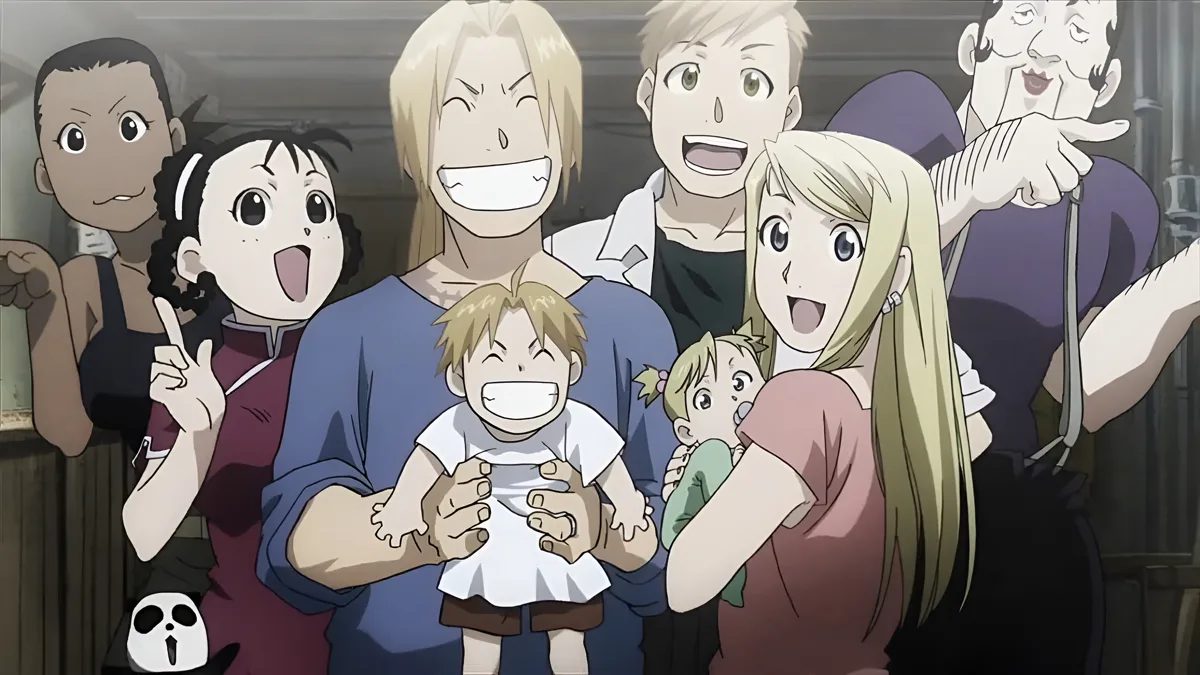
Unlike Fullmetal Alchemist: Brotherhood, which faithfully adapted Arakawa's definitive manga ending, the 2003 series embraced a melancholic tone. It explored complex themes of equivalent exchange through the lens of a parallel world, leaving Edward and Alphonse Elric separated across dimensions. While some viewers initially criticized the departure from the creator's intended arc, contemporary retrospectives frequently praise the original run for its atmospheric depth, philosophical ambition, and willingness to embrace tragedy.
The enduring debate among anime enthusiasts highlights a rare success story in adaptation history: an anime-original storyline that, despite its controversies, carved out an independent artistic identity. Two decades later, the willingness of Studio Bones to take massive creative risks continues to spark passionate discussions within the global fandom.