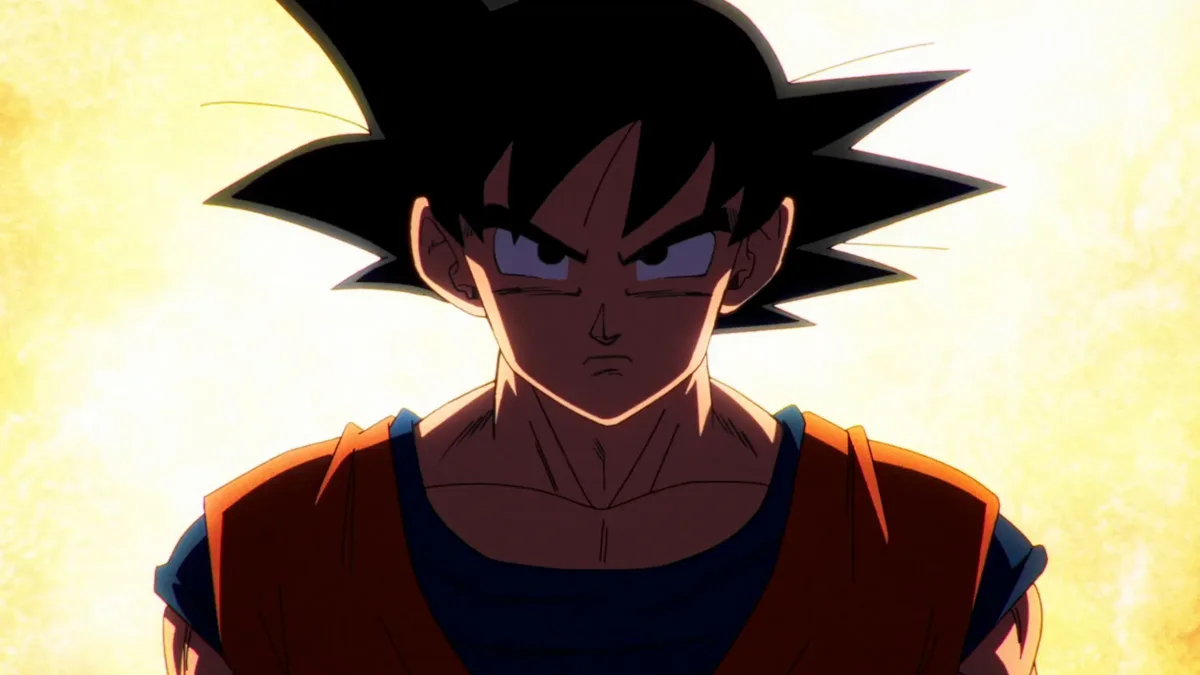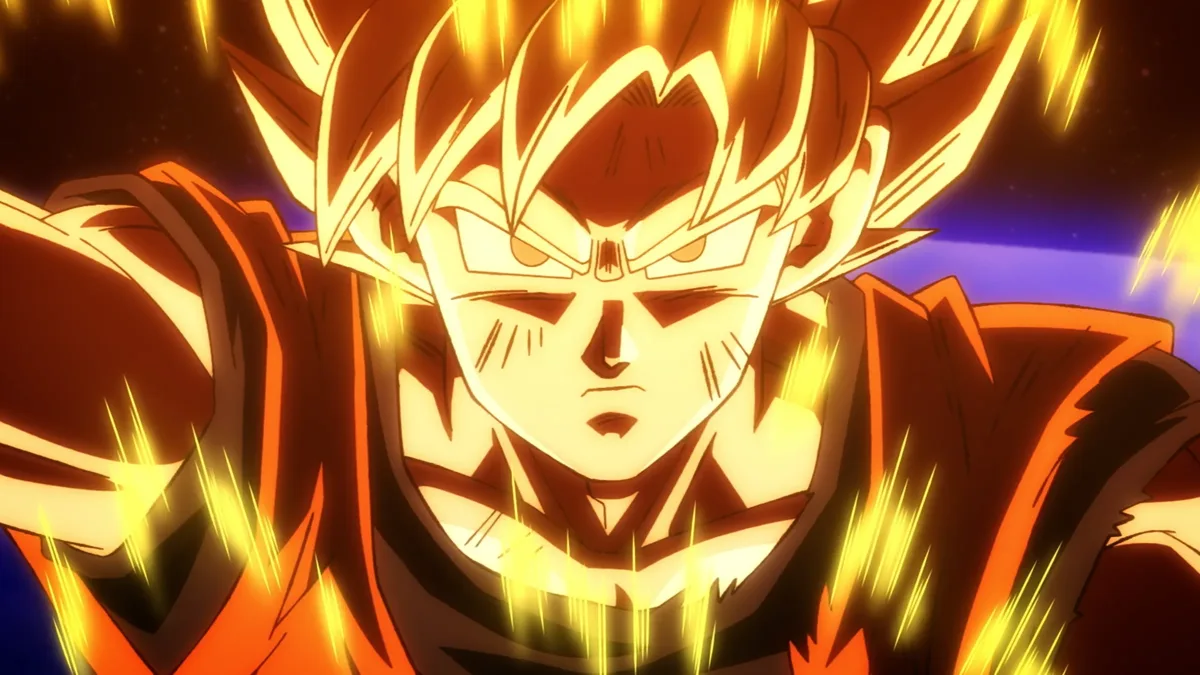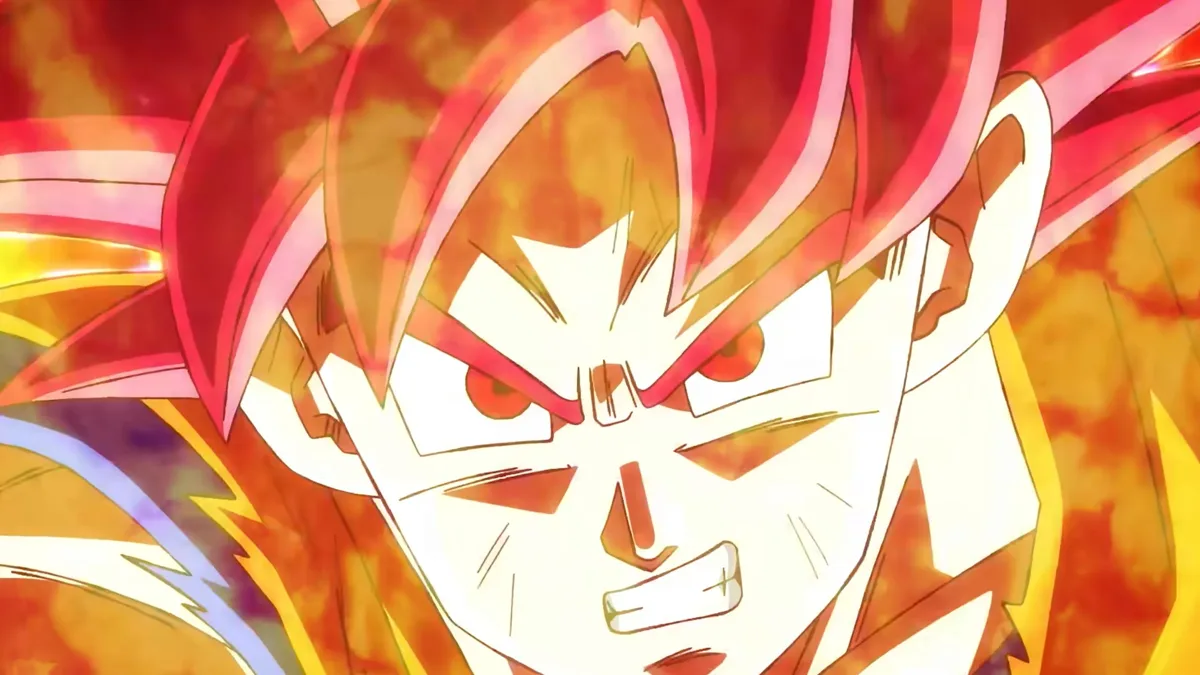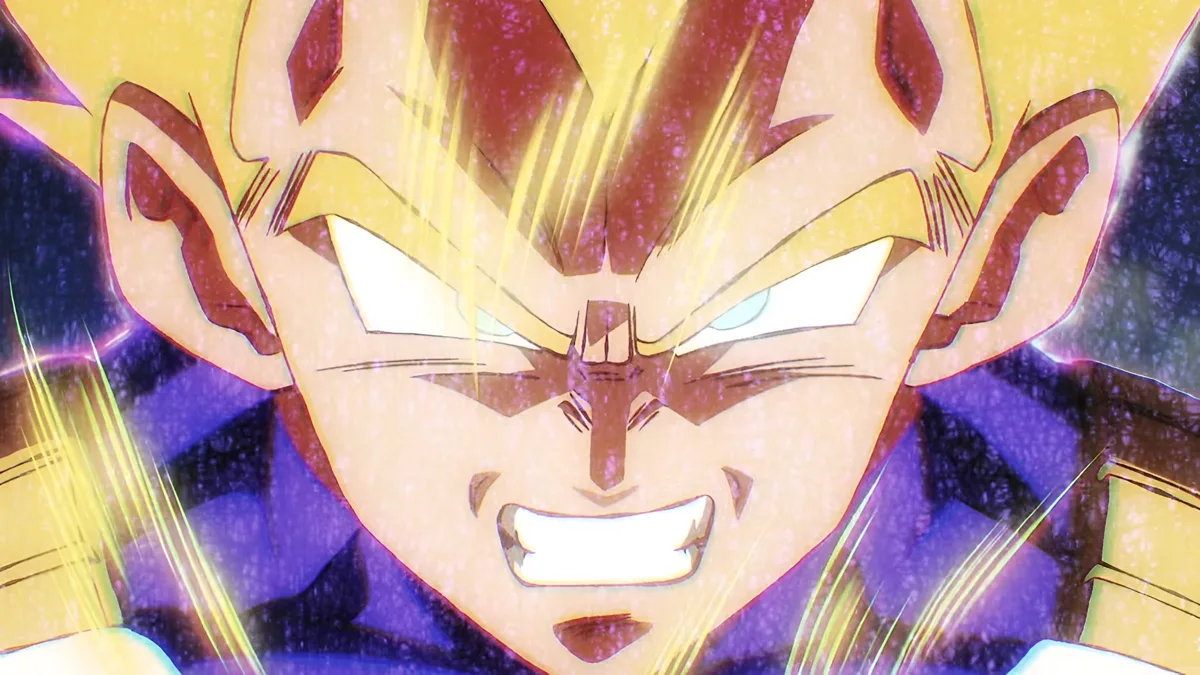
Ever since his dramatic debut in the 2013 feature film Dragon Ball Z: Battle of Gods, Lord Beerus has occupied a peculiar space within the narrative hierarchy of Dragon Ball Super. Conceived by late franchise creator Akira Toriyama and animated by Toei Animation, the feline God of Destruction was initially presented as an absolute ceiling—an untouchable cosmic force designed to humble Goku and expand the series' cosmological boundaries far beyond Universe 7.
The Shifting Power Ceiling
However, as Dragon Ball Super progressed through its broadcast run and continued into Toyotarou's ongoing manga adaptation, Beerus' strength underwent a perpetual retcon. Whenever mortal protagonists achieved groundbreaking transformations—from Super Saiyan Blue and Kaioken to Mastered Ultra Instinct and Vegeta's Destruction-fueled Ultra Ego—the narrative arbitrarily moved Beerus' goalposts higher. Rather than demonstrating tangible progression toward closing the gap, Beerus remains inexplicably superior, turning what should be a climactic benchmark into a moving target that deflates dramatic stakes.
For long-time fans analyzing the trajectory of the franchise, this narrative dynamic threatens to undercut upcoming major conflicts. As the manga prepares for its next major narrative phase, the anticipation surrounding a potential rematch or serious clash involving Universe 7's deity is hampered by years of ambiguous power scaling. If Dragon Ball Super intends to deliver a satisfying payoff for Beerus' eventual full-power fight, the series must establish concrete boundaries rather than treating Godly Ki as an endlessly expandable plot device.