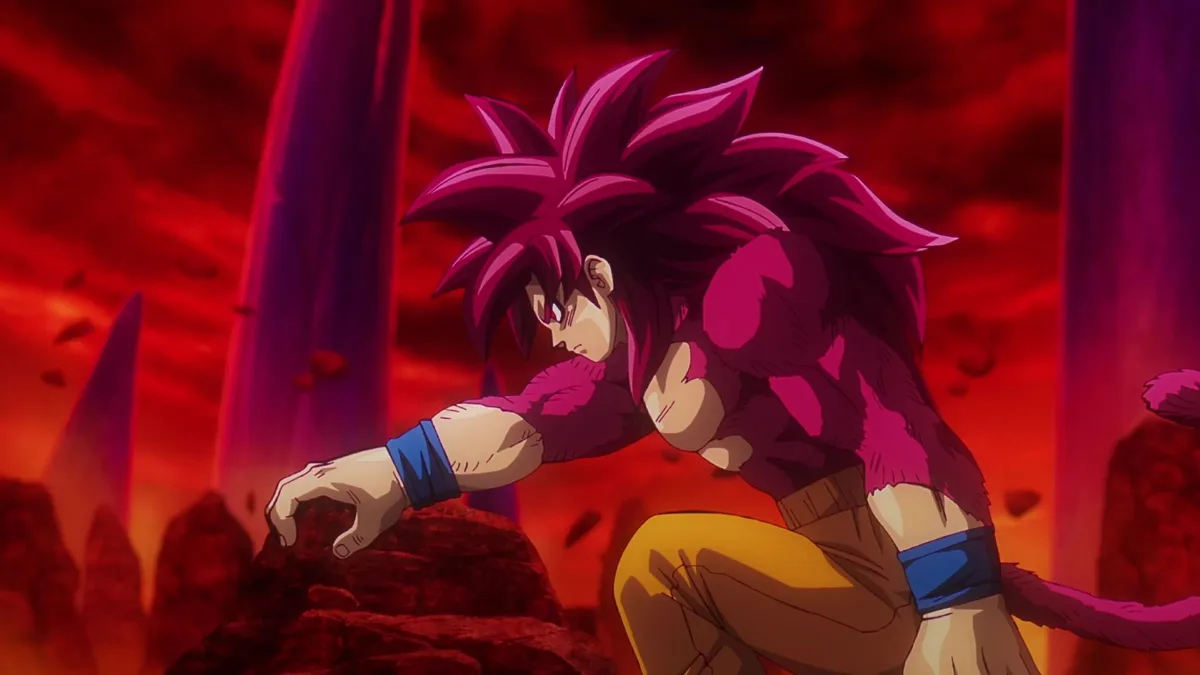
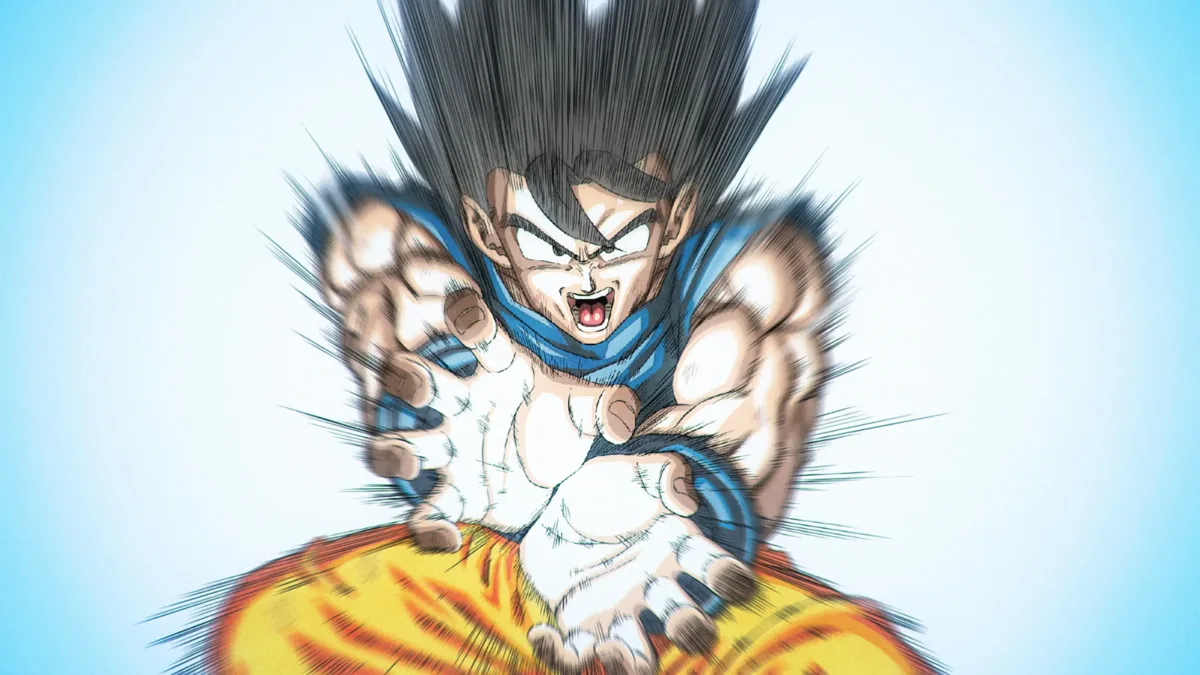
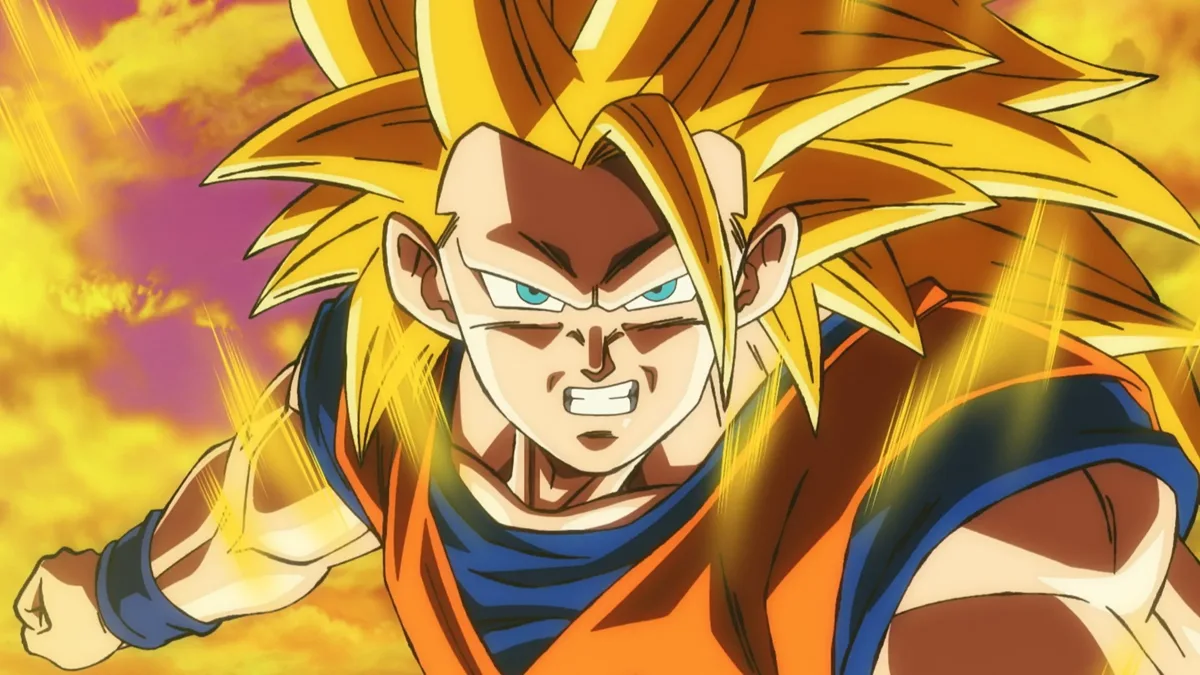
When Dragon Ball Super premiered in July 2015, anticipation for Akira Toriyama's return to weekly television reached unprecedented heights. That enthusiasm crashed into harsh reality during the initial God of Destruction Beerus arc, most notably in the infamous fifth episode. Rushed schedules, extreme subcontracting, and severe production bottlenecks resulted in awkward off-model drawings and stiff choreography as Super Saiyan 3 Goku traded blows with Lord Beerus on King Kai’s planet. The broadcast quickly became a symbol of modern television anime's most strained working environments.
A Turning Tide in Production
The turning point for the series emerged midway through the Future Trunks saga and solidified during the Universe Survival Arc. Veteran animators such as Naotoshi Shida, Naoki Tate, and supervisory animator Tadayoshi Yamamuro began reclaiming the kinetic weight characteristic of peak franchise entries. The frantic production cadence gave way to structured corrections for home video releases, but the definitive visual rehabilitation arrived through theatrical ventures like Dragon Ball Super: Broly and the recent creative focus behind Dragon Ball Daima.
More than a decade removed from that disastrous broadcast, the industry context behind the early failures of Dragon Ball Super provides crucial perspective on studio evolution. Toei Animation shifted significantly toward digital workflows and healthier pre-production lead times, ensuring that the visual legacy of Goku and Beerus is now defined by cinematic fluidity rather than rushed compromises.