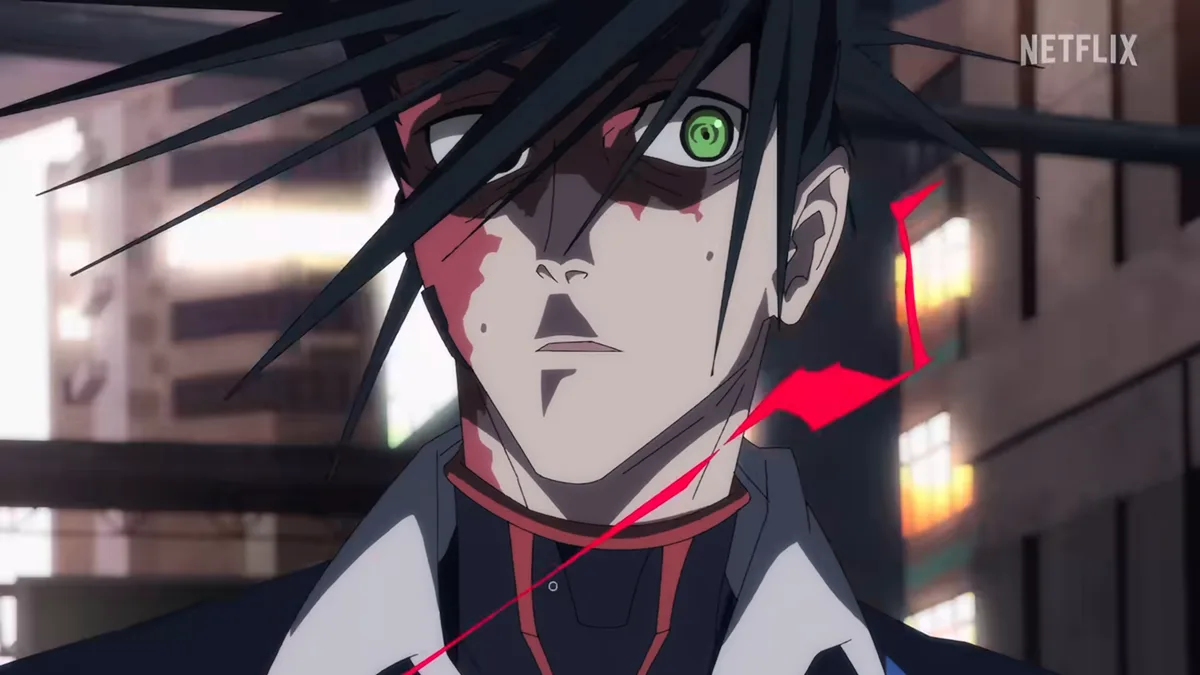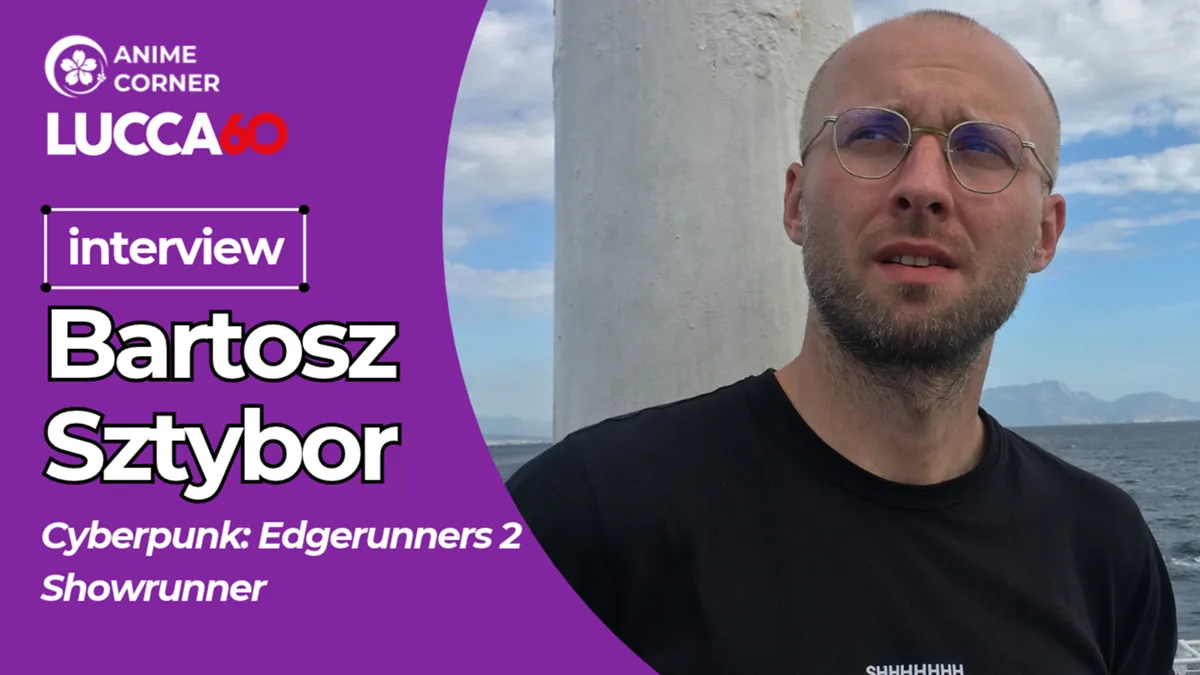
Following the CYBERPUNK: EDGERUNNERS panel at Lucca Comics & Games, we sat down with showrunner Bartosz Sztybor to talk even deeper about Season 2 and its connection to other elements of the franchise. We talked about the creation process with Studio TRIGGER, how he deals with Cyberpunk’s lore, and his insight into Roman, D, Capri, and other characters. Bartosz, who also writes the manga Cyberpunk: Edgerunners MADNESS with illustrator Asano, also commented on the connections between the different Cyberpunk media.
Just as in our previous Cyberpunk: Edgerunners Studio Trigger Interview: Showrunner Discusses Season 2 Potential and Future Franchise Plans, we had a great time talking with Sztybor about the reasoning behind his writing decisions. With his particular humor, he is always open to sharing his thoughts—even at the risk of spoilers.

Portions of this roundtable have been edited for clarity. Beware of CYBERPUNK: EDGERUNNERS Season 1 and 2 plot spoilers below.
Writing for Studio TRIGGER
Reflecting on the production pipeline, Sztybor highlighted how the collaborative relationship with Studio TRIGGER evolved between the first and second seasons. While the initial outing required bridging the gap between live-action sensibilities and anime grammar, the sophomore season benefited from years of close mutual alignment.
Sztybor traveled to Japan to refine the narrative structure scene by scene, ensuring that the thematic beats resonated properly across cultural frameworks. This meticulous dedication cemented the project's distinctive HBO-style narrative pacing within the medium of Japanese animation.
Legacy and Night City
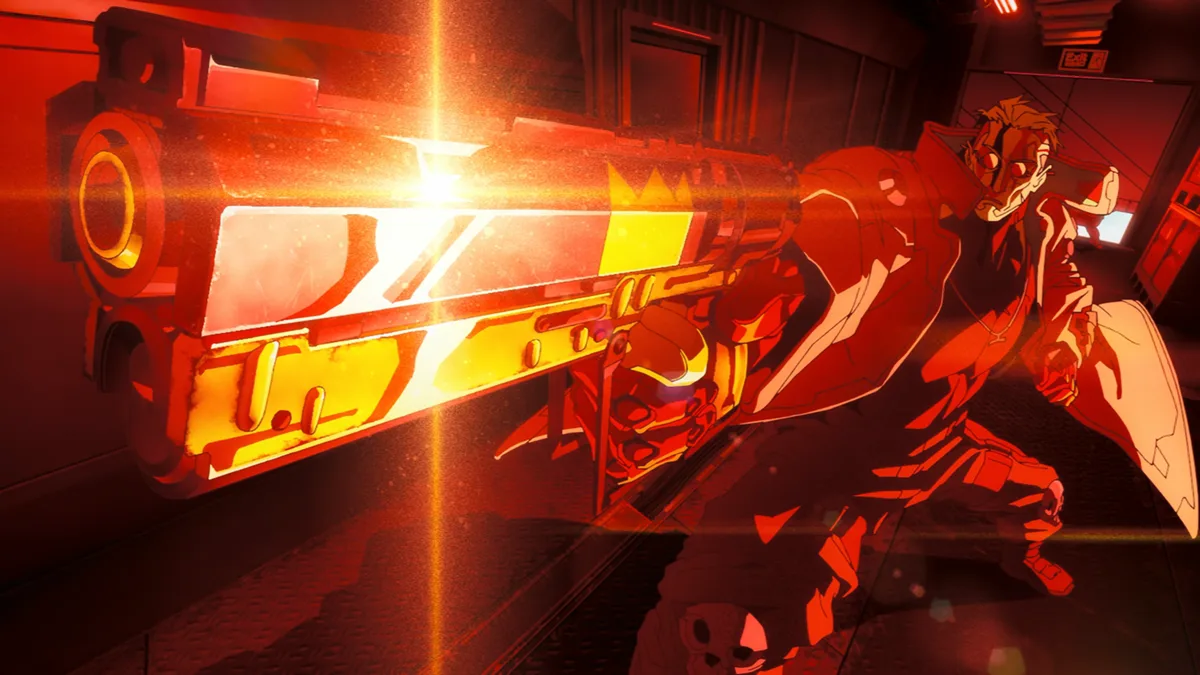
The conversation inevitably turned to the sprawling weight of legacy within Night City. Sztybor emphasized that every choice carries tangible ramifications, noting that David Martinez's actions continue to cast long shadows long after his demise, establishing the core moral grayness that defines the intellectual property.
As the series moves forward, expanding into manga and potentially future animation installments, the creative team remains committed to stand-alone self-sufficiency. Rather than relying on heavy fan service, these narratives construct a breathing ecosystem where eagle-eyed viewers can connect the dots across various media formats.
Character Dynamics and Personal Inspirations
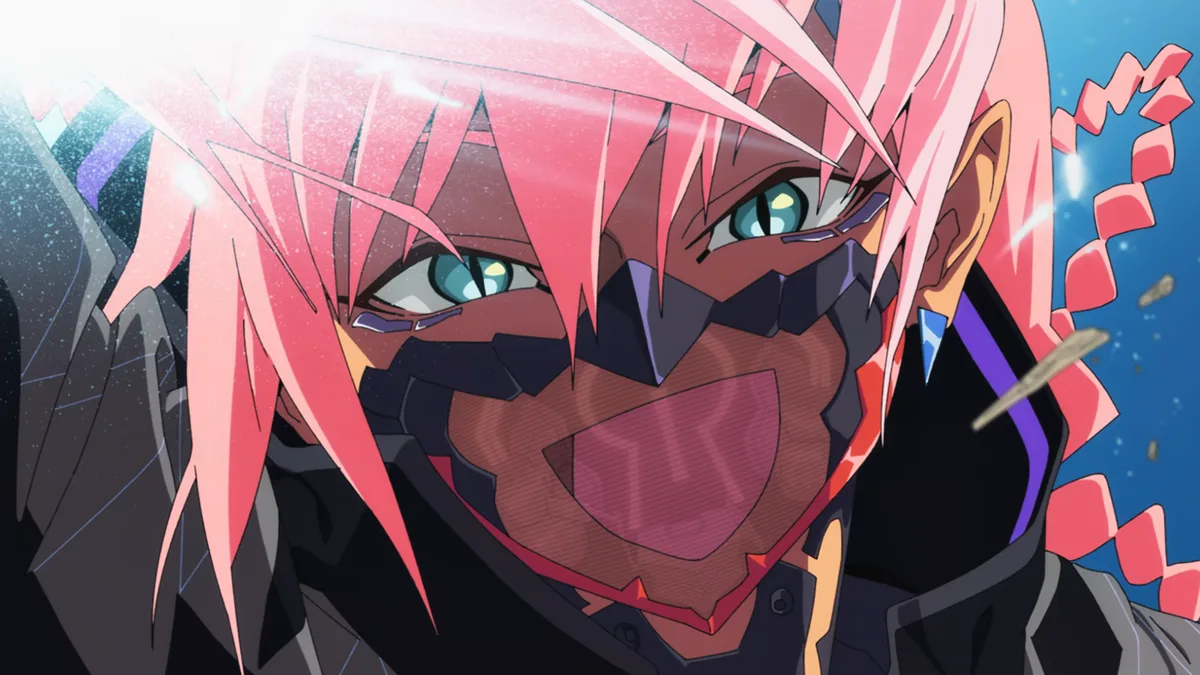
Delving into character development, Sztybor noted that Roman’s deep passion for cinema mirrors his own childhood experiences making amateur films in Warsaw. The discussion also touched on fan reception, with Sztybor expressing delight at the unexpected breakout popularity of characters like Omi.
About Lucca Comics & Games
Lucca Comics & Games is one of the biggest conventions in the world, taking place over five days in the historical center of the medieval Italian city of Lucca. The convention features a wide range of industries, including movies, series, video games, tabletop games, comics, anime, manga, cosplay, and their respective international guests.