It has been over two decades since Shinichirō Watanabe’s Cowboy Bebop redefined the medium, cementing its status as a timeless masterpiece of science fiction and animation. As the franchise celebrates its landmark 25th anniversary, director Shinichirō Watanabe has stepped back into the spotlight to share rare insights regarding the painstaking production of the upcoming 4K remastered version. While Watanabe's extensive career includes celebrated works such as Samurai Champloo, Kids on the Slope, and Space Dandy—alongside his more recent venture Lazarus—the gravity of his seminal space western remains unmatched in the hearts of global fans.
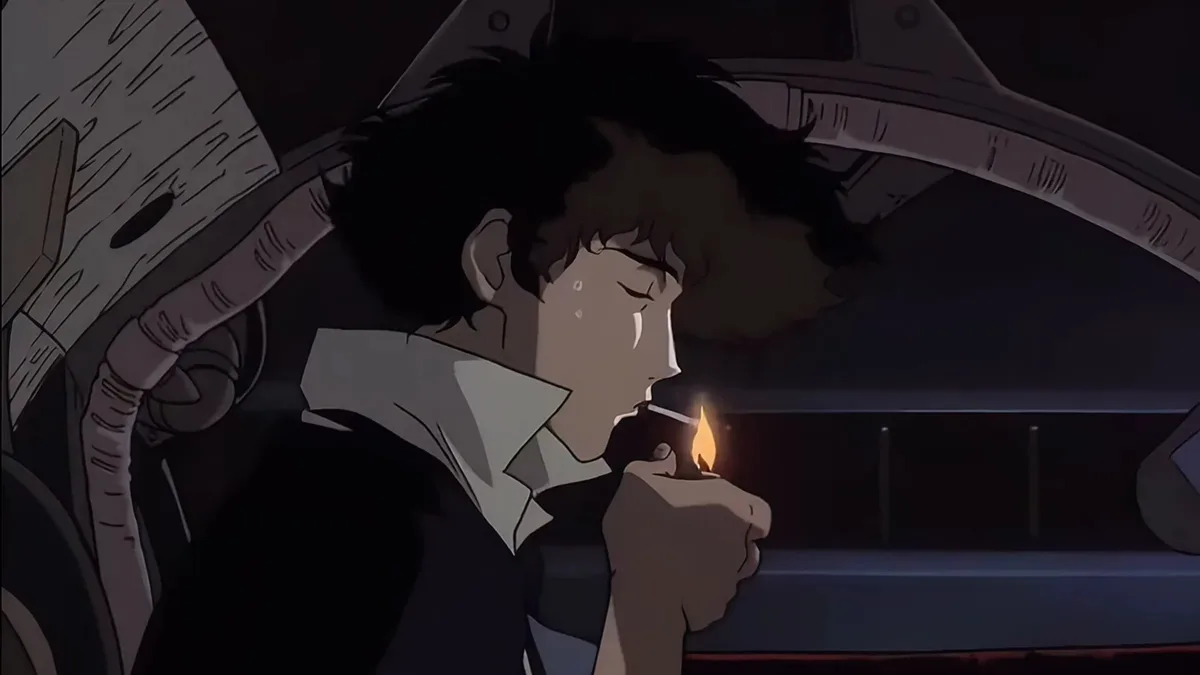
During a recent advanced screening in Japan, Watanabe and visionary composer Yoko Kanno gathered to discuss the unprecedented hurdles encountered while giving the classic aesthetic a modern visual overhaul. Transitioning analog-era cel animation into ultra-high-definition carries inherent risks, particularly when dealing with complex multi-plane compositions. The director explained that due to the heavy layering of cels in the original production, dust accumulation, shadows, and physical scratches posed a massive threat to the visual clarity of the remaster.
Cowboy Bebop Director Opens Up About the Biggest Challenge
Addressing the meticulous labor required to preserve the film's gritty 1990s texture without compromising modern clarity, Watanabe praised the dedication of the studio. Rather than relying on automated shortcuts, Bandai Namco Filmworks and their post-production teams spent months manually erasing imperfections frame by frame. Watanabe humorously recounted stepping back and telling the restoration team to erase everything while praising their monumental efforts to secure an immaculate visual finish.
Maintaining the distinctive grain and color palette of 90s animation is a delicate balancing act, as modern digital filtering often strips away the organic character of classic cel work. By opting for a thorough, manual cleanup process rather than artificial intelligence, the studio managed to retain the atmospheric weight that made the original theatrical outing so iconic among international enthusiasts.