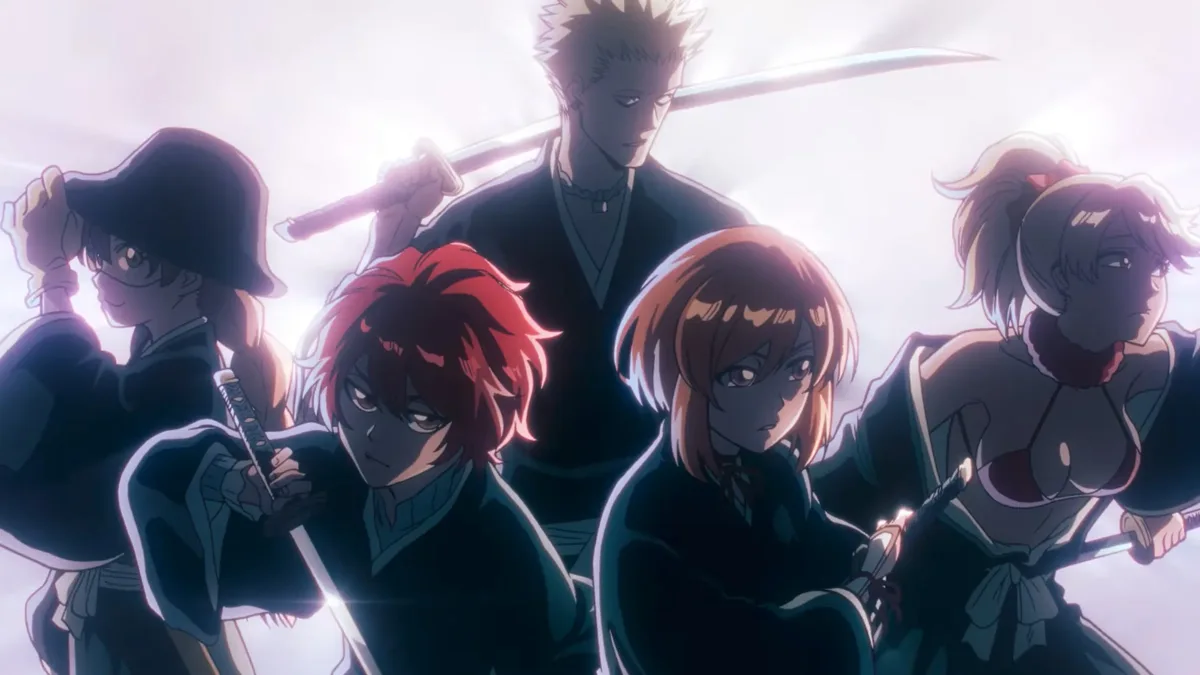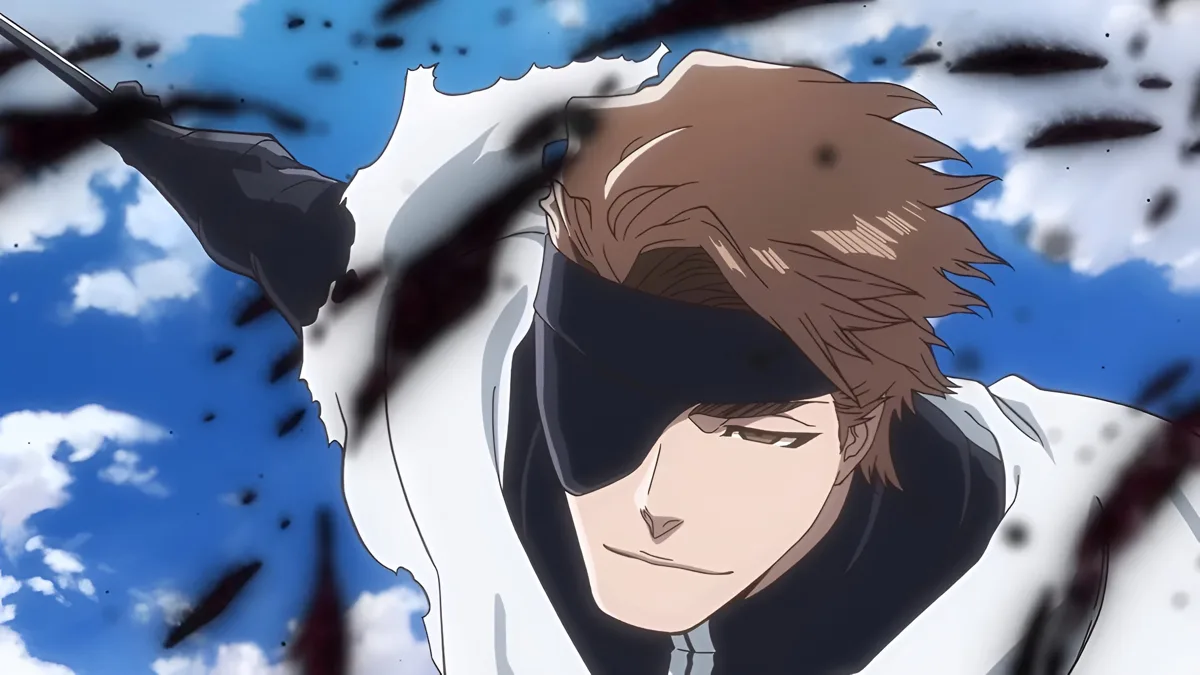
When Tite Kubo launched Bleach in the pages of Weekly Shonen Jump, it fundamentally altered the DNA of modern action manga. Alongside contemporaries like Naruto and One Piece, Kubo's sleek character designs, urban supernatural aesthetic, and atmospheric battles created an entire subgenre of supernatural shonen. Years after the conclusion of the Soul Reaper saga and the ongoing triumph of the Bleach: Thousand-Year Blood War anime adaptation, the author has finally shared his perspective on how his work shaped today's massive hits.
Reflecting on the industry landscape, Tite Kubo addressed his legacy and the ways younger mangaka—particularly the creative forces behind modern juggernauts like Demon Slayer: Kimetsu no Yaiba and Jujutsu Kaisen—drew inspiration from his foundational work. The distinct choreography of supernatural swordplay, complex power systems, and morally grey adversaries that defined the adventures of Ichigo Kurosaki left an indelible mark on creators who grew up reading Shonen Jump during the 2000s.
While the broader shonen manga industry continues to evolve through new seasonal formats and digital-first serialization platforms, the enduring cultural footprint of Bleach remains undeniable. As Studio Pierrot prepares further instalments of the Thousand-Year Blood War arc, Kubo's reflections highlight the cyclical nature of creative inspiration within modern manga history, cementing his status as one of the definitive architects of contemporary comic art.