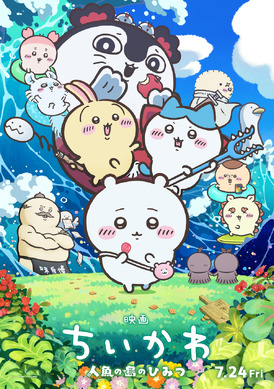
Following the massive box office success of the animated film Chiikawa: Secrets of the Mermaid Island, which crossed the milestone 10 billion yen mark, public attention has naturally turned toward the inevitable future of the franchise on screen. Amidst a sea of fan theories and discussions regarding a potential sequel, one particular storyline dominates community conversations: the enigmatic and chaotic trajectory surrounding the fan-favorite character Momonga.
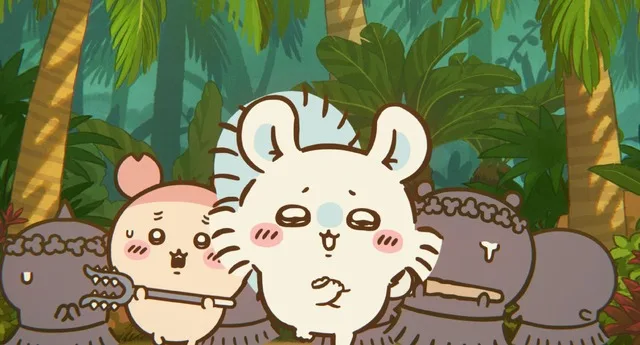
The Outsider
Momonga’s behavior in the recent feature film delivered a sharp contrast to the cooperative, mutual-aid community cultivated by Chiikawa, Hachiware, and Usagi. While the main trio navigates peril through solidarity, Momonga repeatedly prioritizes personal appetite and individual gain, frequently disrupting group efforts with blatant disregard for surrounding safety. This inherent incompatibility with conventional community ethics has sparked intense debate among viewers, highlighting an unsettling independence that separates Momonga from standard narrative roles.
The Body Swap Theory
The intense appetite for a focused Momonga narrative stems from deep-rooted lore and long-standing community analysis regarding the character's origins. A prevailing theory posits that Momonga’s current physical form and personality are the result of a supernatural body swap with a large, monstrous entity colloquially referred to as dekatsuyo. Hints scattered throughout Nagano's original manga—such as Momonga's initial self-congratulatory reactions and the desperate pleas of the monstrous creature left behind—suggest a stolen identity. If a witch or magical intervention truly altered their anatomy, it casts a stark light on Momonga’s obsession with perceived cuteness and total lack of empathy.
Manga Momentum
Speculation reached a fever pitch following a sequential seven-chapter manga run centered entirely on Momonga published via creator Nagano's official X account. Although the narrative subsequently returned to the customary lighthearted daily routines of the main cast, the dense pacing, subtle panel compositions, and haunting terminology dropped during the sequence left a distinct impression of impending upheaval. Whether the fundamental mystery of the physical exchange will ever reach a definitive resolution remains one of the most compelling narrative hooks in modern slice-of-life storytelling.

Future Horizons
The lingering ambiguities of the latest theatrical outing combined with Momonga's deeply complicated relationship with the Bookstore character point toward unresolved friction that demands narrative payoff. If the enduring appeal of the franchise relies on the precarious balance between innocent charm and underlying unease, confronting Momonga's dark background head-on offers an ideal focal point for the next chapter of Chiikawa's theatrical and literary evolution.