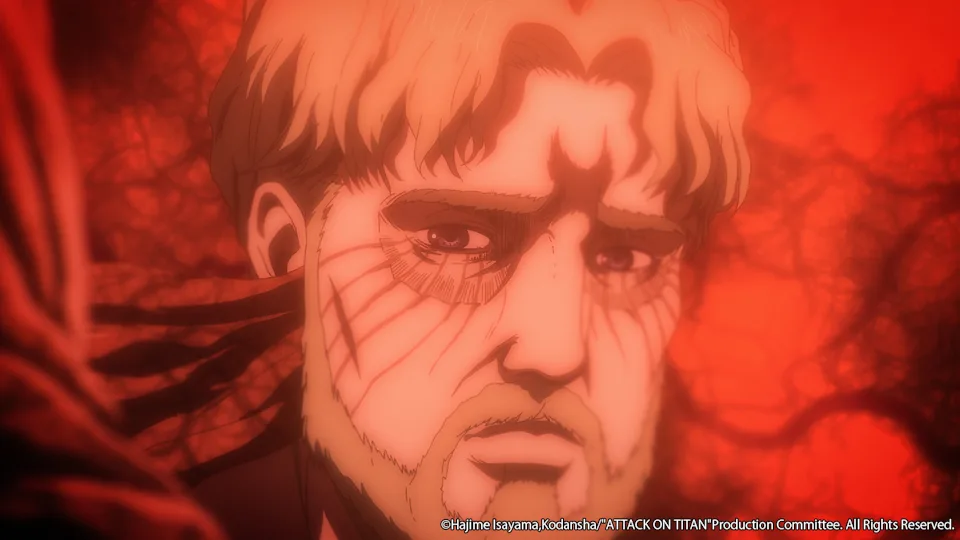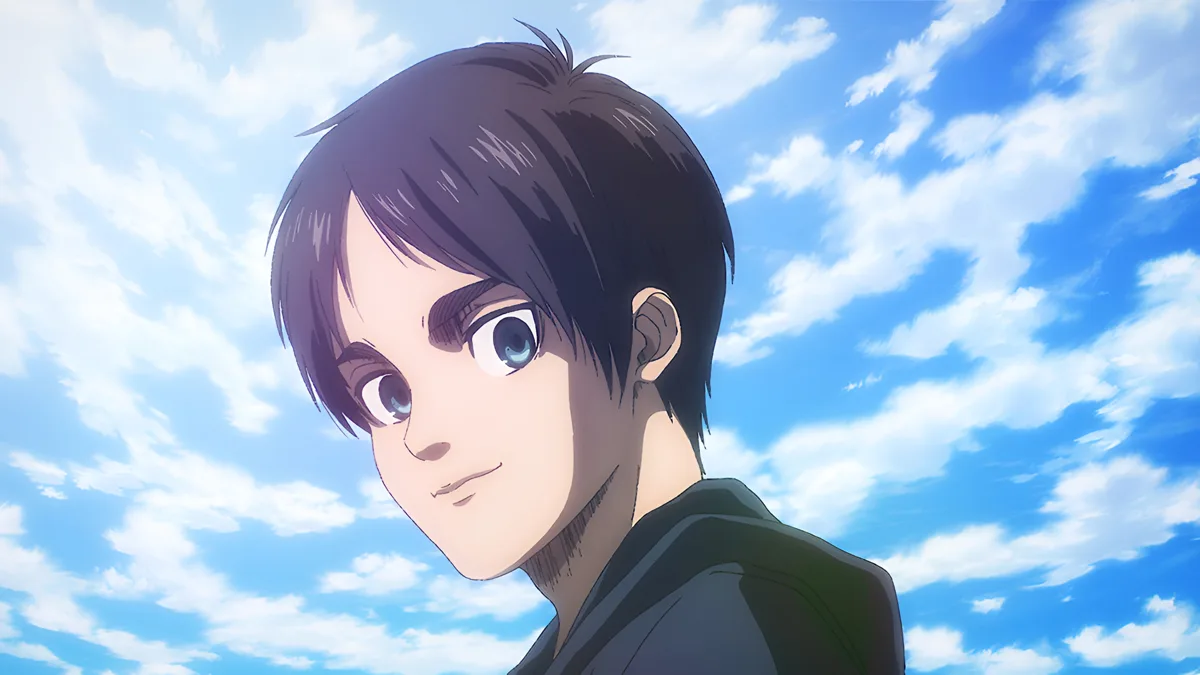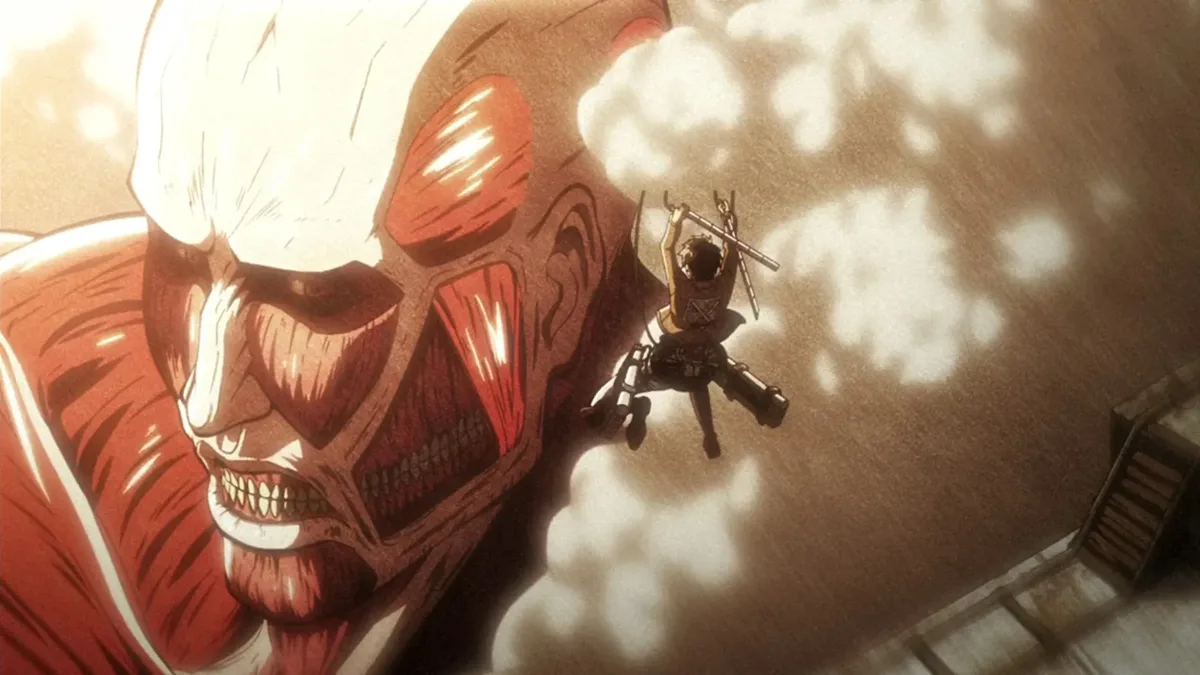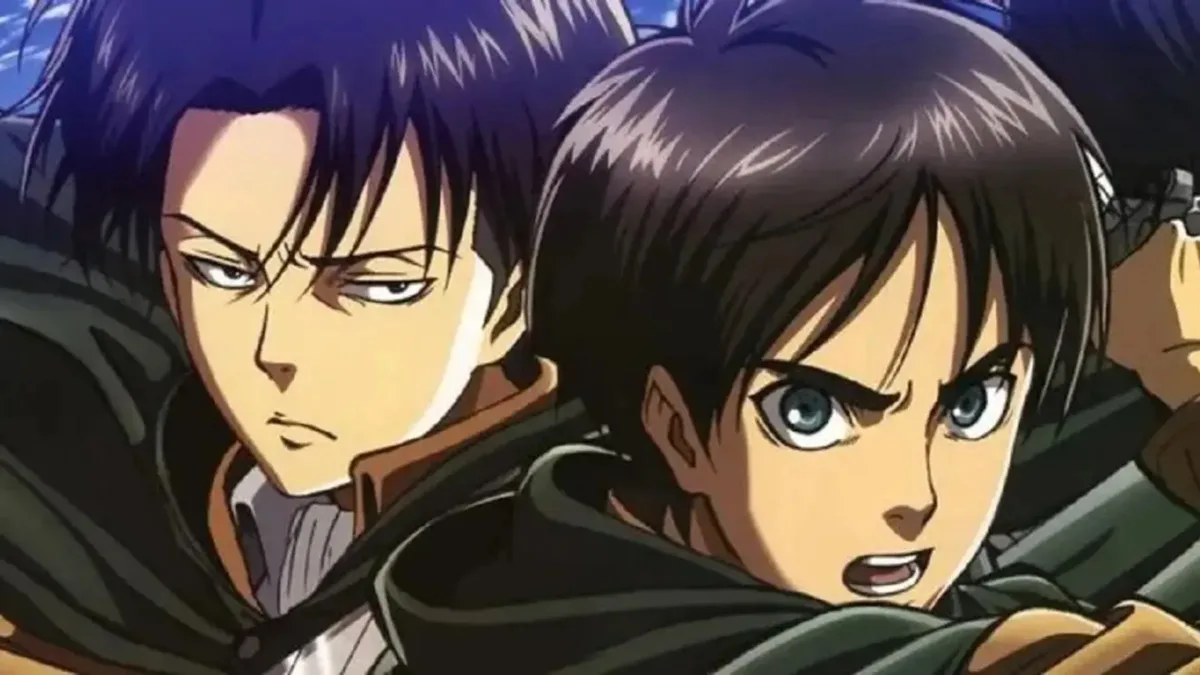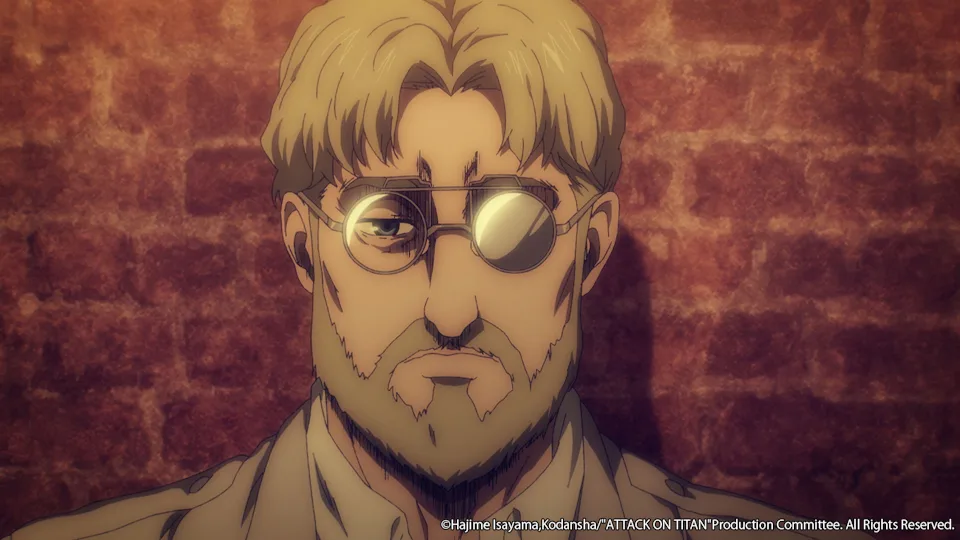
When Zeke Jaeger makes his presence felt in Hajime Isayama's narrative, the ambient tension inside the walls reaches critical mass. Attack on Titan (Shingeki no Kyojin) initially framed humanity's struggle as a straightforward battle for survival against colossal, mindless monstrosities. However, the introduction of the Beast Titan completely shatters that baseline understanding, introducing an unsettling intelligence that orchestrates chaos with calculating precision.
As the narrative peels back its mythology, Zeke emerges not merely as a formidable antagonist, but as the primary catalyst who accelerates the political and ideological conflicts of Eldia and Marley. His presence fundamentally alters how viewers perceive the origins of the Titans, transforming the story into an intricate study of inherited trauma and existential warfare.
The Dual Identity of Zeke Jaeger
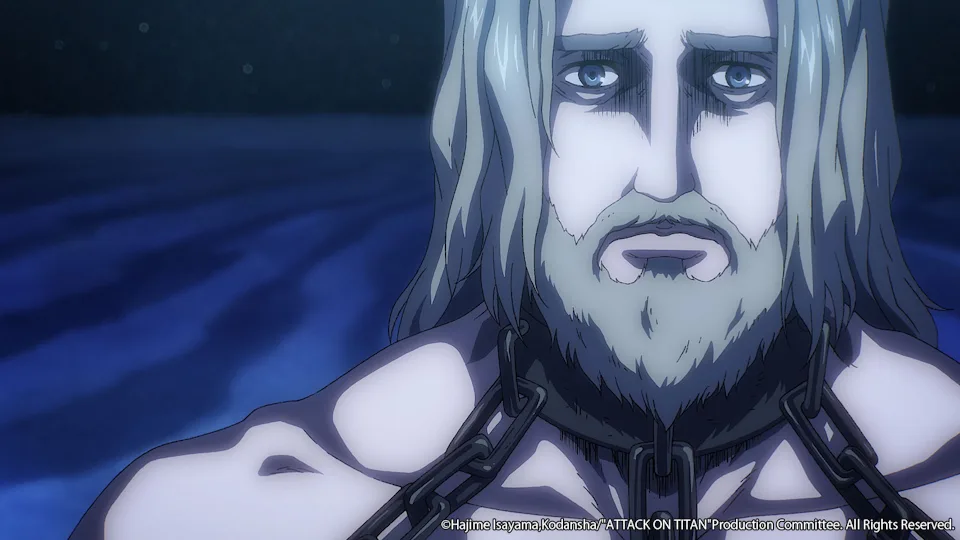
First introduced in Season 2 as the terrifying Beast Titan, Zeke immediately sets himself apart from ordinary Titan threats through his ability to articulate thought and command lesser Titans. By Season 3, his identity as an Eldian Warrior serving Marley—and his revelation as Eren Jaeger's half-brother—recontextualizes the personal stakes at the heart of the series. Raised by Grisha Jaeger and Dina Fritz as an instrument for Eldian restoration, his childhood was defined by ideological burden rather than parental warmth.
This upbringing led to a pivotal betrayal of his biological parents and his subsequent alignment with Tom Ksaver, the previous holder of the Beast Titan. Ksaver provided the paternal guidance Zeke craved, while simultaneously instilling a radical philosophical outlook. Rather than viewing conquest as his goal, Zeke framed his actions around a somber objective: the total cessation of Eldian reproduction to permanently eradicate generational suffering.
Tactical Genius and Titan Capabilities
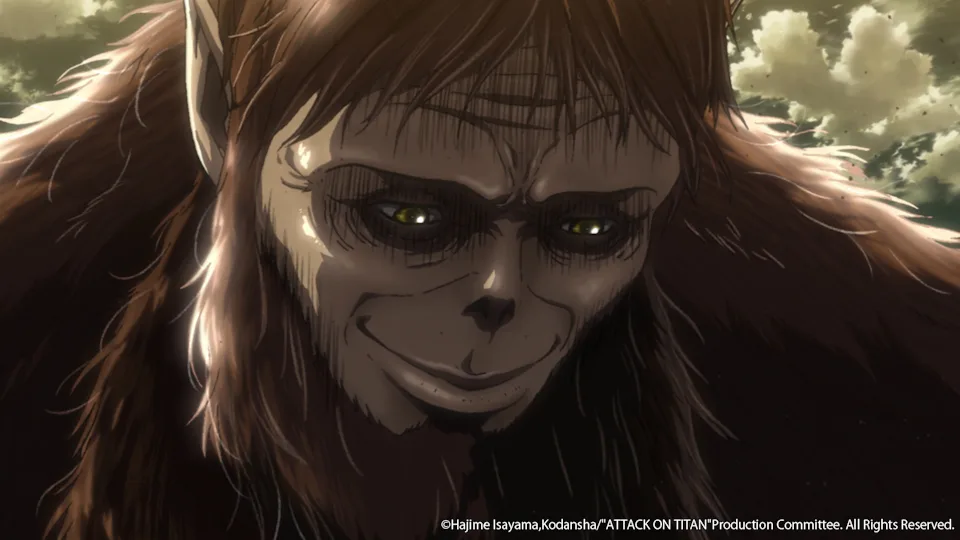
Beyond standard Titan attributes like muscular strength and rapid regeneration, Zeke optimizes his form through specialized skill sets. His signature tactical maneuver—throwing crushed boulders across massive distances like artillery shells—stems directly from childhood games of catch with Ksaver. During the Battle of Shiganshina, this long-range strategy proved fatal for the Survey Corps, establishing him as one of the most deadly strategists in the franchise.
Furthermore, his royal lineage grants him unprecedented authority over those who consume his spinal fluid. By triggering transformations via vocal commands, he effectively transforms entire populations into disposable military units. This lethal combination of inherited royal blood and honed physical mechanics makes him an extraordinary threat throughout the campaign for Paradis.
Ideological Rift and Final Reckoning
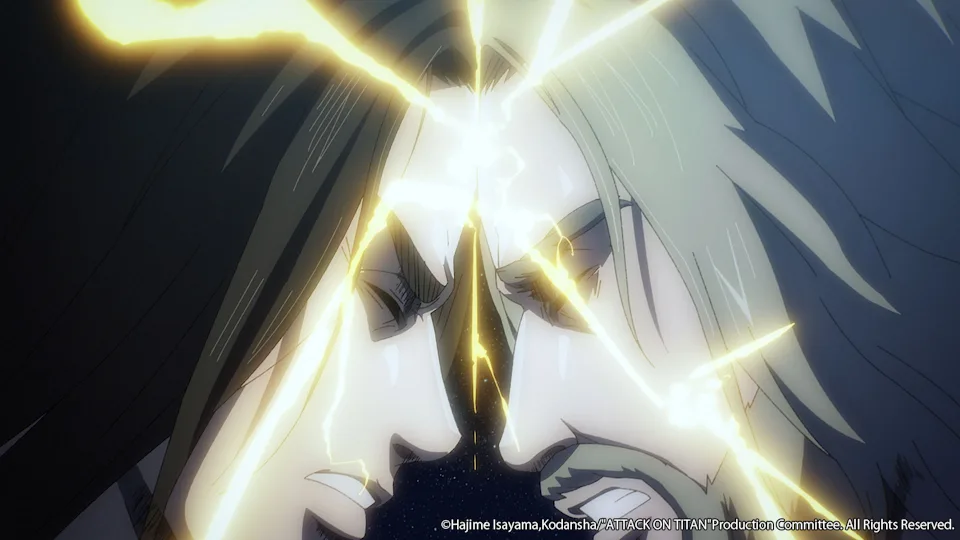
The ideological clash between Zeke and Eren forms the core emotional anchor of the final arcs. While Zeke seeks mercy through passive eradication via his Euthanasia Plan, Eren demands active resistance and total freedom. Their uneasy alliance culminates in the otherworldly realm of the Paths, where the full extent of Grisha's past and Eren's true intentions are laid bare.
Zeke's ruthless methodology—evidenced by his secret contamination of Paradis' military wine supply—demonstrates how far he was willing to go to achieve his vision of peace. Yet, despite his devastating choices, his final moments during the climax offer a quiet reflection on the value of simple, transient human connection.