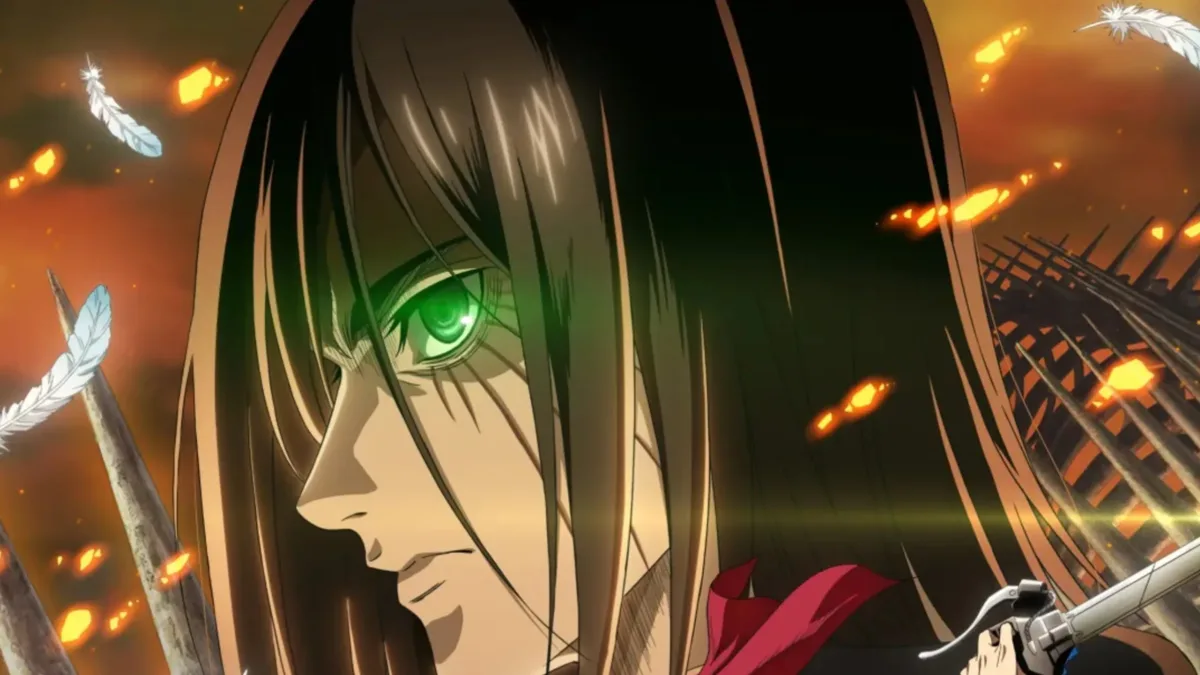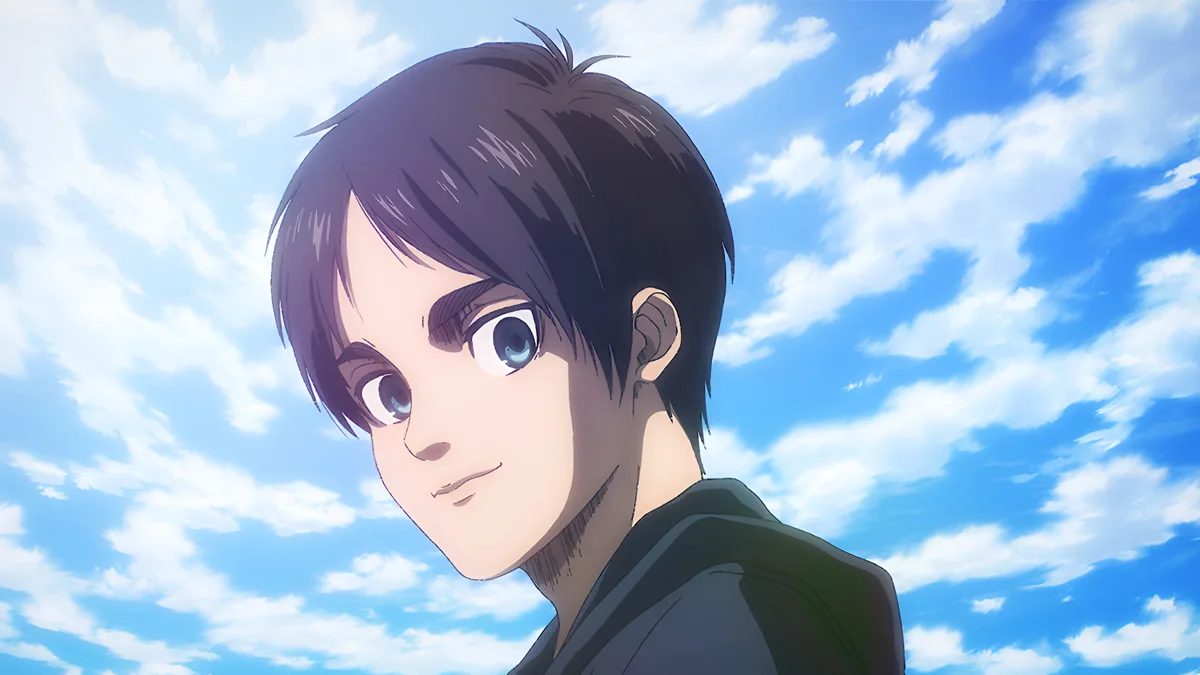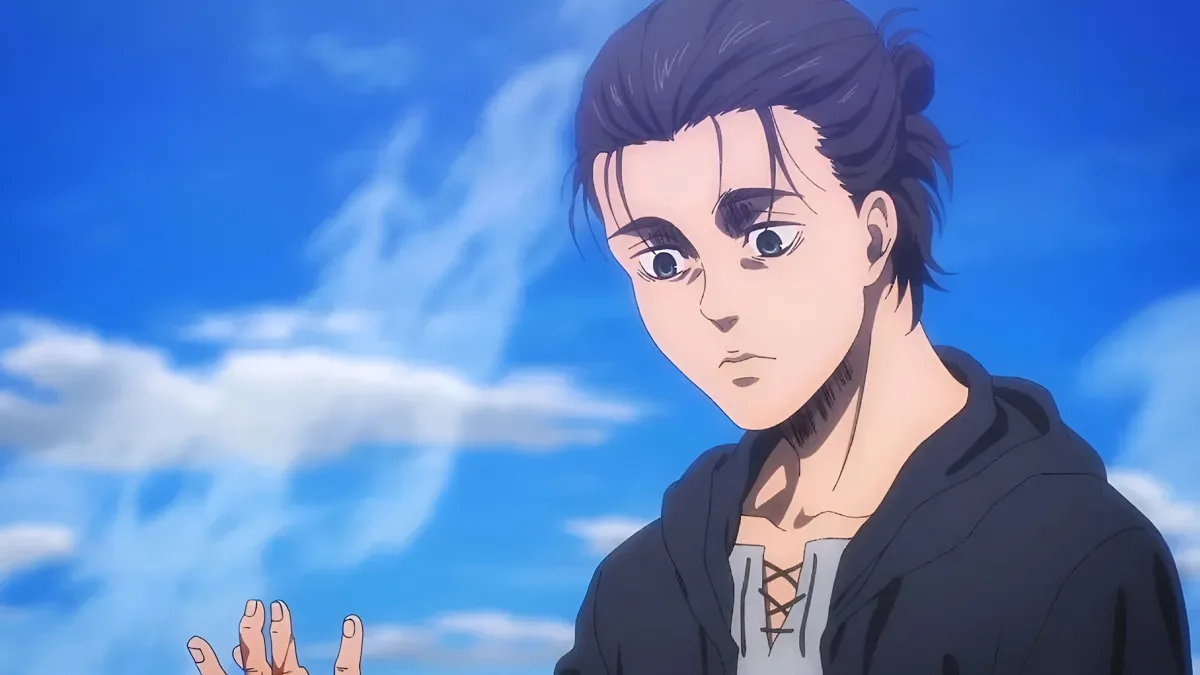
Few behind-the-scenes transitions in modern anime history match the scale and cultural weight of Attack on Titan (Shingeki no Kyojin) moving from WIT Studio to MAPPA. As the epic dark fantasy adaptation reached its climax, the staggering shift in production pipelines became a major talking point for global audiences. Now, years after the baton was passed, key creative voices are opening up about the monumental effort required to steer Hajime Isayama’s landmark manga across the finish line.
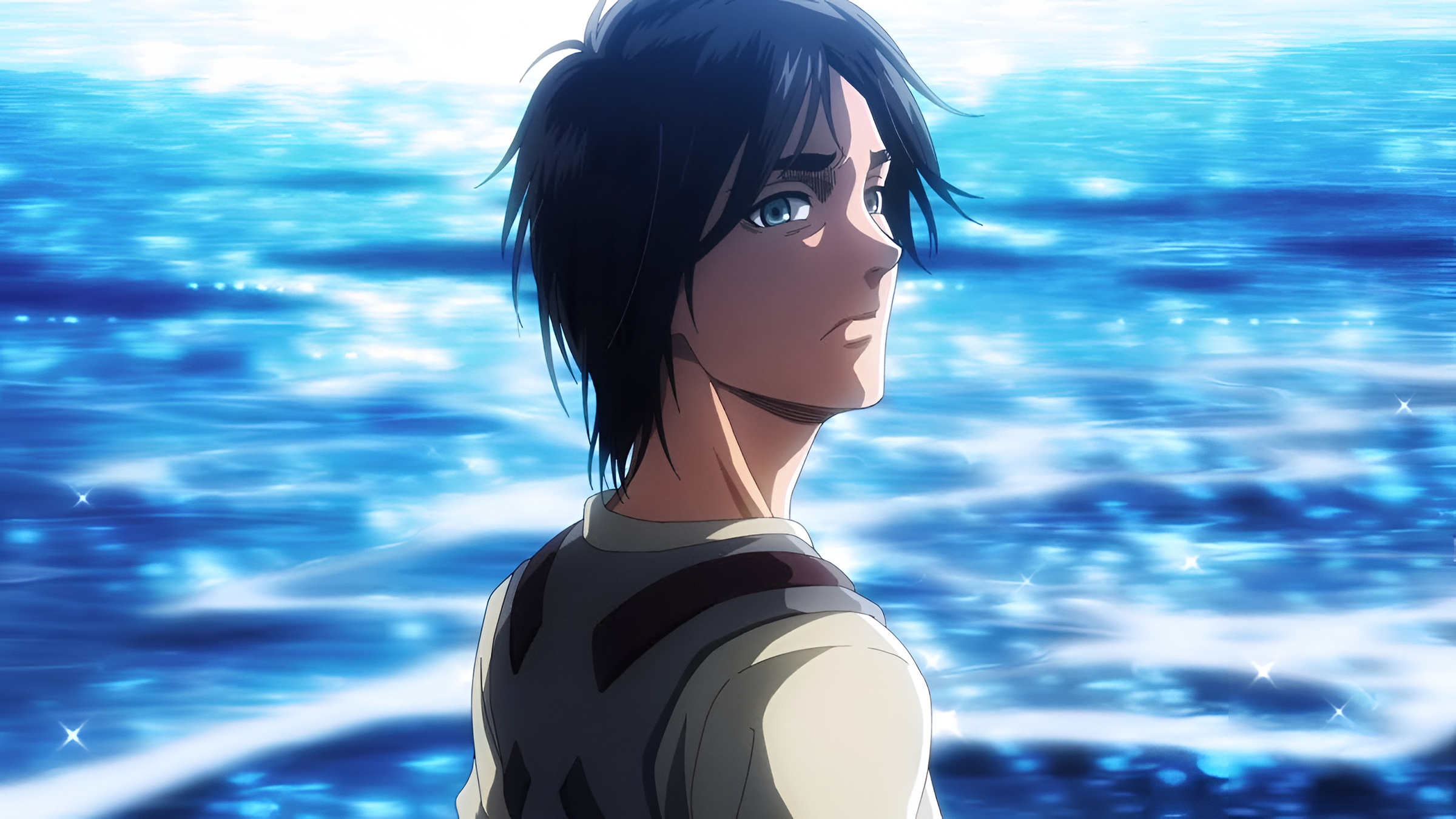
WIT Studio laid the foundation for the anime phenomenon, defining the visual identity, kinetic 3D maneuver gear sequences, and atmospheric tension across the first three seasons. When the production moved to MAPPA for the final seasons, animators faced immense pressure to maintain visual fidelity while navigating a demanding schedule. Industry veterans have continually reflected on the sheer dedication needed by artists working under such tight industry constraints to complete Eren Yeager’s apocalyptic saga.
The transition ultimately reshaped how anime fans view multi-studio handoffs for long-running television properties. While the early seasons remain celebrated for their distinct cinematic grandeur, MAPPA’s gritty, visceral approach successfully carried the narrative weight of the Rumbling arc. These retrospective insights offer a rare, candid look into the intense realities of modern animation production and the enduring legacy of one of the 21st century's most influential anime titles.